1230 Columbia St. Suite 870 San Diego, CA 92101

By Coastal Dental Arts | September 14, 2026
Compare dental implants and crowns to help San Diego patients choose the best way to address a missing tooth, including bone health, candidacy, longevity, and what each treatment involves.
A missing tooth is more than a cosmetic concern. It can affect how you chew, how you speak, and even the shape of your jaw over time. If you are researching ways to replace a missing tooth, you have probably heard the term dental implant come up again and again. But you may also be wondering how an implant differs from a crown, and whether a crown alone could solve your problem instead. Understanding the difference between these two treatments will help you make a confident, informed decision.
At Coastal Dental Arts, our San Diego patients ask us this question all the time. So let us break down what each option is, how they differ, and how to choose the one that fits your situation.
What Is a Dental Implant and What Is a Crown? A Quick Breakdown
Before comparing these treatments, it helps to understand what each one actually does and which problem it is designed to solve.
What Is a Dental Implant
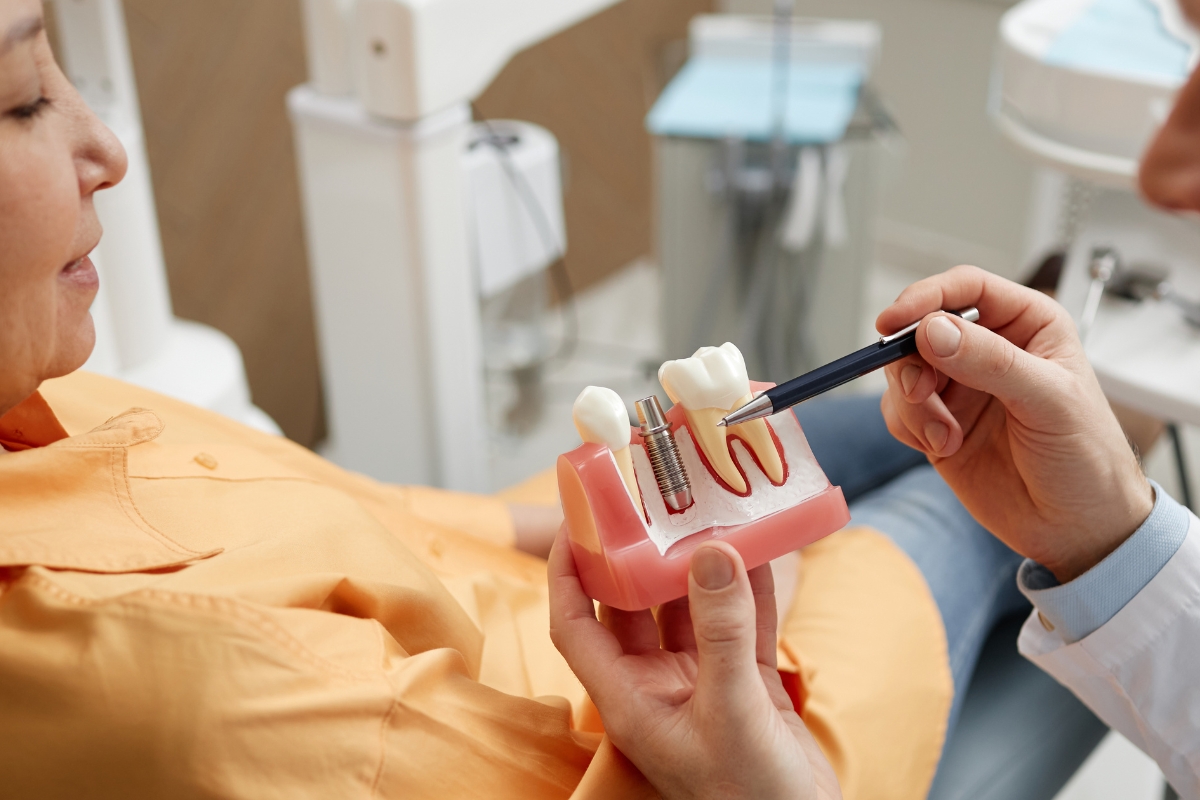
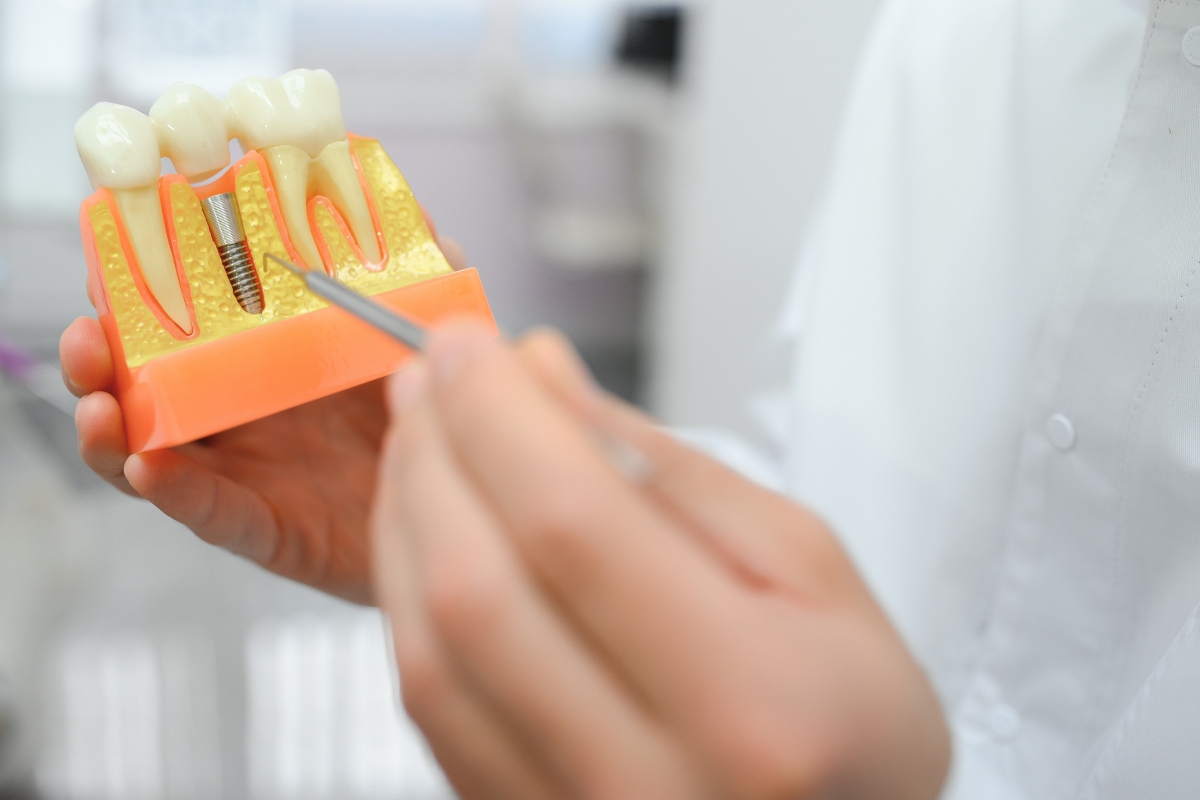
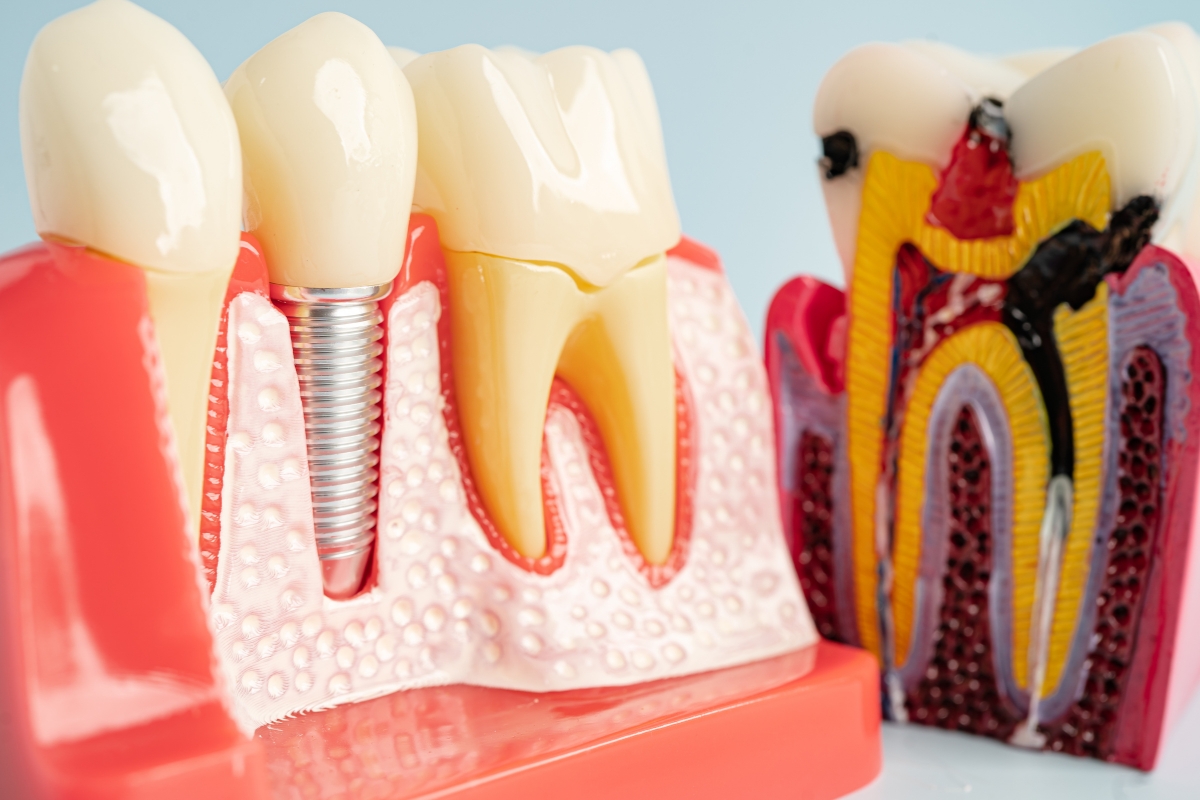
A dental implant is a titanium post that is surgically placed into the jawbone, acting as an artificial tooth root. Once it fuses with the bone through a process called osseointegration, a custom crown is attached on top. Implants are a complete tooth replacement system, root included, which is why they are widely considered the closest thing to a natural tooth. You can read more about how this process works in dental implants: how your dentist restores missing teeth.
What Is a Dental Crown
A crown is a cap that covers a single damaged or weakened tooth that is still present in the mouth. Crowns restore strength, shape, and appearance to teeth affected by decay, cracking, or a root canal. On its own, a crown cannot replace a tooth that has already been lost, since there is no remaining tooth structure underneath to support it. Crowns only enter the tooth replacement conversation when they are attached to the top of a dental implant.
Dental Implant vs. Crown: Key Differences
Here is how these two treatments compare, and why the right choice depends on whether your tooth is missing or simply damaged.
Purpose: An implant replaces a tooth that is completely gone, root and all. A crown restores a tooth that is still in place but structurally compromised.
Longevity: Implants typically last twenty years or longer, often a lifetime with proper care. Crowns on natural teeth generally last ten to fifteen years, depending on material and bite forces.
Bone health: Implants stimulate the jawbone every time you chew, which helps prevent the bone loss that naturally follows tooth loss. A crown placed on a natural tooth does not offer this benefit, since there is no post placed below the gum line.
Procedure involved: Implants require a surgical placement and a healing period before the final crown is attached. A standalone crown is a much simpler procedure, often completed in one or two visits with no surgery required.
Best for: An implant suits patients who are missing a tooth entirely and want a long-term, independent solution. A crown suits patients whose tooth is still present but needs structural reinforcement or a cosmetic refresh.
Are You a Candidate? What to Consider Before Choosing
Not every patient is automatically a candidate for an implant. Bone density, gum health, and how long a tooth has been missing all play a role in whether an implant is the right fit. If you are curious about your own candidacy, our post on dental implants in San Diego that patients should know before booking covers what our team evaluates during a consultation, from bone structure to overall oral health history.
Bone loss is one of the biggest factors in this decision. Patients who have been missing a tooth for a long period sometimes experience enough bone loss that an implant requires additional preparation first. We explain this in detail in can you have dental implants with bone loss, including how bone grafting can still make implants possible for many patients.
Common Concerns Patients Have About Implants
It is normal to have questions before committing to any treatment involving surgery. Here are a few concerns our patients bring up most often.
Can something go wrong with an implant?
While implants have a high success rate, complications can happen. Our guide on can a dental implant fail, learn how to manage failed implants explains the warning signs to watch for and how our team addresses these situations early.
Will an implant change how food or taste feels?
Some patients wonder about day-to-day sensations after getting an implant. We address this directly in can dental implants cause a bad taste in your mouth, along with tips for keeping the area clean and comfortable.
What about food getting trapped around the restoration?
This is a common concern with implants, since the crown sits slightly differently than a natural tooth once did. Our post on what happens when food gets stuck under dental implants walks through why this happens and how to prevent it with the right hygiene routine.
When a Crown Alone Might Be Enough
If your tooth is still intact but weakened, you may not need a replacement at all. A crown might be the simpler, more conservative solution. If you are also weighing crowns against other cosmetic options for a tooth that is chipped, discolored, or structurally compromised but not missing, our earlier post on veneers vs bonding vs crowns is a useful companion read before your consultation.
Why Leaving a Gap Untreated Is Not a Safe Option
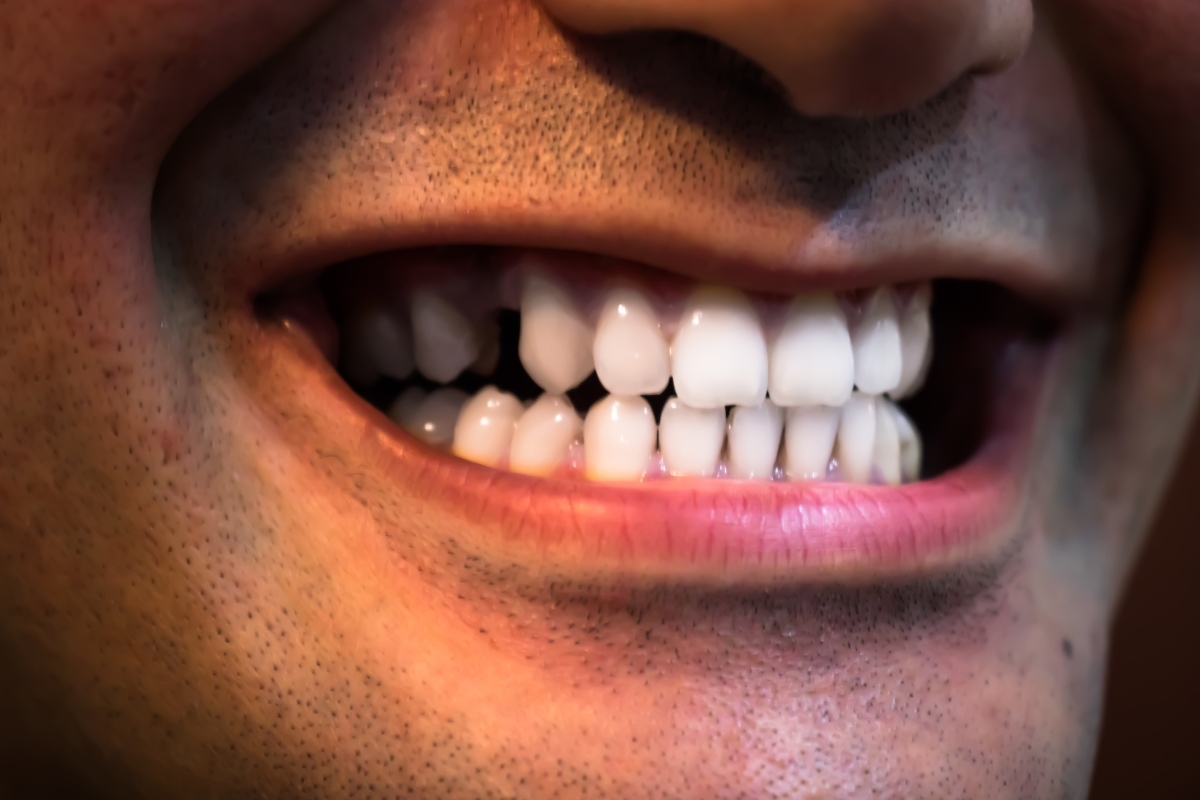
Some patients consider simply leaving a missing tooth alone rather than replacing it, especially if the gap is not highly visible. Over time, this can lead to shifting teeth, bite problems, and ongoing bone loss in the jaw where the tooth once was. An implant is one of the few solutions that addresses both the visible gap and the underlying bone health, which is why it is often recommended even for teeth that are not in the front of the mouth.
Making the Right Choice for Your Smile
There is no universal answer for every patient. Someone missing a tooth entirely and looking for the most durable, bone-preserving solution is often a strong candidate for an implant. Someone with a single damaged but present tooth may only need a crown. The right decision comes down to your bone health, your budget, your timeline, and your long-term goals for your smile.
Ready to Talk Through Your Options
Deciding between a dental implant and a crown does not have to feel overwhelming. At Coastal Dental Arts, our San Diego team will evaluate your jawbone, your remaining teeth, and your goals, then walk you through the option that makes the most sense for your situation and your budget.
Call us today at (619) 786-3635 or book your consultation online to find the right tooth replacement solution for you.
Are you missing teeth that are affecting your lifestyle or even your health? Dr. Chotiner discusses the steps you can take to restore your smile so you can worry more about all the delicious holiday foods you’re going to eat rather than your smile.
Frequently Asked Questions
Can I get a crown instead of an implant?
A crown alone only works if the natural tooth root is still present. If the tooth is missing entirely, a crown cannot replace it on its own, since there is nothing underneath to support it.
What if I have bone loss? Can I still get an implant?
In many cases, yes, often with the help of a bone graft to rebuild enough structure to support the implant. A consultation can determine if this applies to you.
Is it safe to leave a missing tooth untreated?
Leaving a gap untreated can lead to shifting teeth, bite changes, and continued bone loss in the jaw. Most dentists recommend addressing a missing tooth as soon as it is practical to do so.
How long does the implant process take from start to finish?
The full process, including healing time before the final crown is placed, typically takes a few months, though timelines vary based on bone health and individual healing.
How do I know if an implant is right for me?
The best way to know is through an in-person evaluation, where your dentist can assess your bone density, remaining teeth, and overall oral health to recommend the safest and most effective option.