1230 Columbia St. Suite 870 San Diego, CA 92101

By Coastal Dental Arts | April 22, 2025
Dental implants are a top choice for replacing them. Like any surgical implant, they need a solid foundation. This means your jawbone and gums need to be healthy. The challenge arises when there’s significant bone loss. Without enough bone, implants might not integrate properly. This lack of support can affect their success. Can you still get those amazing dental implants even if your jawbone isn’t as robust as it used to be? The short answer is often YES! Let’s explore this further.
Understanding Bone Loss and Its Impact
Our jawbone is pretty amazing. It supports our teeth. When a tooth is lost, the bone in that area can start to deteriorate. This is called bone resorption or bone loss. Several factors can cause this. Gum disease is a big one. Tooth extractions can also lead to bone loss. Even wearing dentures for a long time can have this effect. A lack of stimulation from the tooth roots causes the bone to shrink. This can make placing traditional dental implants tricky.
How Bone Structure Supports Dental Implants
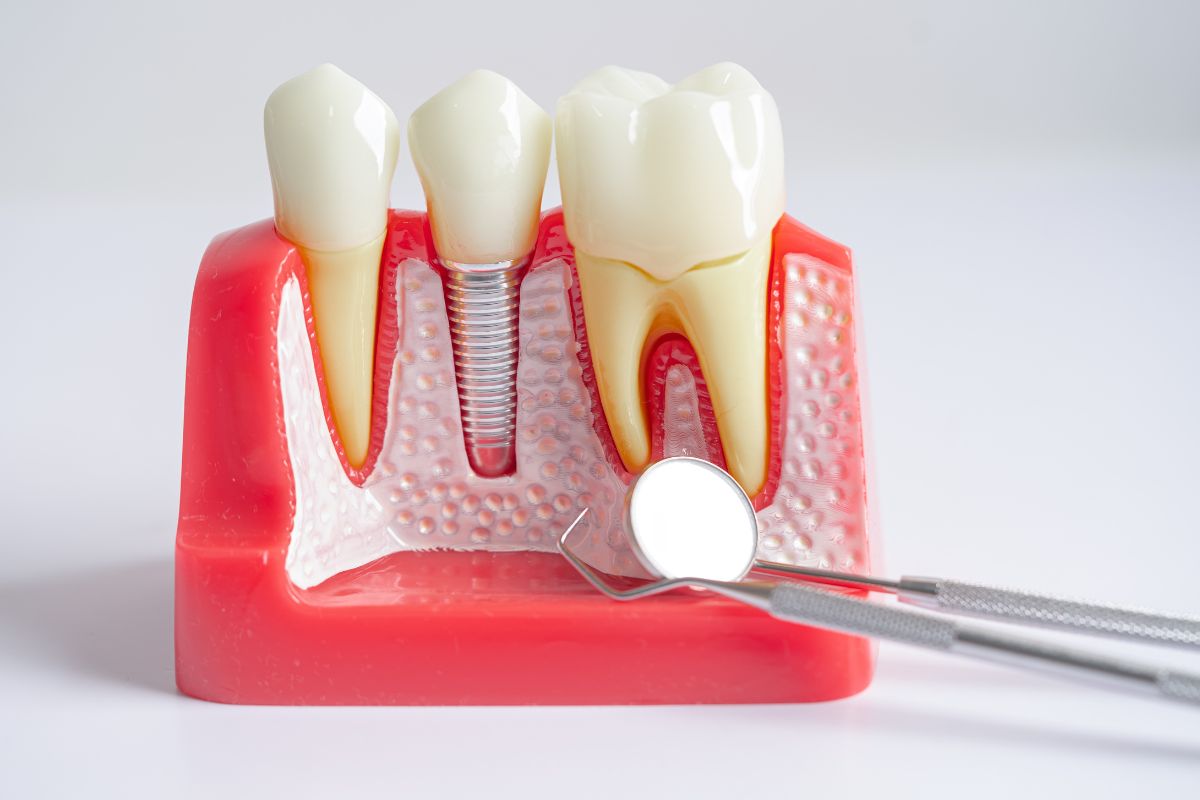
Think of your jawbone as the strong foundation for a building. In this case, the building is a dental implant. Just like a sturdy structure needs solid ground, dental implants need sufficient bone to anchor them securely. When you lose a tooth, the bone in that area no longer receives stimulation. This lack of stimulation can lead to bone resorption. The bone essentially starts to shrink.
The Good News: Bone Grafting to the Rescue!
Don’t worry if you’ve experienced bone loss. Modern dentistry has a fantastic solution: bone grafting. Think of it like rebuilding the foundation. A bone graft involves adding bone material to the area where bone loss has occurred. This creates a stronger, thicker base for the dental implant. The bone material can come from various sources. It could be from your own body, a donor, or synthetic materials. Over time, your natural bone will integrate with the graft. This creates a solid support system for your new implant.
How Bone Grafting Works for Dental Implants
The bone grafting procedure is usually done before implant placement. In some cases, it can be done at the same time. Your dentist will assess the extent of your bone loss. They will then recommend the best type of bone graft for you. The procedure itself is typically performed under local anesthesia. You might experience some mild discomfort afterward. However, this can usually be managed with over-the-counter pain relievers. The healing process takes time. It allows the new bone to fuse with your existing jawbone. Once healed, your jawbone will be strong enough to support a dental implant.
Alternatives to Extensive Bone Grafting
Sometimes, extensive bone grafting isn’t the only option. Mini dental implants are smaller in diameter. They may require less bone. Zygomatic implants are another alternative. These longer implants anchor into the cheekbone (zygoma). This avoids the need for grafting in some upper jaw cases. Your dentist can discuss these options with you. They will help you determine the most suitable approach.
What Is the Process for Getting Implants with Bone Loss?
Embarking on the journey to get dental implants in San Diego with bone loss involves a few key steps. It’s a tailored process to ensure the best possible outcome for your smile. Here’s a general overview:
- Thorough Evaluation: Your dentist will first conduct a comprehensive examination. This includes X-rays or CT scans to assess the extent of your bone loss. They’ll also evaluate your overall oral health. This detailed assessment is crucial for planning the next steps.
- Bone Grafting (if needed): If significant bone loss is present, bone grafting is usually the first step. This procedure involves adding bone material to the deficient area. Different types of grafts exist, and your dentist will recommend the most suitable one for you. Healing time for a bone graft can vary. It typically takes several months for the new bone to integrate with your existing jawbone, creating a solid foundation for your future dental implants.
- Implant Placement: Once the bone graft has healed adequately, the next step is implant placement. This involves surgically placing the titanium implant post into your jawbone. This is a precise procedure done under local anesthesia. In some cases, if bone loss is minimal, implant placement might be possible at the same time as a minor bone graft.
- Osseointegration: After implant placement, a healing period is necessary for osseointegration. This is the crucial process where the implant post fuses directly with your jawbone. This creates a strong and stable anchor for your replacement tooth. This process can take several weeks to months.
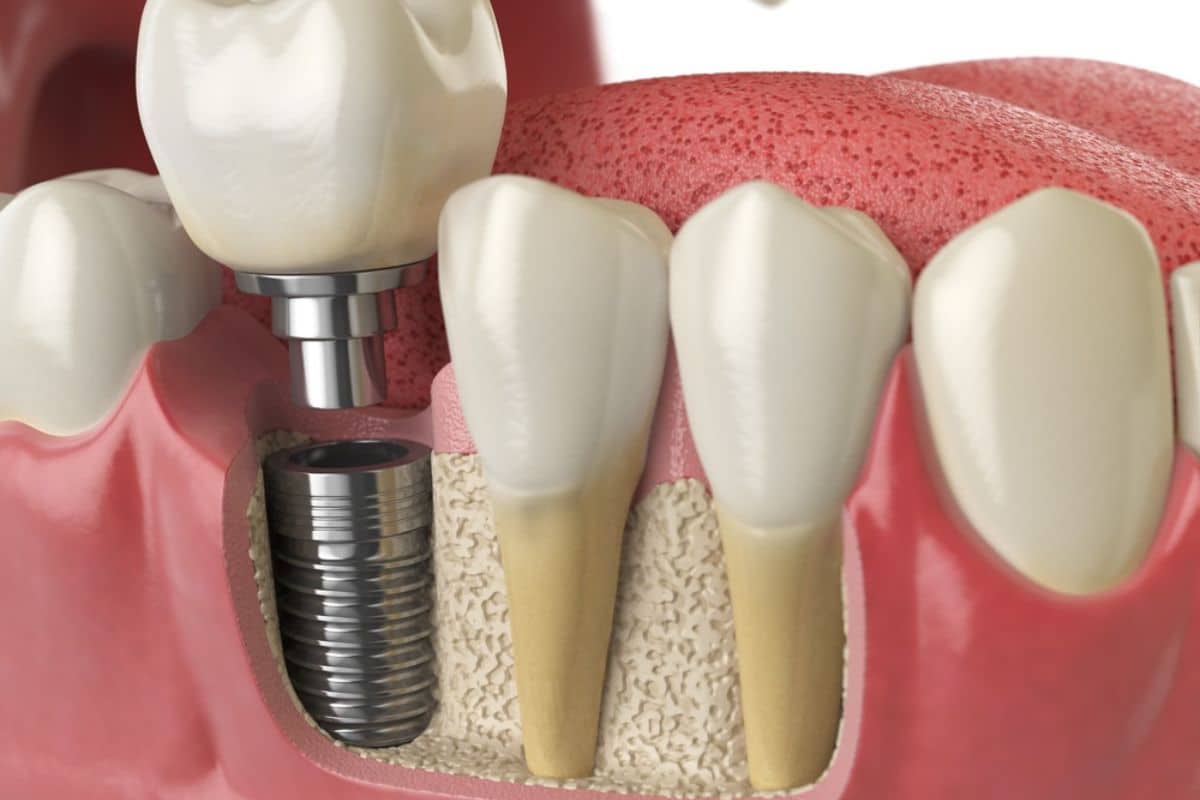
- Abutment Placement: Once osseointegration is complete, a small connector post called an abutment is attached to the implant. This abutment will serve as the connection point for your artificial tooth.
- Crown Placement: The final step is the placement of the custom-made dental crown. This artificial tooth is designed to match the color, size, and shape of your natural teeth. It securely attaches to the abutment, completing your smile restoration with dental implants in San Diego.
Throughout this process, your dentist will monitor your progress closely. Regular check-ups ensure proper healing and the long-term success of your dental implants.
Why Choose Dental Implants?
Despite the possibility of needing bone grafting, dental implants are a fantastic tooth replacement option. They look and feel like natural teeth. They are stable and secure. You can eat all your favorite foods without worry. Dental implants also help preserve your jawbone. They stimulate bone growth, preventing further bone loss. Taking care of them is similar to caring for your natural teeth. Brush, floss, and visit your dentist regularly. For excellent care with dental implants in San Diego, consider our expert team.
Taking the Next Step
Don’t let bone loss discourage you from exploring dental implants. With modern techniques like bone grafting, a strong and healthy smile is still within reach. If you’re considering dental implants in San Diego, we’d love to help you. Our experienced team of dentist in San Diego can assess your individual needs. We can discuss your options and create a personalized treatment plan. Schedule your consultation today with our .