1230 Columbia St. Suite 870 San Diego, CA 92101

By Coastal Dental Arts | December 19, 2024
If you have a dental implant and you’ve noticed food getting trapped around it more than you’d expect, you’re not imagining things — and you’re not alone. It’s one of the most common concerns our patients bring up during checkups here at Coastal Dental Arts. Dental implants are an excellent, durable solution for missing teeth, but like natural teeth, they come with their own maintenance quirks. Understanding why this happens and what to do about it can save you discomfort and protect your investment.
Let’s explore what typically happens in this situation and how you can address it effectively.
Why Does Food Get Stuck Under Dental Implants?
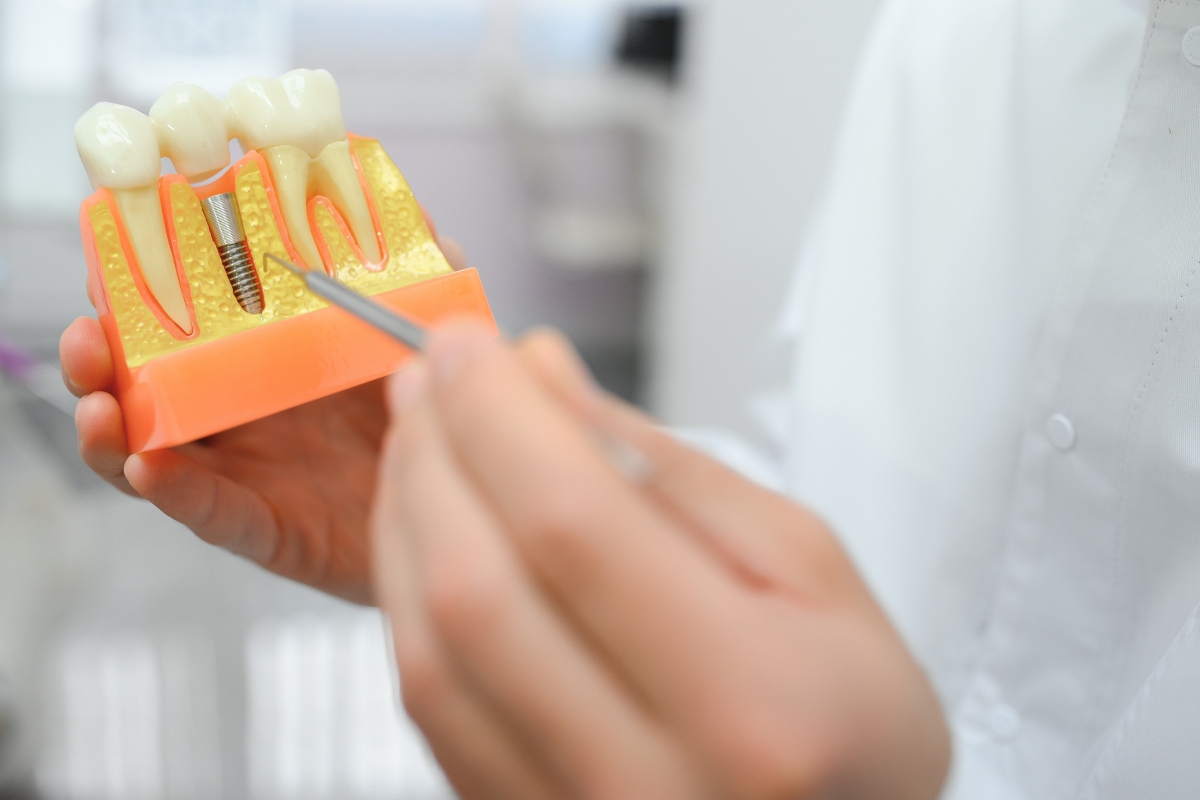
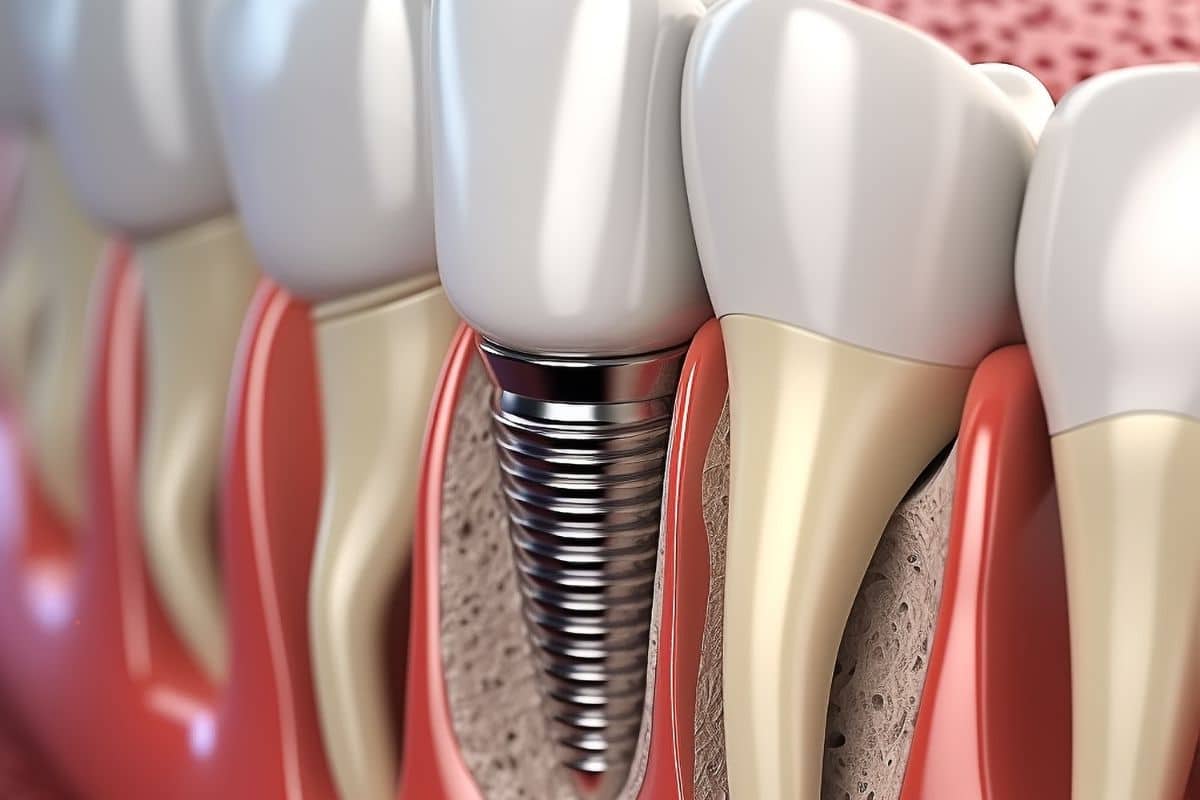
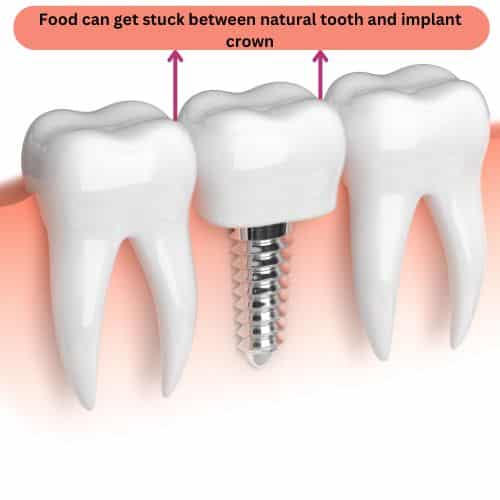 Natural teeth are held in place by a periodontal ligament — a thin layer of connective tissue that creates a tight, cushioned seal between the tooth root and the surrounding gum and bone. Dental implants don’t have this ligament. Instead, the titanium implant post fuses directly to the jawbone through a process called osseointegration, and the crown sits above the gumline attached to an abutment.
Food can get stuck under dental implants due to the slight gap between the implant and surrounding gum tissue. This space is necessary to support healthy gum and bone but can act as a trap for small particles. Unlike natural teeth, implants lack periodontal ligaments that seal them tightly to the gums, making them more susceptible to food debris.
Immediate Effects of Lodged Food
When food becomes trapped, you might experience discomfort or irritation in the surrounding gum area. This can make chewing or speaking uncomfortable. In some cases, you might notice a bad taste in your mouth due to food decomposition, which can also lead to bad breath.
Most of the time, trapped food is a minor annoyance rather than an emergency. Patients typically describe:
- A feeling of pressure, irritation, or “something stuck” near the gumline
- Discomfort when biting down directly on the implant
- A lingering bad taste or breath odor as trapped particles begin to break down
- Mild gum sensitivity when brushing or flossing near the site
These symptoms usually resolve quickly once the debris is removed. The concern is what happens if it isn’t.
Potential Risks if Food Remains Trapped
If food particles are not removed promptly, they can lead to more significant issues, such as:
- Gum inflammation (peri-implant mucositis). The gum tissue around the implant becomes red, puffy, and may bleed when brushed or flossed. At this stage, it’s fully reversible with proper cleaning.
- Peri-implantitis. If inflammation persists, bacteria can spread below the gumline and begin to affect the bone supporting the implant. This is the implant equivalent of periodontal disease and is one of the leading causes of implant failure.
- Bone loss. In advanced, untreated cases, the supporting bone can deteriorate to the point where the implant loosens. At this stage, treatment becomes more involved and may include deep cleaning, antibiotic therapy, or in severe cases, implant removal and replacement.
How to Handle Lodged Food Safely
Here are practical steps to manage food stuck under your dental implants:
- Rinse Your Mouth: Use warm salt water or an antibacterial mouthwash to flush out debris gently.
- Interdental Brushes: These tools are designed to clean hard-to-reach areas around implants without causing damage.
- Water Flossers: Water flossers can dislodge particles effectively and are implant-safe.
- Avoid Sharp Objects: Never use toothpicks or other sharp tools that could harm your gums or the implant.
If discomfort persists, consult our dentist promptly.
Preventing Food From Getting Stuck
Preventive care can minimize the chances of food lodging under your dental implants. Here’s how:
- Rinse first. Warm salt water or an alcohol-free antibacterial mouthwash can loosen debris without irritating the tissue.
- Use an interdental brush. These small, cone-shaped brushes are sized to slide gently around implant abutments and under bridge work without scratching the implant surface.
- Try a water flosser on a low-to-medium setting. This is often the single most effective at-home tool for implant patients, especially for All-on-4 and bridge restorations where string floss can’t reach.
- Use implant-safe floss (often labeled PTFE or “implant floss”) if you prefer traditional flossing — it’s designed to slide under the restoration without shredding.
- Never use a metal toothpick or sharp object. These can scratch the implant surface or injure the gum tissue, which ironically makes future food trapping worse.
Preventing Food From Getting Stuck
Most patients who follow a consistent routine rarely deal with this issue at all. We recommend:
- Brush at least twice daily with a soft-bristled or electric toothbrush, angling the brush slightly toward the gumline around each implant
- Clean around implants daily with a water flosser or interdental brush, not just when something feels stuck
- Keep up with routine cleanings — we recommend implant patients come in every 4-6 months so we can professionally clean areas that home care can’t fully reach
- Be mindful of high-risk foods like popcorn, seeds, and stringy meats, especially in the first year after placement while your gum tissue is still settling
- Don’t skip your post-op or maintenance visits, even if everything feels fine — early-stage inflammation often has no symptoms you’d notice on your own
When to See a Dentist
Most trapped food resolves with home care. Call our office if you notice any of the following:
- Discomfort or a “stuck” feeling that doesn’t clear up within a day of thorough cleaning
- Gum swelling, redness, or bleeding around the implant
- A persistent bad taste or odor that returns even after cleaning
- Any looseness or movement of the implant crown or bridge
Catching a problem at the mucositis stage — before it progresses to peri-implantitis — is one of the best things you can do to protect your implant long-term, and it’s something we can typically identify and treat in a single visit.
The Importance of Professional Maintenance
Routine maintenance is key to extending the lifespan of your implants. During checkups, our dentist will:
- Inspect the implant site for signs of irritation or infection.
- Perform deep cleaning to remove stubborn plaque or debris.
- Provide personalized advice to optimize your oral care routine.
Understanding what happens when food gets stuck under dental implants and how to address it can protect your smile. By staying proactive with oral hygiene and seeking timely dental care, you can avoid complications and enjoy long-lasting results.
If you’re facing challenges with your dental implants or want expert advice, schedule a consultation with the leading specialists in dental implants in San Diego. Book your appointment online to keep your smile healthy and beautiful!
Frequently Asked Questions
Is it normal for food to get stuck under a dental implant?
Occasionally, yes — especially with bridges or All-on-4 restorations. Frequent trapping, though, is worth having evaluated, since it can point to a gap in your cleaning routine or a change in the surrounding gum tissue.
Can trapped food actually cause an implant to fail?
Not on its own, but if left unaddressed, the bacteria from decomposing food debris can lead to peri-implantitis, which is one of the more common causes of implant failure. Prompt cleaning and regular checkups largely prevent this.
What’s the best tool for cleaning around an implant at home?
A water flosser on a low or medium setting is generally the most effective and gentlest option, particularly for bridges and implant-supported dentures where string floss can’t reach.
How often should I see the dentist if I have implants?
We recommend implant patients schedule a cleaning and checkup every four to six months, though your dentist may suggest a different interval based on your specific restoration and gum health.
Can I use a toothpick to remove stuck food?
We don’t recommend it. Toothpicks, especially metal ones, can scratch the implant surface or injure the surrounding gum tissue. Stick to interdental brushes, water flossers, or implant-safe floss instead.