1230 Columbia St. Suite 870 San Diego, CA 92101


By Coastal Dental Arts | November 2, 2026
A sharp twinge when you bite into a sandwich can turn a normal meal into a worry. If you are asking why your tooth hurts when you bite down, you are not alone, and the answer matters. Pain that shows up only when you chew often signals an early warning from a tooth, a filling, or the surrounding gums. A dentist in San Diego can quickly identify the cause and explain which dental treatments fit your situation, so a small problem doesn’t grow into a bigger one.
Why Does Biting Down Cause Tooth Pain?
A thin cushion of ligament holds every tooth in place, and bone and gum tissue surround it. When you bite, that cushion absorbs pressure. If a tooth is cracked, infected, or sitting too high, even normal pressure can trigger pain.
Because many causes feel alike, guessing at home rarely works. A trusted dentist in San Diego will test the tooth, review your history, and assess your bite as a whole. From there, dental treatments in San Diego can range from a simple filling adjustment to a crown, root canal, or gum therapy, depending on what’s happening.
Common Causes of Pain When You Bite Down
Tooth Decay
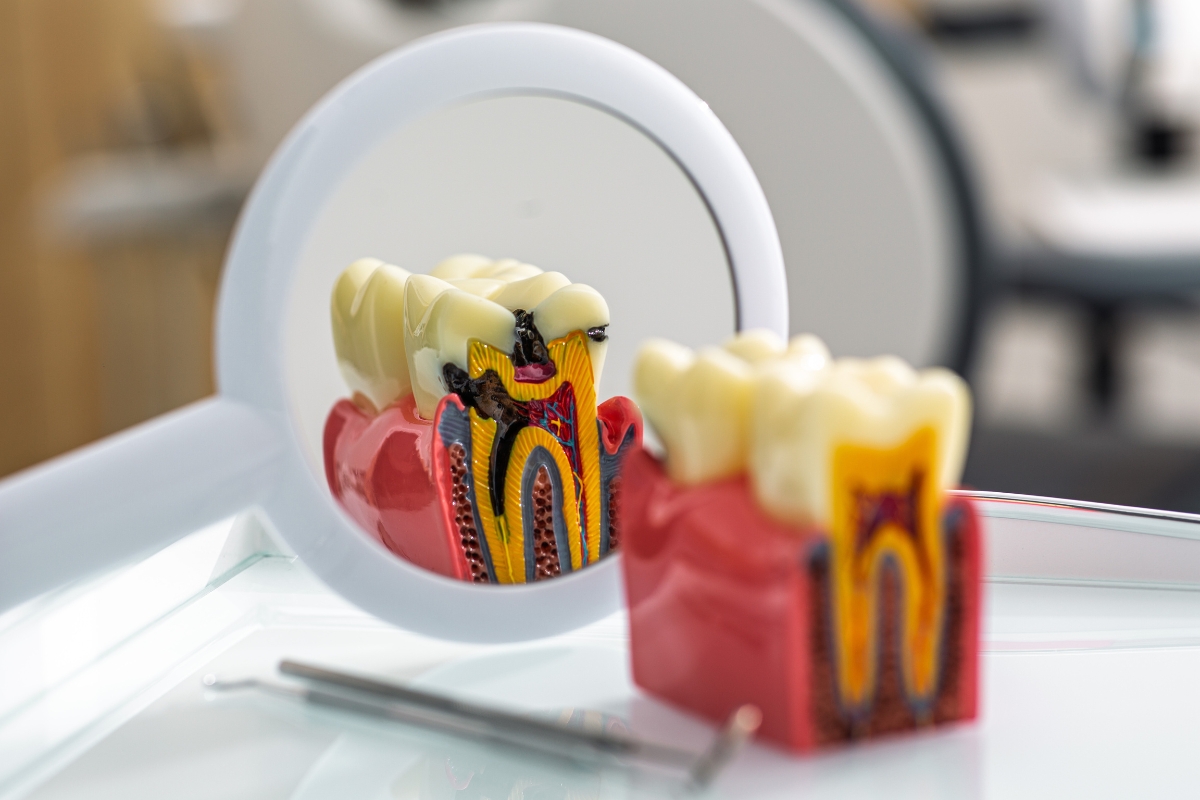
A cavity that reaches the tooth’s inner layers can hurt when you bite down. Early decay is often painless, so pain when you bite may mean the problem has already progressed.
A Cracked Tooth
Small cracks may not show in a mirror. Pain often sharpens when you release the bite and can come and go. Cracks tend to worsen, so early care protects the tooth.
A Problem Filling or Crown
A loose, worn, or slightly too-high filling or crown can throw off your bite and put pressure on the tooth. Leaking edges can also let bacteria in underneath.
Infection or Abscess
Bacteria that reach the nerve can cause a root infection. Biting may hurt because the tissue around the root is inflamed. Swelling, a bad taste, or a bump on the gum are warning signs.
Gum Disease
Advanced gum disease weakens the support around a tooth. A loose or tender tooth that aches when you chew may be losing that support.
Teeth Grinding and Clenching
Grinding puts extra load on teeth and the ligaments around them, so they may feel sore when you eat. Morning jaw tightness is a common clue. Sinus pressure can also make your upper back teeth ache, and a dentist can help sort it out.
Signs You Should Not Wait
Call your dentist promptly if biting pain lasts more than a few days or keeps getting worse. Seek care right away if you notice any of the following.
- Swelling in the face, jaw, or gums
- Fever or a bad taste in your mouth
- A pimple-like bump on the gum
- Pain that wakes you at night
- Pain that spreads to the ear or jaw
If swelling spreads or you have trouble breathing or swallowing, go to the nearest emergency room.
How to Describe Your Pain to Your Dentist
Details help your dentist narrow the cause faster. Notice whether the pain is sharp or dull, whether it comes when you bite or when you let go, and whether hot drinks, cold water, or sweets make it worse. Write down which tooth hurts, when it began, and whether you have had recent dental work. Even a few notes can save time and help you leave with a clear plan.
What to Expect at Your Visit
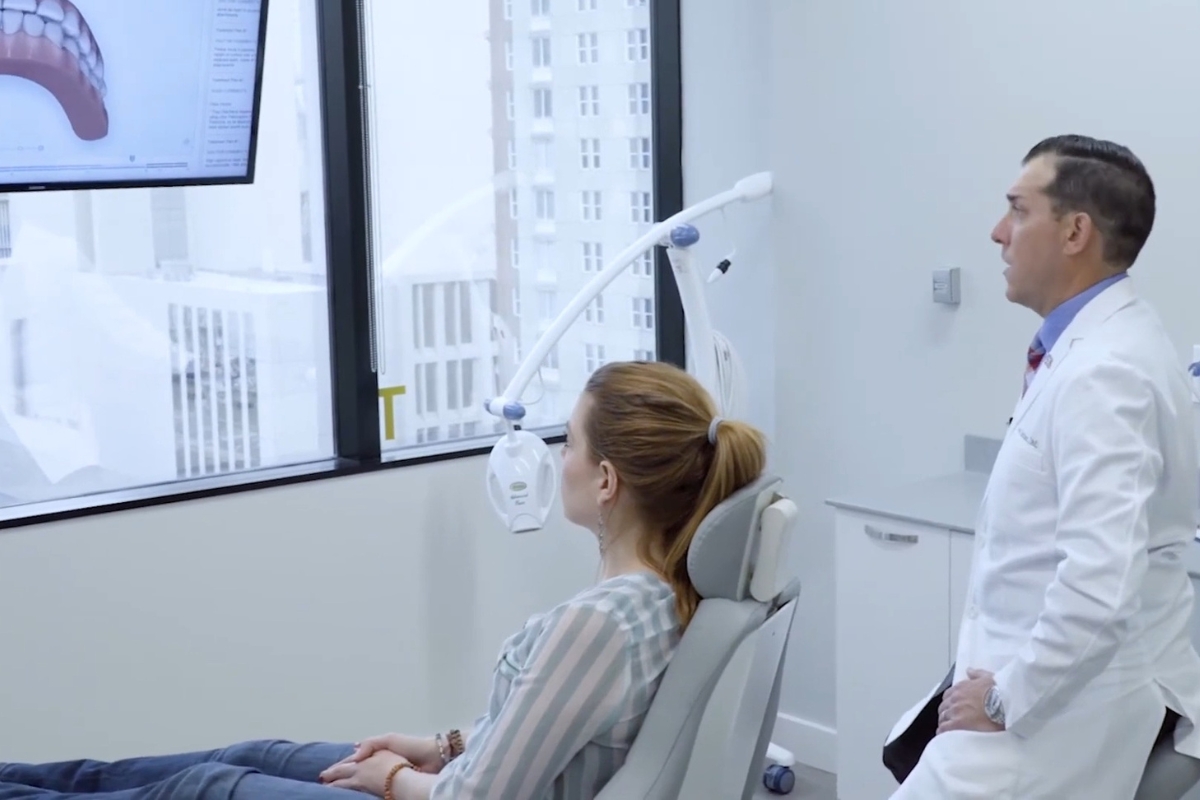
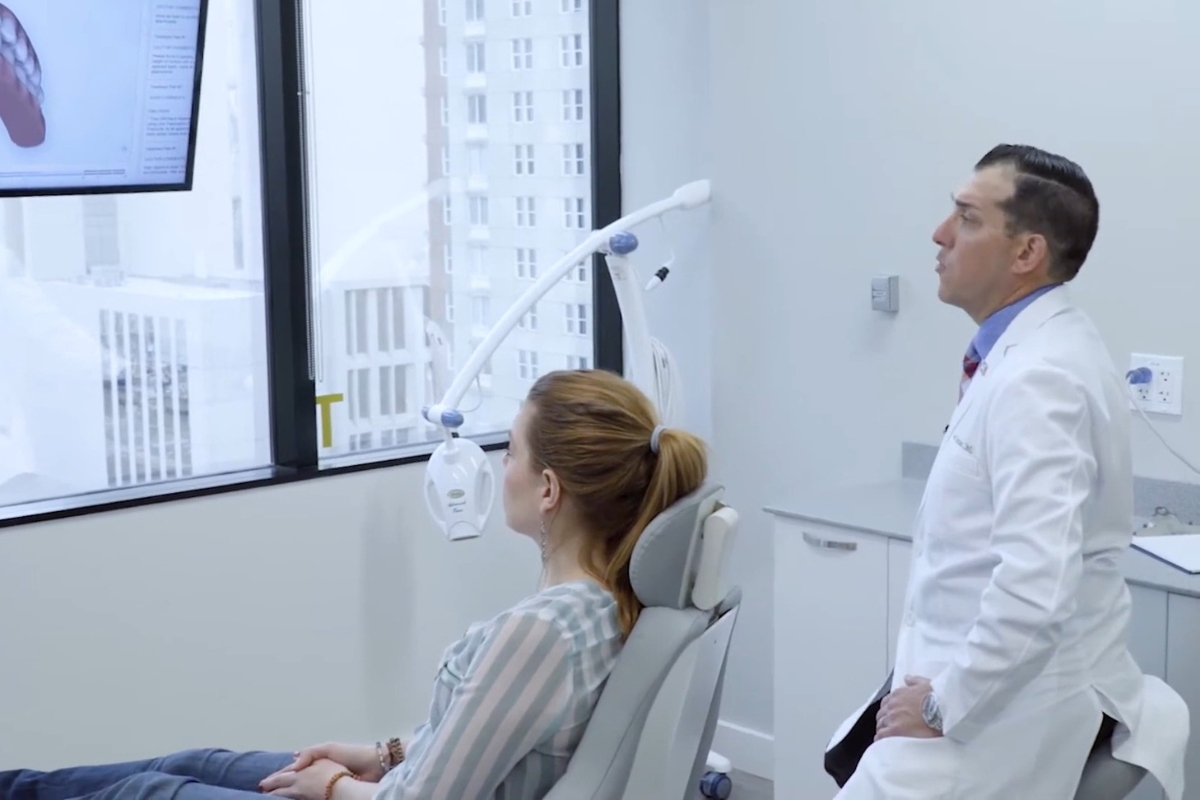
Your dentist will ask when the pain started, what triggers it, and whether hot or cold makes it worse. Next, they’ll do a gentle exam, including tapping on the tooth, bite testing, and checking your gums. Digital imaging shows the roots and the bone beneath the surface. Most visits end with a clear explanation of what is going on and your options.
Treatment Options Depend on the Cause
A treatment plan follows the diagnosis, not the symptom. A small bite problem may only need a filling adjusted. A damaged tooth may need an onlay or a crown to hold it together. If the nerve is infected, a root canal can relieve pain and save the tooth. When a tooth cannot be saved, extraction followed by an implant or other replacement may be the best path. Gum therapy helps when periodontal disease is behind the pain, and your dentist may suggest a protective bite guard if grinding is the culprit.
Why Early Care Matters
Busy schedules make it tempting to wait and hope. Yet a cracked tooth can break deeper, and an infection can spread, often leading to longer, costlier treatment later. Seeing a dentist at the first sign of biting pain usually keeps care simpler, protects more natural tooth structure, and gets you back to eating comfortably sooner.
What You Can Do Until Your Appointment
Chew on the opposite side, choose soft foods, and avoid very hot, cold, or sticky items. Rinse gently with warm salt water and brush carefully around the tooth. Over-the-counter pain relievers, used as directed on the label, may provide short-term comfort, but they don’t fix the cause.
Why Patients Choose Our Downtown San Diego Team
At Coastal Dental Arts, Dr. David Chotiner and his associates offer complete care under one roof, from exams and fillings to crowns, gum treatment, implants, and oral surgery. Our downtown San Diego office uses digital technology and gentle techniques, and we take time to explain every option in plain language. We accept many insurance plans and offer flexible payment options, so cost doesn’t have to delay care.
Pain when you bite is your body asking for attention. Call 619-858-8080 or request an appointment online to get answers this week.
Frequently Asked Questions
Is it normal for a tooth to hurt only when I bite?
Occasional mild soreness after dental work can settle on its own within a few days. Pain that repeats, sharpens, or lasts longer deserves an exam.
Can a cracked tooth heal by itself?
No. Tooth enamel cannot repair a crack the way bone heals. A dentist can protect the tooth with bonding, an onlay, or a crown before the crack spreads.
Will my dental insurance cover treatment?
Coverage depends on your plan and the treatment. Many plans help pay for fillings, crowns, and root canals. Our team reviews your benefits before treatment and explains any out of pocket cost.
How soon should I see a dentist?
Book a visit within a few days if the pain continues. Go the same day if you have swelling, fever, or severe pain.
Get Relief and Answers Today
Do not ignore tooth pain that shows up when you bite down. Whether you are looking for a dentist in San Diego or want to learn about dental treatments in San Diego that can protect your smile, early care is simpler, more comfortable, and more affordable. Call 619-858-8080 or request your visit online, and let our team find the cause of your pain.