
1230 Columbia St. Suite 870 San Diego, CA 92101

By Coastal Dental Arts | June 8, 2026
A cavity might start as a small, harmless-looking spot on your tooth, but it doesn’t always stay that way. Left untreated, even a tiny patch of decay can grow into a painful, infection-causing problem that needs immediate attention. If you’ve ever wondered whether your toothache can wait until next week or whether it’s time to call a dentist in San Diego right away, this guide will help you understand the warning signs and what to expect from treatment.
As a trusted San Diego dentist, we see patients every week who waited “just a little too long” before coming in. Understanding when a cavity becomes a dental emergency can save you pain, money, and even your tooth.
What Exactly Is a Cavity?
A cavity, also called tooth decay or dental caries, develops when bacteria in your mouth produce acids that erode your tooth’s enamel. Over time, this creates a hole, or cavity, in the tooth. Cavities don’t appear overnight — they progress in stages, and the stage your cavity is in determines how urgent your treatment needs to be.
Most cavities are caught during routine dental checkups before they cause any pain. This is one of the biggest reasons dentists recommend visiting a local dental office every six months, even if nothing seems wrong.
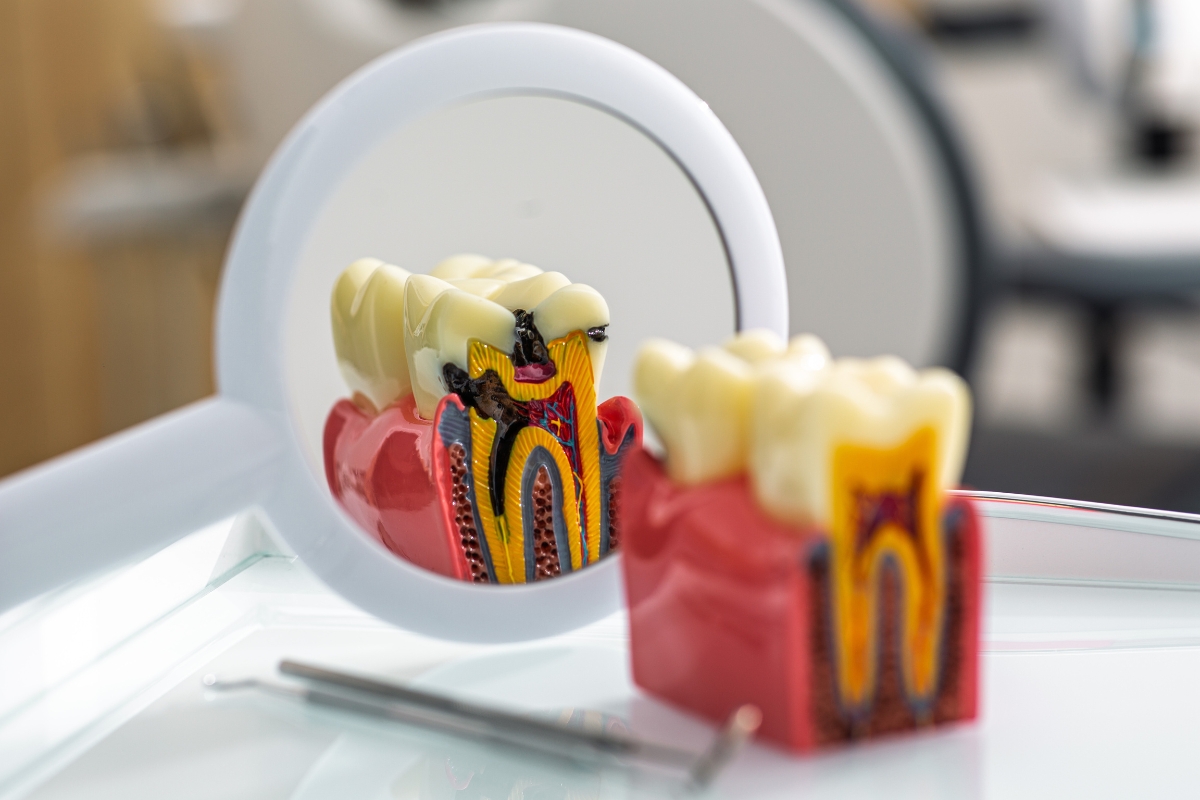
Stages of Tooth Decay
- Early enamel decay – A small white or brown spot appears. Usually painless and reversible with fluoride treatment and improved oral hygiene.
- Dentin decay – The decay moves past the enamel into the softer dentin layer. You may start noticing sensitivity to hot, cold, or sweet foods.
- Pulp involvement – Decay reaches the inner pulp, where nerves and blood vessels live. This stage often causes noticeable pain.
- Abscess formation – Bacteria infect the pulp, leading to a painful, pus-filled pocket at the root of the tooth. This is a true dental emergency.
- Tooth structure breakdown – Without treatment, the tooth can fracture or break down completely, sometimes requiring extraction.
Understanding where your cavity falls on this spectrum is the key to knowing whether you need a same-day appointment or can schedule a routine visit.
Signs Your Cavity Needs Urgent Dental Treatment
Not every cavity is an emergency, but certain symptoms are red flags that shouldn’t be ignored. Reach out to your local dental office immediately if you notice:
- Severe or throbbing tooth pain that doesn’t go away with over-the-counter pain relievers
- Swelling in the gums, face, or jaw, which can indicate an infection or abscess
- Pain when biting or chewing, suggesting deep decay or a cracked tooth
- A bad taste or foul odor coming from the affected tooth, often a sign of infection
- Visible pus or drainage near the gumline
- Fever along with tooth pain, which may mean the infection has spread
- A tooth that feels loose without any recent injury
- Sudden sensitivity to hot and cold that lingers for more than a few seconds
If you’re experiencing any of these symptoms, don’t wait it out. Dental infections can spread quickly to other parts of the face, jaw, and even the bloodstream in rare but serious cases.
Why Untreated Cavities Become Dangerous
Many patients ask why a “simple cavity” can turn into such a big deal. The answer lies in how connected your mouth is to the rest of your body. Once bacteria reach the pulp of a tooth, they can travel into the surrounding bone and soft tissue, creating an abscess. Left untreated, this infection can spread to the jaw, neck, and, in extremely rare cases, become life-threatening.
This is why dentists across San Diego emphasize early intervention. Catching a cavity in its early stages means a simple filling. Waiting too long can mean a root canal, extraction, or even hospitalization for a severe infection.
What Urgent Dental Treatments Look Like
When a cavity has progressed to the point of needing emergency care, your San Diego dentist has several treatment options depending on severity:
- Dental Fillings – For moderate decay that hasn’t reached the pulp, a filling removes the decayed portion and restores the tooth’s shape and function.
- Root Canal Therapy – If decay has infected the pulp, a root canal removes the infected tissue, cleans the canal, and seals the tooth to prevent further infection. This procedure has a reputation for being painful, but modern techniques make it far more comfortable than most patients expect.
- Tooth Extraction – When a tooth is too damaged to save, extraction may be the safest option, especially if infection has spread to the surrounding bone.
- Antibiotics – If there’s an active infection, antibiotics may be prescribed alongside other treatments to control the spread of bacteria before or after a procedure.
- Incision and Drainage – For an abscess, your dentist may need to drain the infection to relieve pressure and pain before further treatment.
Choosing an experienced provider for dental treatments in San Diego matters here. Emergency procedures require precision, and a dentist familiar with complex cases can often save a tooth that might otherwise be lost.
How to Prevent Cavities From Becoming Emergencies
Prevention is always easier than emergency treatment. A few habits go a long way:
- Brush twice daily with fluoride toothpaste
- Floss every day to remove plaque between teeth
- Limit sugary snacks and acidic drinks
- Drink plenty of water, especially after meals
- Visit your dentist every six months for cleanings and checkups
- Ask about dental sealants, especially for children
- Don’t ignore early sensitivity or discomfort — get it checked early
Routine visits to a dental office are your best defense. Most cavities caught early can be treated with a simple filling rather than a more invasive procedure.
When to Call Your Dentist Right Away
If you’re unsure whether your situation counts as urgent, it’s always better to call and ask. A good rule of thumb: if you’re in pain that affects your ability to eat, sleep, or function normally, or if you notice any swelling, treat it as urgent. Many dental offices, including practices offering comprehensive dental treatments in San Diego, set aside same-day slots specifically for emergencies like these.
Cavities are common, but how you respond to them makes all the difference. Catching decay early means simpler, less expensive treatment. Ignoring the warning signs can lead to infections, root canals, or even tooth loss. If you’re experiencing tooth pain, swelling, or sensitivity, don’t wait for it to get worse.
For trusted, comprehensive dental care, scheduling regular checkups with an experienced dental office is the best way to catch problems before they become emergencies. Whether you need a routine cleaning or urgent dental treatments in San Diego, getting evaluated quickly can save your tooth — and your peace of mind.
Frequently Asked Questions
Can a cavity heal on its own without treatment?
Very early-stage decay limited to the enamel can sometimes be reversed with fluoride treatment and improved oral hygiene. Once decay reaches the dentin or pulp, it cannot heal on its own and requires professional treatment.
How do I know if my cavity is an emergency?
Severe pain, swelling, fever, or pus are clear signs of a dental emergency. Mild sensitivity without swelling usually means you can schedule a regular appointment, though it’s still wise to be seen soon.
Is a cavity-related toothache always a sign of infection?
Not always. Sensitivity can come from enamel wear or mild decay. However, persistent or throbbing pain often points to infection reaching the pulp, which needs prompt evaluation.
How long can I wait before treating a cavity?
This depends on the stage of decay. Early cavities can often wait for a routine visit, but once pain, swelling, or sensitivity develops, treatment should happen as soon as possible to avoid complications.
Will I need a root canal for every untreated cavity?
No. Many cavities are treated with a simple filling. A root canal is typically only necessary once decay has reached the inner pulp of the tooth.
What happens if I ignore a dental abscess?
An untreated abscess can spread infection to the jaw, face, and neck, and in rare cases become a serious medical emergency. Abscesses should always be treated promptly by a dentist.
Are emergency dental visits more expensive than regular visits?
Emergency treatments can sometimes cost more due to the complexity of the procedure needed, but addressing a cavity early through routine care is almost always less expensive than waiting for it to become an emergency.