1230 Columbia St. Suite 870 San Diego, CA 92101

By Coastal Dental Arts | October 7, 2026
Losing teeth can affect your ability to eat comfortably, speak clearly, and smile confidently. However, tooth loss can also cause another problem that many patients do not immediately notice: gradual deterioration of the jawbone. If you have been missing several teeth for years, you may have been told that your jawbone is too weak or thin to support dental implants.
Does that mean implant treatment is no longer possible?
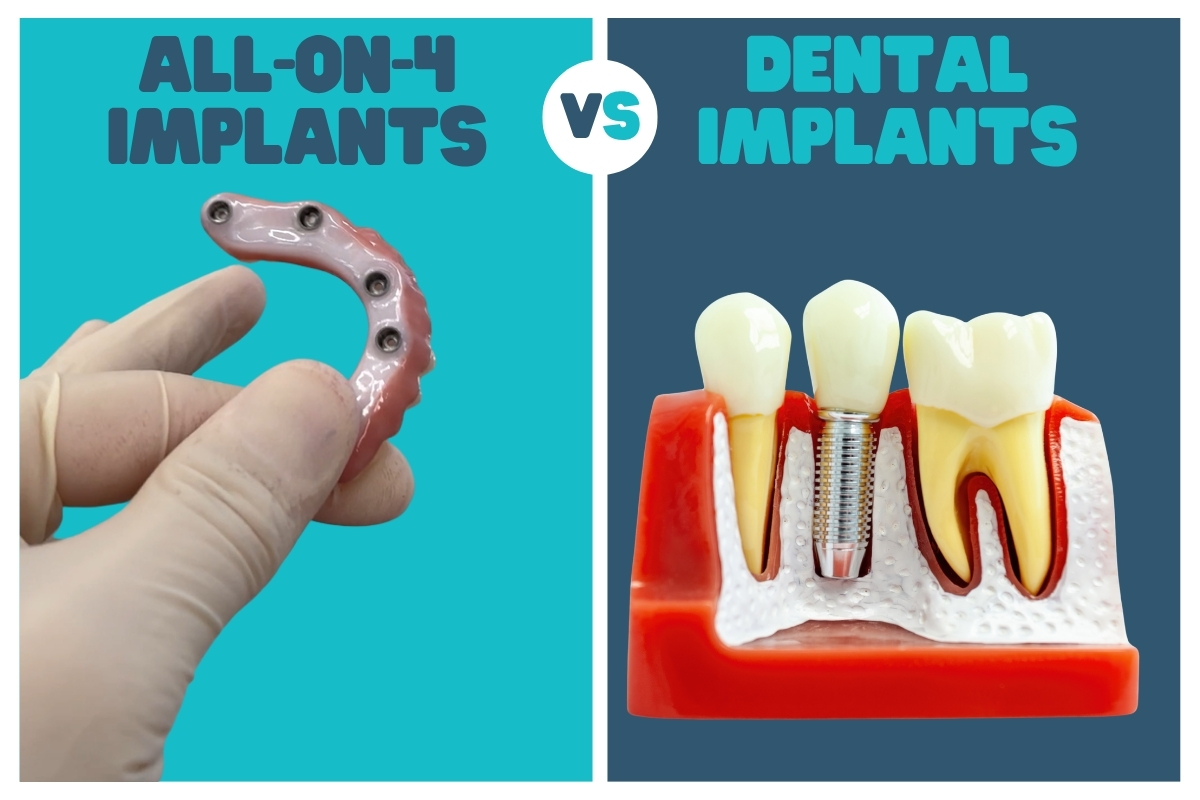
Yes, some patients with severe bone loss can still receive All-on-4 dental implants. This treatment uses four strategically positioned implants to support a full arch of replacement teeth. Its placement approach can sometimes make use of available bone that conventional implant techniques cannot easily access.
However, severe bone loss does not automatically make someone eligible for All-on-4 treatment. The amount, quality, and location of the remaining bone determine whether the implants can be placed safely.
For patients considering All-on-4 Dental Implants in San Diego, understanding how bone loss affects treatment is an important first step.
Why Does Jawbone Loss Happen After Losing Teeth?
Your natural tooth roots help maintain the surrounding jawbone by transmitting forces during chewing. When teeth are lost, the bone no longer receives the same stimulation and gradually begins to shrink. Dentists call this process bone resorption.
Several conditions can contribute to jawbone deterioration:
- Long-term tooth loss: Missing teeth can cause progressive bone shrinkage, particularly when they remain unreplaced.
- Advanced gum disease: Periodontal infections can damage the tissues and bone supporting your teeth.
- Extended denture use: Conventional dentures do not provide the same bone stimulation as natural tooth roots.
- Dental infections: Untreated infections around tooth roots can destroy surrounding bone.
- Facial injuries: Trauma can damage the jawbone and reduce the bone available for implant placement.
Bone loss may develop without obvious discomfort. By the time dentures become loose or the facial profile changes, significant deterioration may have occurred.
How Do All-on-4 Dental Implants Work With Reduced Bone?
Traditional full-arch implant treatment may require several implants positioned along the jaw. When the available bone is limited, placing implants in certain areas becomes more difficult.
The All-on-4 approach uses a different placement strategy.
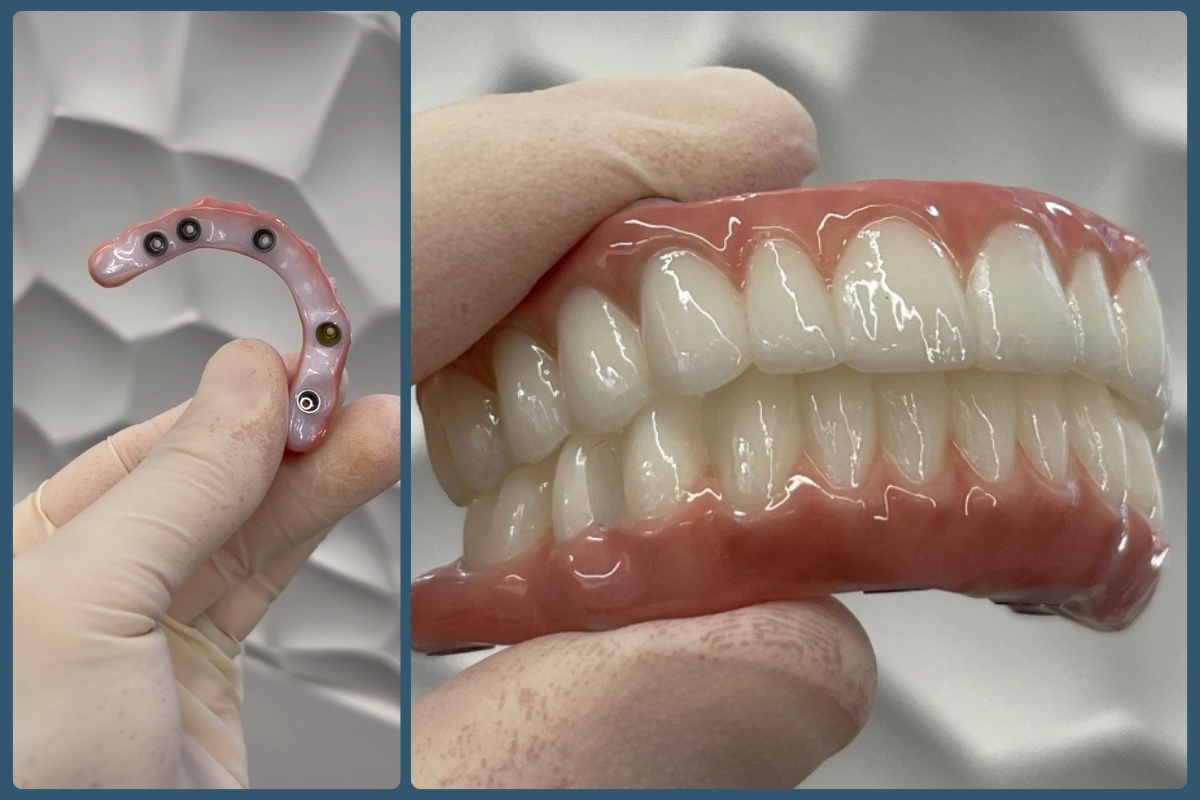
Four dental implants support a complete arch of replacement teeth. Typically, two implants are positioned toward the front of the jaw, while the two posterior implants are angled to make use of available bone.
This arrangement may provide several advantages:
- Uses available bone in selected areas of the jaw.
- May reduce the need for extensive bone grafting in suitable patients.
- Supports a fixed, full-arch dental restoration.
- Can allow temporary fixed teeth to be attached shortly after surgery when adequate initial implant stability is achieved.
- Reduces the number of implants required compared with some other full-arch approaches.
However, angled placement cannot compensate for every degree of bone loss. Patients still need sufficient healthy bone to support the implants.
How Much Bone Is Needed for All-on-4 Implants?
There is no single minimum jawbone measurement that applies to every patient. The amount of bone required depends on the implant dimensions, proposed placement sites, bone quality, and surrounding anatomy.
Your dentist must evaluate several important factors.
Bone Height and Width
The jawbone must have enough height and width to accommodate implants without damaging nearby structures.
Bone Quality
Bone must provide adequate support during implant placement and healing. Bone volume and density both influence treatment planning.
Location of Remaining Bone
Some patients have substantial bone loss toward the back of the jaw but retain enough bone in the front for an All-on-4 configuration.
Nearby Anatomical Structures
The position of the maxillary sinuses in the upper jaw and important nerves in the lower jaw can limit where implants may be placed.
These measurements help determine whether All-on-4 treatment is feasible or whether additional procedures are necessary.
How Does 3D Imaging Help Evaluate Severe Bone Loss?
A routine dental examination cannot reveal the full extent of jawbone deterioration. Detailed imaging is particularly important when planning implants for patients with advanced bone loss.
At Coastal Dental Arts, the dental team uses Cone Beam Computed Tomography (CBCT) to obtain three-dimensional images of the jawbone. This technology supports implant planning by helping dentists assess bone structure and surrounding anatomy.
CBCT imaging can help identify:
- Areas with sufficient bone for implant placement.
- Bone deficiencies that may complicate treatment.
- The position of nerves and sinus cavities.
- Potential implant locations and angulations.
- Whether additional treatment may be necessary.
This information allows the dentist to develop an individualized treatment plan rather than relying on assumptions about bone loss.
Will You Need Bone Grafting Before All-on-4 Implants?
Not necessarily. One advantage of the All-on-4 technique is that it may reduce or eliminate the need for bone grafting in appropriately selected patients.
However, bone grafting may still be necessary when the remaining jawbone cannot adequately support the proposed implants.
A bone graft involves placing grafting material in an area where additional bone support is needed. Over time, the material provides a framework for new bone formation.
Your dentist may recommend grafting when:
- Bone loss affects the proposed implant placement sites.
- The remaining ridge is too narrow or shallow.
- Previous infections have damaged supporting bone.
- Implant stability cannot be achieved with the existing bone structure.
Grafting may extend the overall treatment timeline because the area needs time to heal before implant placement.
For patients with extremely advanced bone loss, alternative implant configurations or referral for more complex treatment may be appropriate.
What Happens During an All-on-4 Consultation in San Diego?
If you are exploring Dental Implants in San Diego after being diagnosed with bone loss, a comprehensive evaluation can help clarify your options.
At Coastal Dental Arts, the treatment planning process generally involves:
- Oral examination: The dentist examines your remaining teeth, gums, and overall oral health.
- Medical history review: Existing conditions, medications, and factors affecting healing are considered.
- CBCT imaging: Three-dimensional scans help evaluate the available jawbone.
- Treatment planning: The dentist determines whether All-on-4 placement is possible and discusses any preparatory procedures.
- Restoration planning: The team explains temporary teeth, healing, and the eventual placement of the final restoration.
Our All-on-4 treatment process includes temporary teeth following implant placement and a final restoration after the healing period.
Can Severe Bone Loss Affect Long-Term Implant Success?
Yes. Successful dental implant treatment depends on more than the initial surgical placement. Implants must integrate with the surrounding bone through a biological process called osseointegration. Inadequate bone support, infection, and certain medical conditions can interfere with this process.
Patients should also understand the importance of long-term maintenance. Regular dental examinations, proper cleaning around implant restorations, and management of gum inflammation help protect the supporting tissues.
If you are asking yourself ‘Why Do I Need a Bone Graft Before Getting a Dental Implant?’, understanding the relationship between jawbone health and implant preparation will help. Schedule a consultation with our professionals for detailed information.
Frequently Asked Questions
Can You Get All-on-4 Implants if You Have Almost No Jawbone?
Patients with extremely limited jawbone may not qualify for conventional All-on-4 treatment. Advanced imaging is necessary to determine whether sufficient bone remains. Alternative implant techniques may be considered after further evaluation.
Is Bone Grafting Always Required for Severe Bone Loss?
No. Some patients can receive All-on-4 implants without bone grafting because angled implant placement may use available bone more effectively. Others require grafting or a different treatment approach.
Can You Get All-on-4 Implants After Wearing Dentures for Years?
Possibly. Long-term denture wear is often associated with progressive jawbone resorption. However, many denture wearers may still qualify for implant-supported restorations depending on their remaining bone structure and overall health.
How Does Coastal Dental Arts Evaluate Jawbone Loss in San Diego?
Coastal Dental Arts uses CBCT imaging to examine jawbone anatomy and assist with implant planning. The dentist also evaluates your oral health, medical history, and treatment goals before determining whether All-on-4 implants are appropriate.
Can Patients With Gum Disease Receive All-on-4 Implants?
Patients with active periodontal disease generally need the infection addressed before implant placement. Once the condition is controlled, the dentist can evaluate the remaining bone and determine whether full-arch implant treatment is possible.
Where Can I Get Evaluated for All-on-4 Dental Implants in San Diego?
Coastal Dental Arts provides All-on-4 Dental Implants in San Diego at 1230 Columbia Street, Suite 870, San Diego, CA 92101. Patients concerned about bone loss can schedule a consultation to discuss their eligibility and available treatment options.
How Can Coastal Dental Arts Help Patients With Severe Bone Loss?
The dental team at Coastal Dental Arts evaluates jawbone structure using advanced imaging and develops treatment plans based on individual clinical findings. Patients considering Dental Implants in San Diego can discuss whether All-on-4 treatment, bone grafting, or another restoration option is appropriate.
Find Out Whether All-on-4 Implants Are Possible for You
Severe jawbone loss can make dental implant treatment more complicated, but it does not always eliminate your options. With appropriate imaging and treatment planning, some patients may qualify for All-on-4 implants even after experiencing considerable bone deterioration.
At Coastal Dental Arts, Dr. David Chotiner and associates provide comprehensive dental care for patients in San Diego and surrounding communities. The team can assess your jawbone health, explain your restoration options, and help you understand the next steps.
Book an appointment to find out whether All-on-4 dental implants may be suitable for your needs.