1230 Columbia St. Suite 870 San Diego, CA 92101

By Coastal Dental Arts | August 7, 2026
Missing a tooth changes more than your smile. It can affect how you chew, how you speak, and even your confidence in everyday conversations. If you are considering dental implants in San Diego, understanding the process ahead of time can ease a lot of the uncertainty. Knowing what happens at each stage makes the entire experience feel far less intimidating.
At Coastal Dental Arts, we walk every patient through the implant journey step by step, so nothing feels like a surprise. Here is what you can expect from your first consultation through your final restored smile.
Step One: The Initial Consultation
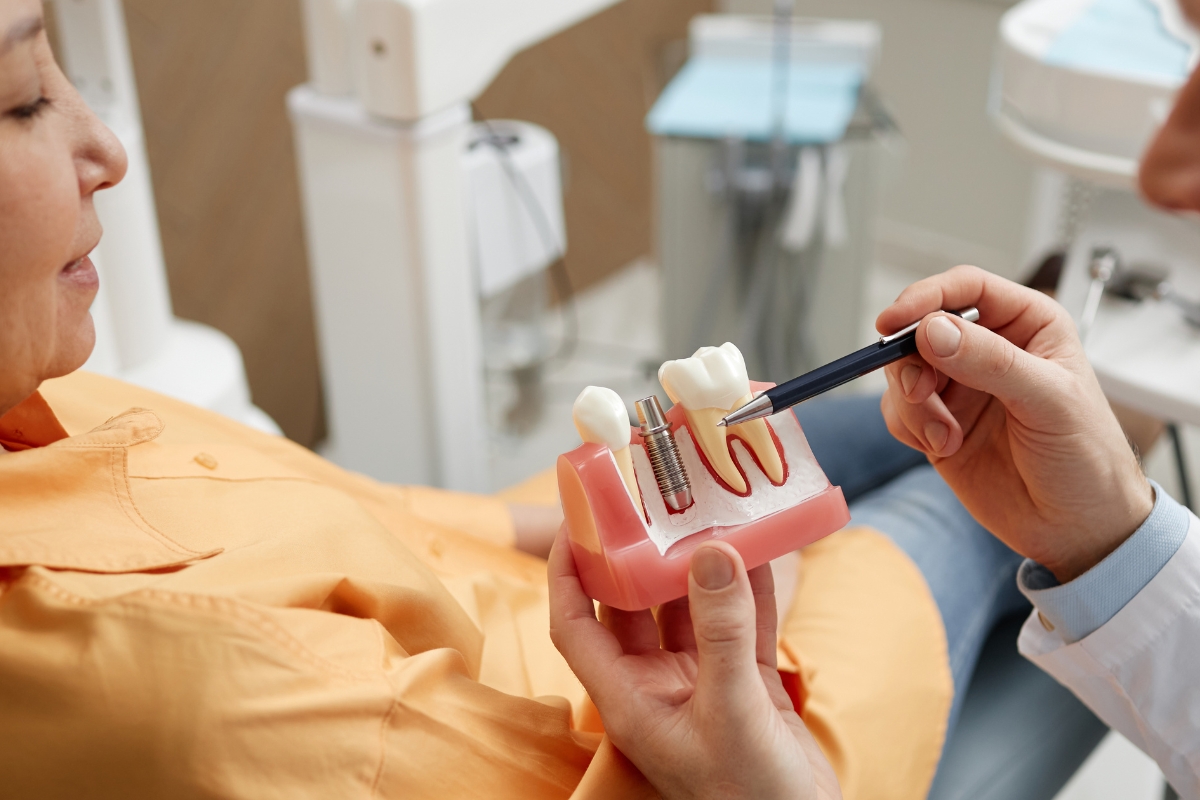
Every implant journey starts with a thorough evaluation. During your consultation, your San Diego implant dentist examines your teeth, gums, and jawbone to determine whether you are a good candidate. This typically includes a review of your dental and medical history along with 3D imaging to assess bone density and structure.
This step matters because implants rely on a strong foundation. If your jawbone has thinned due to missing teeth, your dentist may recommend a bone graft before moving forward. Most patients, however, are candidates for implants without any additional preparation.
Step Two: Creating Your Personalized Treatment Plan
Once your evaluation is complete, your dentist builds a treatment plan tailored to your specific needs. This includes deciding how many implants you need, whether you are replacing a single tooth or several, and mapping out the exact placement using digital imaging.
At this stage, you will also discuss timelines, anesthesia options, and what your recovery will look like. We offer everything from single tooth implants to full mouth and All-on-4 solutions, so your plan is built around your goals and your budget.
Step Three: Implant Placement Surgery
This is the stage most patients are curious, and sometimes nervous, about. The good news is that implant placement is typically straightforward and performed under local anesthesia to keep you comfortable throughout.
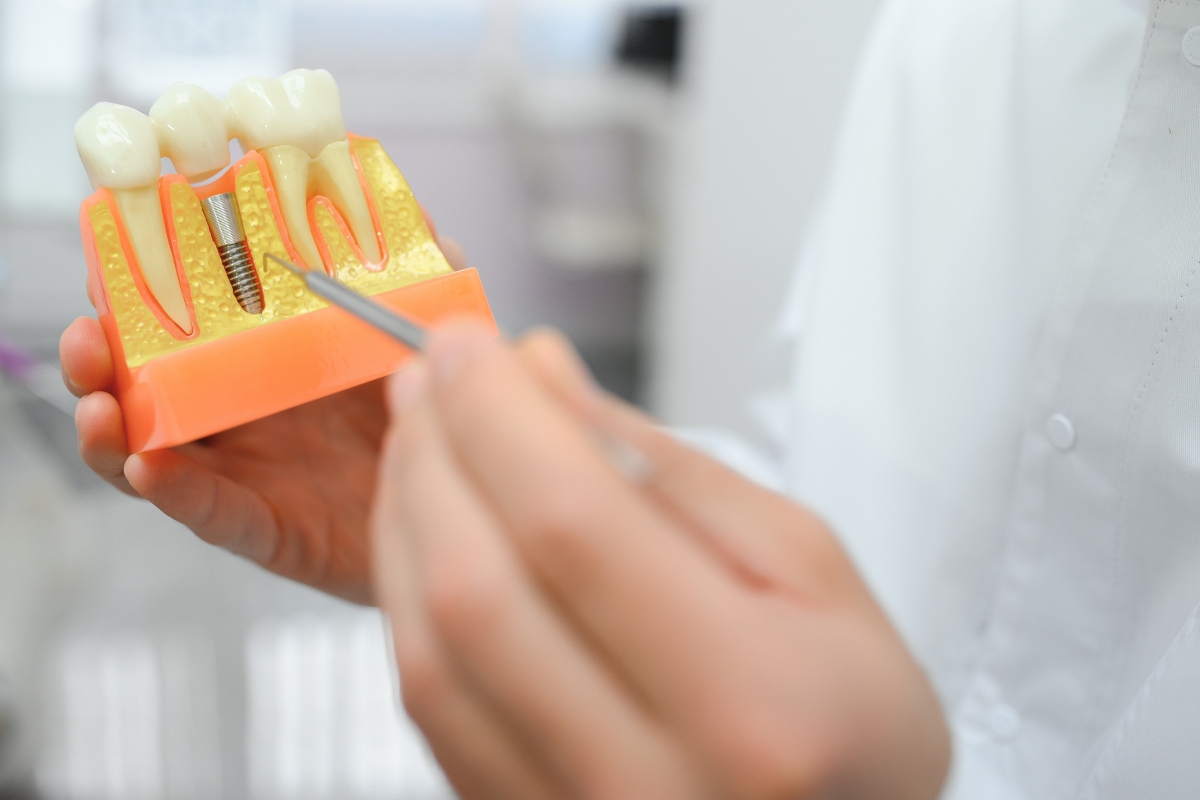
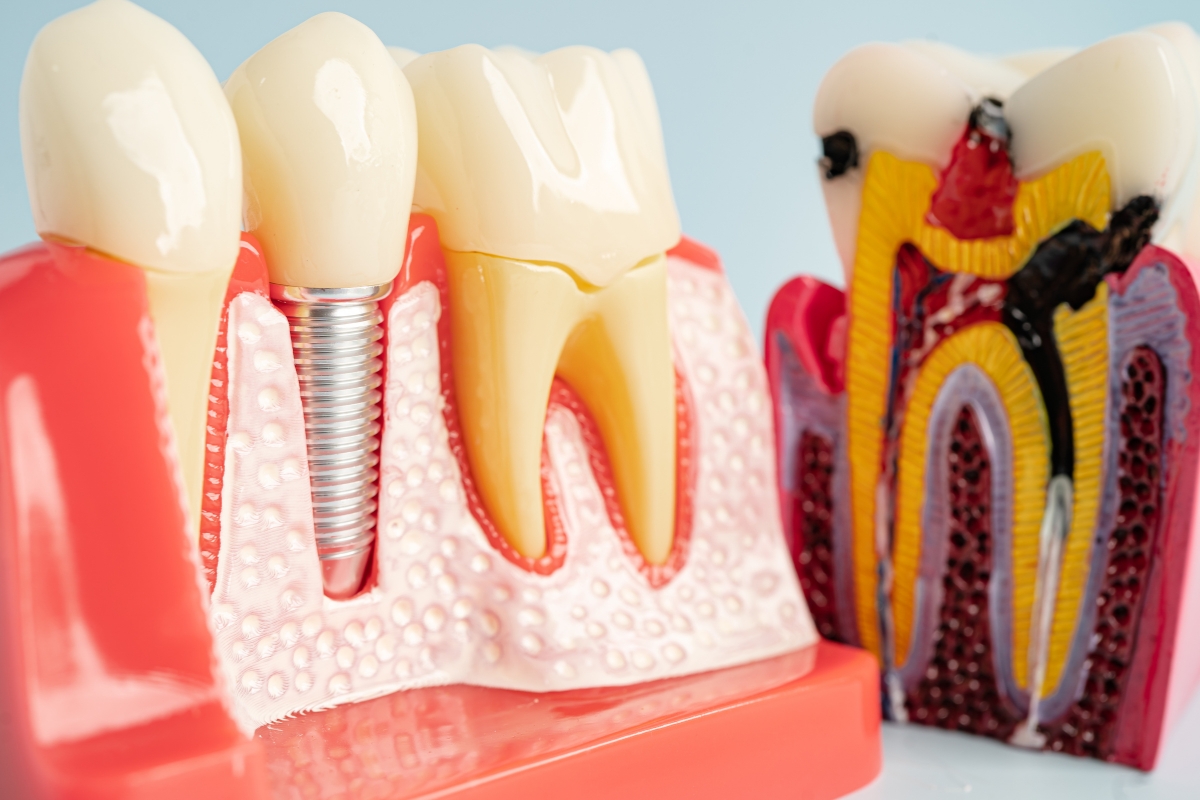
During the procedure, your dentist places a small titanium post into your jawbone where the tooth root used to be. This post will eventually serve as the anchor for your new tooth. The surgery itself usually takes less time than most patients expect, often completed within an hour or two depending on how many implants are being placed.
Some mild swelling or soreness afterward is normal, similar to what you might feel after a tooth extraction. Most patients manage this comfortably with over-the-counter pain relief and the aftercare instructions provided by our team.
Step Four: Healing and Osseointegration
After placement, your body needs time to heal around the implant. During this period, called osseointegration, the jawbone naturally fuses to the titanium post, creating a strong and stable foundation. This process typically takes a few months, though the exact timeline varies from patient to patient.
While you wait, you may be given a temporary tooth replacement so your smile and bite function stay intact. Regular checkups during this period allow your dentist to monitor healing and make sure everything is progressing as expected.
Step Five: Attaching the Abutment
Once healing is complete, a small connector piece called an abutment is attached to the implant. This piece links the implant post to your final crown. Placing the abutment is a quick and minimally invasive step, often requiring only a short appointment.
Step Six: Placing Your Custom Crown
The final step is the part most patients look forward to most. Your dentist attaches a custom-made crown, designed to match the color, shape, and size of your natural teeth. The result is a replacement tooth that looks natural and functions just like the rest of your smile.
From here, caring for your implant is simple. Brushing, flossing, and regular dental visits keep it functioning well for years to come.
What Recovery Really Feels Like
Many patients are surprised by how manageable implant recovery is. Most people return to normal activities within a few days, sticking to softer foods early on before gradually returning to their regular diet. Mild discomfort is common in the first day or two but typically fades quickly with proper care.
Your dentist will provide specific aftercare instructions based on the number of implants placed and your individual healing needs, so you always know exactly what to expect at each stage.
Why Choose an Experienced Implant Dentist in San Diego
Not all implant experiences are the same, and the skill of your dental team makes a real difference in both comfort and long-term results. Our San Diego dentist, Dr. David Chotiner, and our team use 3D imaging and precision-guided placement to ensure your implants are positioned accurately for a natural look and lasting function.
We also take time to explain each step clearly, answer your questions, and help you feel calm and informed throughout the process. Whether you need a single implant or a full arch restoration, our goal is a smile that feels as good as it looks.
Ready to Take the First Step
If you are missing one or more teeth and want a permanent, natural-looking solution, dental implants may be the answer you have been looking for. The process is more comfortable and predictable than most people expect, and the results can last a lifetime with proper care.
Call our dental office today or book your implant consultation online. Our San Diego implant dentist team is ready to help you take the first step toward a complete, confident smile.
Frequently Asked Questions
Is dental implant surgery painful?
Most patients experience minimal discomfort during surgery thanks to local anesthesia. Mild soreness afterward is normal and manageable with standard pain relief.
How long does the entire implant process take?
The timeline varies, but most patients complete the process within a few months, largely due to the healing time needed for osseointegration.
Am I a candidate for dental implants?
Most adults with good oral health and adequate jawbone density are candidates. If bone loss is a concern, a bone graft can often make implants possible.
How long do dental implants last?
With good oral hygiene and regular checkups, dental implants can last for decades, making them one of the most durable tooth replacement options available.
Will my dental insurance help cover implants?
Many plans offer partial coverage, especially when implants restore function. Our team reviews your benefits and outlines flexible payment options if needed.
What should I eat after implant surgery?
A soft food diet is recommended for the first few days, gradually returning to your normal diet as the site heals.