1230 Columbia St. Suite 870 San Diego, CA 92101

By Coastal Dental Arts | July 10, 2026
If you’ve been researching a dental implant in San Diego and your dentist mentioned you might need a bone graft first, you’re probably feeling a little caught off guard. Maybe you thought you’d just schedule the implant and be done with it. Instead, you’re hearing new terms like “bone density,” “grafting material,” and “healing period,” and wondering if this is really necessary or just an upsell.
At Coastal Dental Arts, we hear this question almost every week from patients throughout San Diego and the surrounding communities. The honest answer is this: a bone graft isn’t about adding an extra step for the sake of it. It’s about giving your implant the strongest possible foundation so it lasts for decades, not years. Let’s walk through exactly why this happens, who needs it, and what the process actually looks like.
Understanding Why Jawbone Matters for Dental Implants
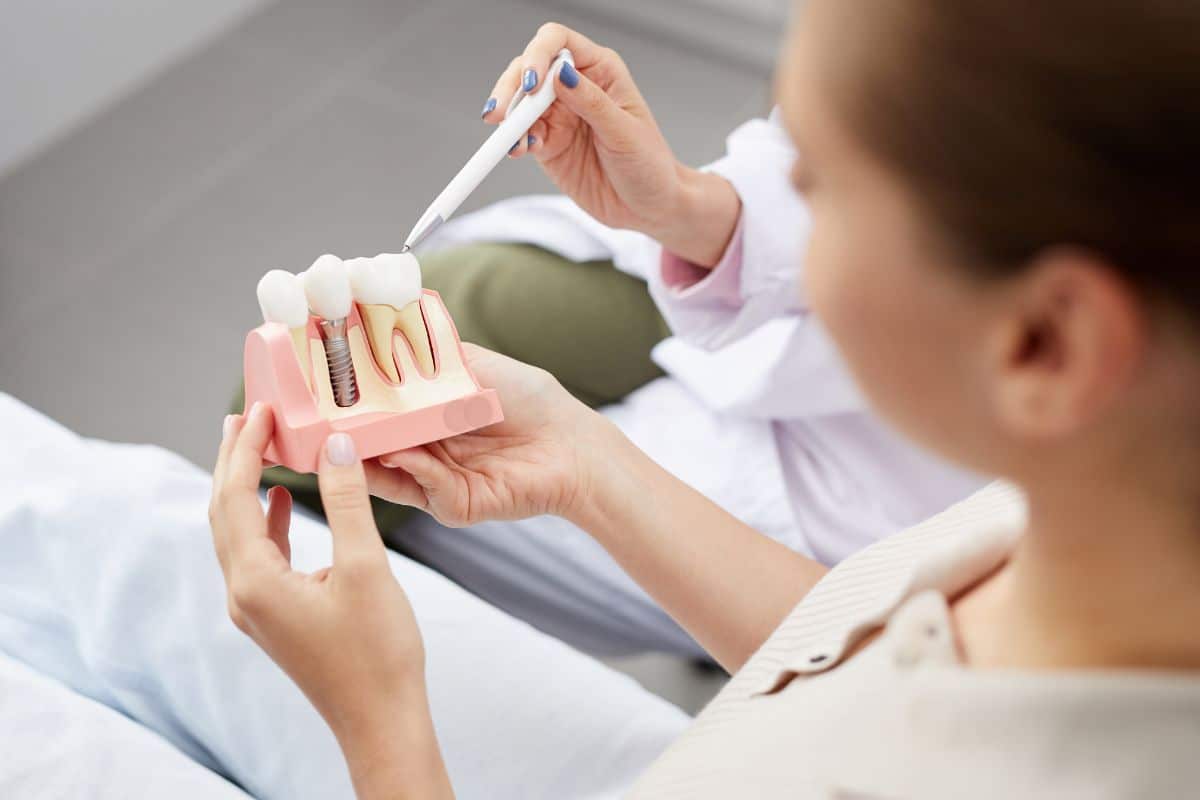
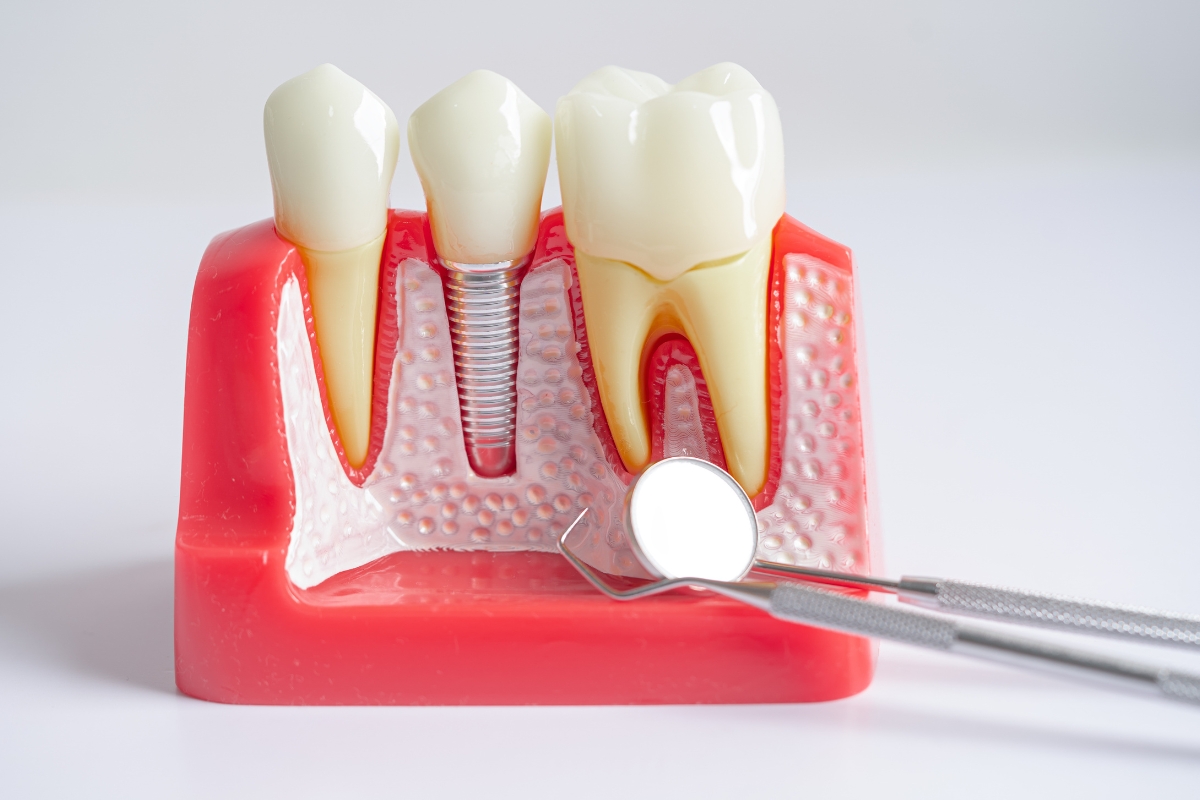
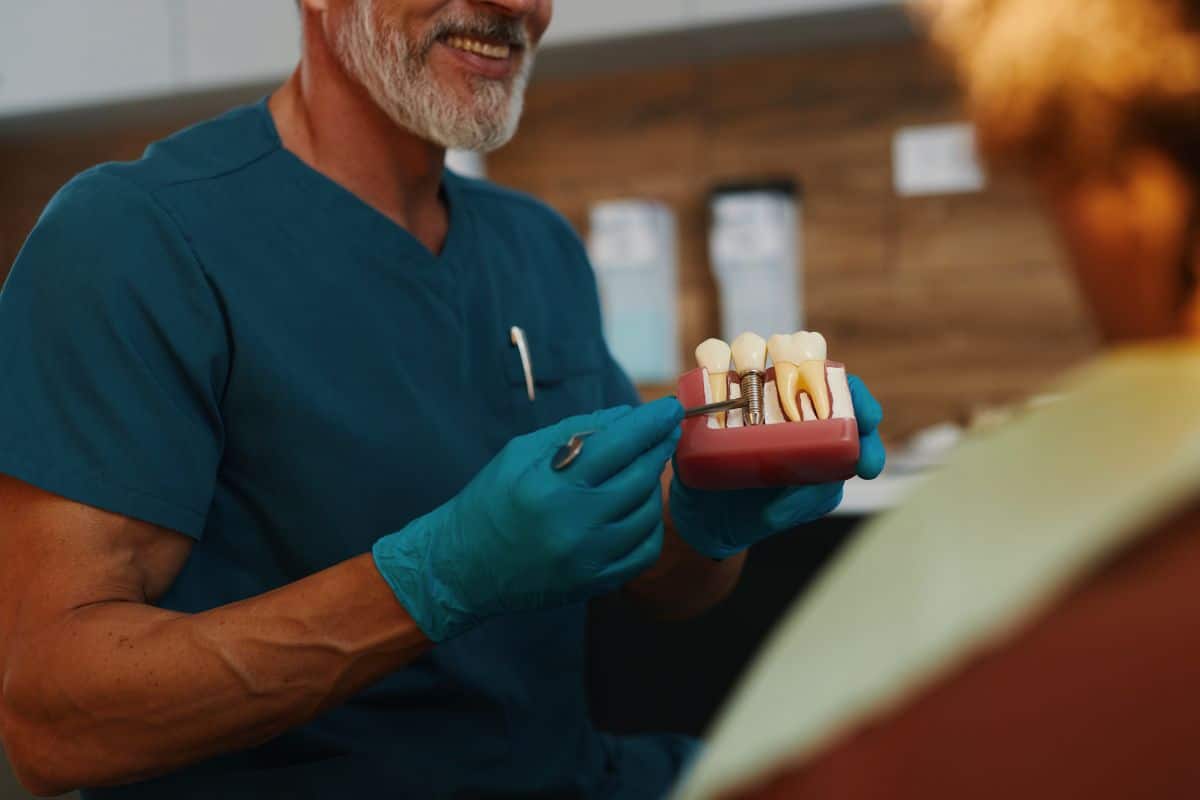
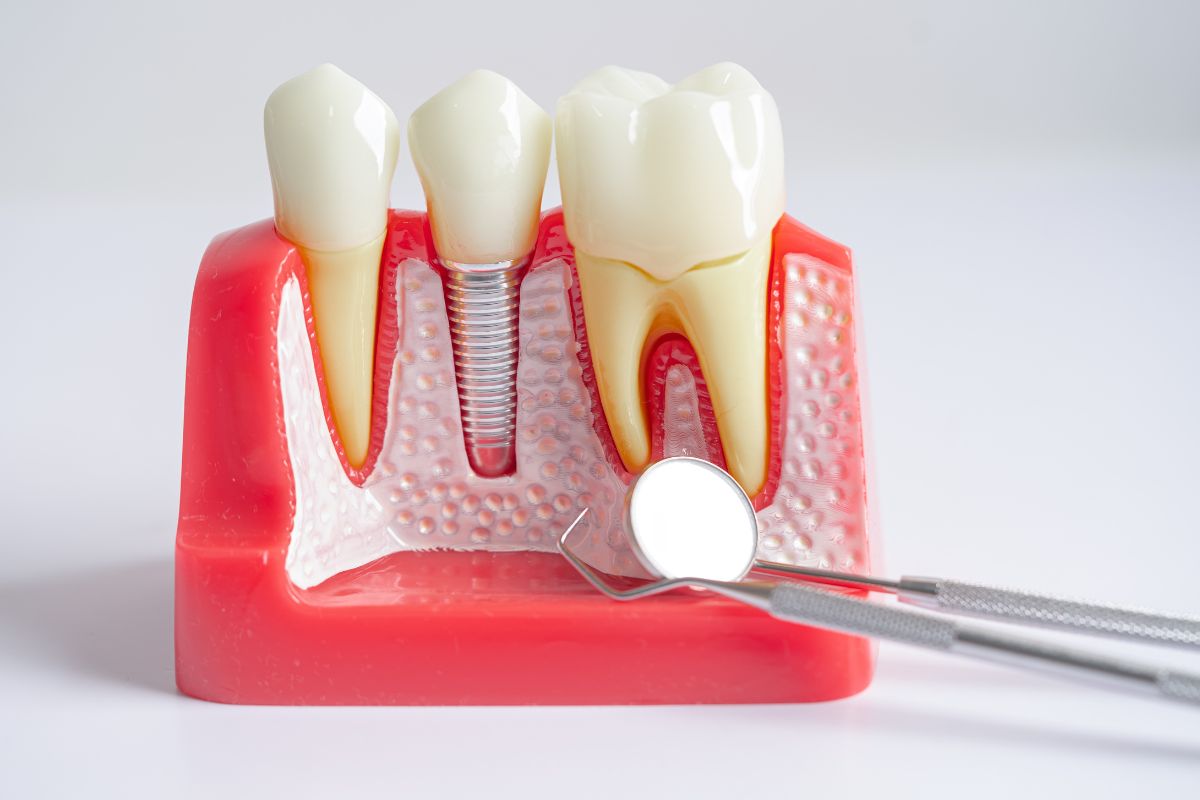
A dental implant isn’t like a crown or a bridge that simply sits on top of your gums. It’s a titanium (or zirconia) post that gets surgically placed into your jawbone, mimicking the root of a natural tooth. For that post to function properly — chewing, biting, speaking it needs to fuse securely with the surrounding bone through a process called osseointegration.
Think of it like planting a fence post. If the soil is loose, sandy, or too shallow, the post wobbles and eventually fails. If the soil is dense and deep enough, the post stands firm for years. Your jawbone works the same way.
In short: implants need a certain volume and density of healthy bone to succeed. When that bone isn’t there, a graft rebuilds it.
What Causes Jawbone Loss in the First Place?
This is usually the part patients find most surprising — bone loss often happens silently, long before anyone notices a problem. Common causes include:
- Tooth loss or extraction — Once a tooth is gone, the jawbone in that area no longer receives the stimulation it needs and begins to resorb (shrink) within months.
- Periodontal (gum) disease — Chronic infection breaks down both gum tissue and the underlying bone that supports your teeth.
- Long-term denture wear — Dentures rest on the gums rather than stimulating the bone, which accelerates bone loss over time.
- Trauma or injury — A sports injury, car accident, or facial trauma can damage or fracture the jawbone.
- Untreated infections or abscesses — These can erode bone in a localized area.
- Natural aging — Bone density gradually declines for everyone, though the rate varies significantly from person to person.
If you’ve been missing a tooth for a year or more, there’s a good chance some degree of bone loss has already occurred even if you can’t see or feel it.
How Do I Know If I Need a Bone Graft?
You won’t be able to tell just by looking in the mirror. Bone volume is assessed using diagnostic imaging, typically a cone-beam CT (CBCT) scan, which gives your dentist a precise 3D view of your jawbone’s height, width, and density.
During your consultation, we’ll evaluate:
- Bone height — Is there enough vertical bone to anchor the implant securely?
- Bone width — Is the ridge wide enough to support the implant without fracturing?
- Bone density — Is the bone quality strong enough to bond with the implant over time?
- Proximity to nerves and sinuses — Especially important for upper back teeth, where the sinus cavity can limit available bone.
If any of these measurements fall short of what’s needed for a stable, long-term implant, a bone graft will typically be recommended before or sometimes during implant placement.
Types of Bone Grafts Used Before Dental Implants
Not every bone graft is the same, and the right type depends on your specific anatomy and how much bone needs to be rebuilt.
Socket Preservation Graft
Performed immediately after a tooth extraction, this graft fills the empty socket to prevent the surrounding bone from collapsing while you heal, often eliminating the need for a larger graft later.
Ridge Augmentation
Used when the jawbone has narrowed or flattened over time, this technique rebuilds the width and shape of the ridge so it can properly support an implant.
Sinus Lift (Sinus Augmentation)
For implants in the upper back jaw, the sinus cavity sometimes sits too close to the available bone. A sinus lift gently raises the sinus floor and adds bone material underneath it, creating the space needed for a secure implant.
Block Bone Grafting
In cases of more significant bone loss, a small block of bone (from your own body, a donor source, or a synthetic material) is secured to the jaw to rebuild larger areas of missing structure.
Key takeaway: the type of graft you need depends entirely on where your bone loss is and how severe it is, which is why an individualized evaluation matters so much.
What Does the Bone Grafting Process Actually Involve?
Here’s a general timeline, though your case may vary:
- Consultation and imaging — A CBCT scan and oral exam determine exactly how much bone is needed.
- The grafting procedure — Performed under local anesthesia (and sedation options if you prefer), the graft material is placed in the treatment area, usually taking 45–90 minutes.
- Initial healing (1–2 weeks) — Mild swelling and soreness are normal and manageable with over-the-counter or prescribed medication.
- Bone integration (3–9 months) — This is the part that surprises most patients. Your body needs time to grow new bone into and around the graft material. Smaller grafts may heal faster; larger ridge or sinus grafts take longer.
- Follow-up imaging — Once we confirm adequate bone density and volume, you’re ready to move forward with implant placement.
We know waiting several months can feel frustrating when you’re eager to complete your smile. But this healing window is precisely what allows the implant to succeed long-term rather than risk failure down the road.
Does a Bone Graft Guarantee Implant Success?
No single step “guarantees” anything in medicine or dentistry, but bone grafting dramatically improves the odds of long-term implant success. Research consistently shows that implants placed in adequately grafted, healed bone have significantly higher survival rates than those placed in insufficient bone.
Skipping a necessary graft even when it seems tempting to save time or money often leads to:
- Implant instability or mobility
- Bone recession around the implant
- Visible gum recession or an unnatural appearance
- Implant failure requiring removal and starting over
In our experience treating patients across San Diego County, taking the time to build a solid foundation almost always pays off in comfort, function, and confidence for years to come.
Are There Alternatives to Bone Grafting?
In some cases, yes. Depending on your anatomy, options like short implants, angled implant placement, or zygomatic implants (anchored in the cheekbone rather than the jaw) may allow us to avoid grafting altogether. These techniques aren’t right for everyone, but they’re worth discussing if you’re hoping to minimize treatment time.
The best way to know which path fits your situation is a thorough evaluation of your dental surgery and implant solutions with a clinician who can walk you through the imaging, your goals, and your timeline in plain language.
What This Means for Your Smile and Your Timeline
We understand that hearing “you need a bone graft” can feel like a detour. But we’d rather be transparent with you upfront than rush a procedure that’s likely to fail. Every patient’s mouth tells a different story, and our job is to read that story accurately before we recommend a treatment plan.
If you’re missing a tooth and considering implants, here’s our honest advice: the sooner you’re evaluated, the more options you’ll likely have. Bone loss is progressive, meaning it tends to worsen the longer a tooth remains missing. Addressing it early sometimes even at the time of extraction, can reduce or eliminate the need for extensive grafting later.
Schedule Your Personalized Consultation at Coastal Dental Arts
Every mouth is different, and the only way to know exactly what your smile needs is a hands-on evaluation with imaging to match. At Coastal Dental Arts in San Diego, we take the time to explain your bone structure, your options, and your realistic timeline. No guesswork, no pressure, just clear answers.
If you’re in San Diego or anywhere nearby and you’re ready to explore whether you need a bone graft or you simply want a second opinion on your implant plan, we invite you to come see us. Call our San Diego office to schedule your one-on-one consultation, and let’s build a plan that’s right for your smile.