1230 Columbia St. Suite 870 San Diego, CA 92101

By Coastal Dental Arts | January 15, 2026
If you’re missing teeth, you’re likely looking for a solution that offers both functionality and aesthetic appeal. Dental implants are a popular choice for many individuals seeking a long-term, reliable solution to restore their smile. Unlike dentures or bridges, these restorations provide a permanent and natural-looking replacement for missing teeth. But how does the procedure work, and what should you expect throughout the process?
In this blog, we’ll walk you through each step of the implant procedure, providing insight into what happens before, during, and after the treatment. We’ll also cover different types of implants, from single-tooth to full-mouth options, to help you understand which option best fits your needs. Let’s dive into how tooth implants can transform your smile and improve your quality of life.
What Are Dental Implants?
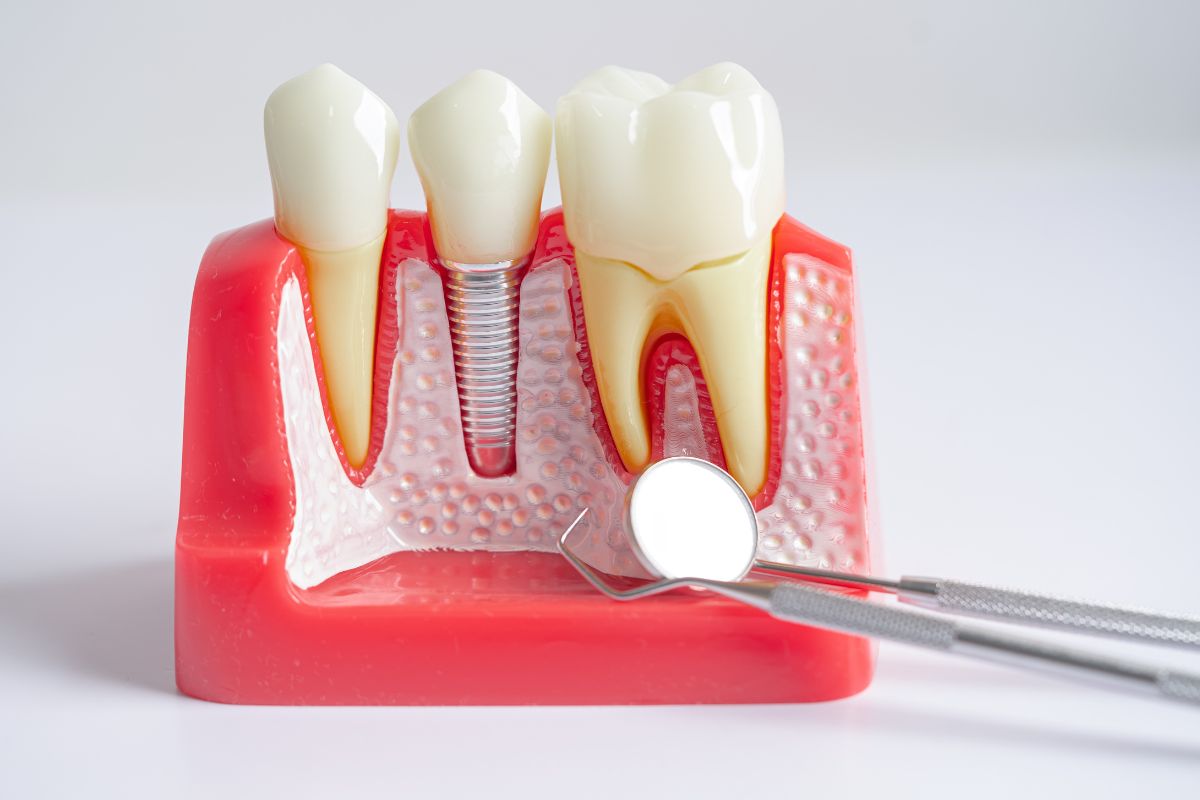
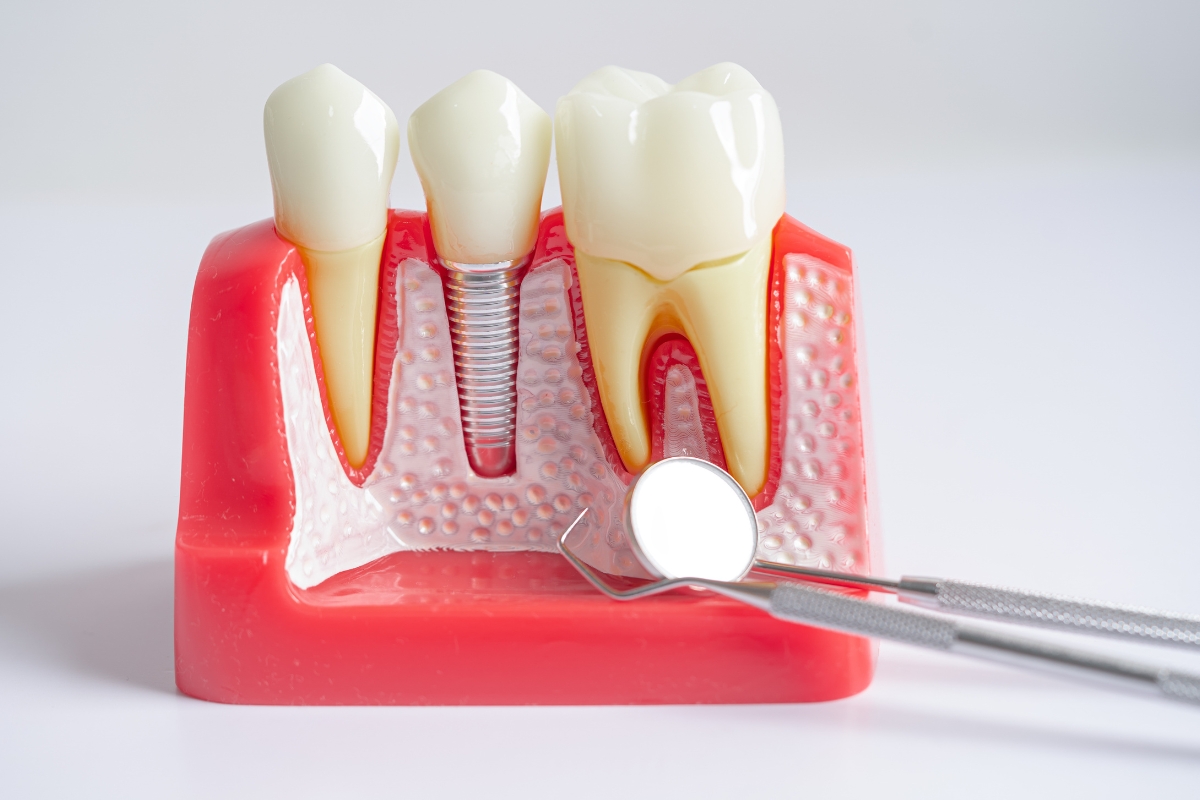
They are small titanium posts surgically placed in the jawbone to replace missing or damaged teeth. They act as artificial tooth roots, providing a stable foundation for a replacement tooth, bridge, or denture. These restorations are a permanent solution for missing teeth and offer several benefits, including improved functionality, comfort, and appearance. If you want to know more about implants before booking your consultation, check out this related blog: Dental Implants in San Diego: What Patients Should Know Before Booking.
Step 1: Initial Consultation and Examination
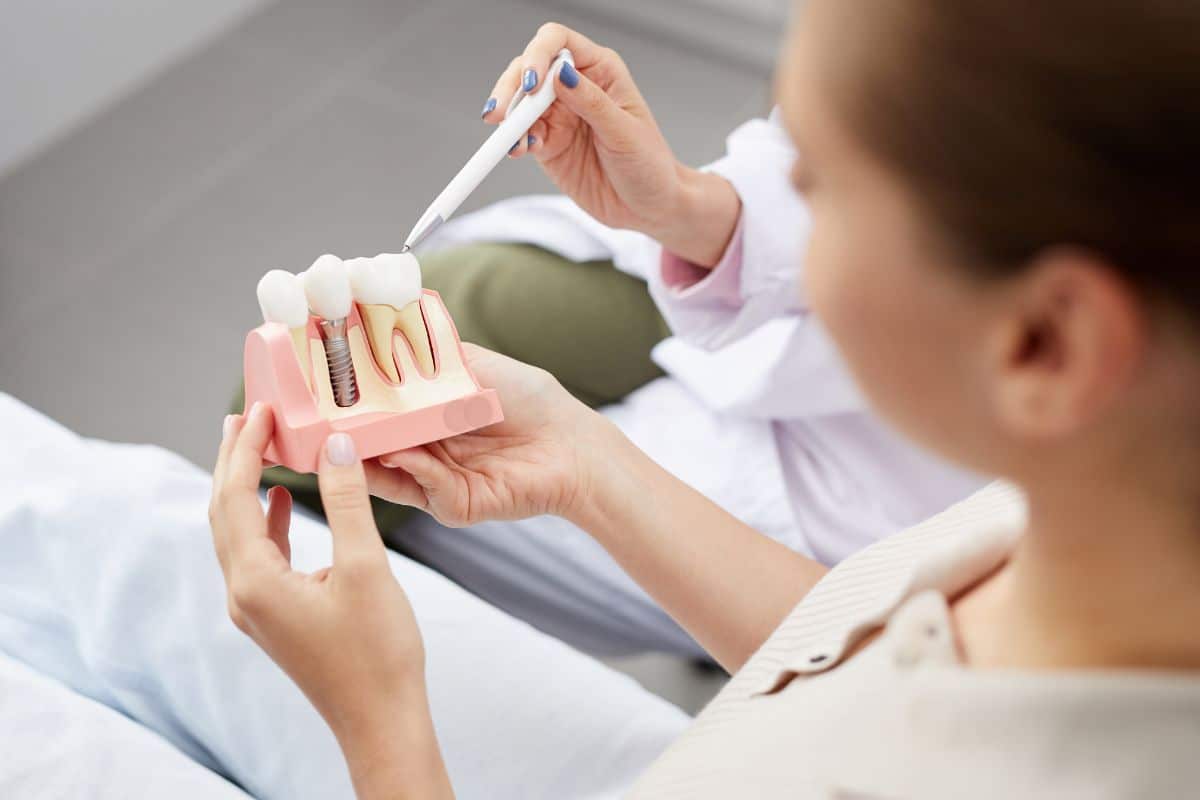
The first step in the implant process is a consultation with your dentist. During this appointment, your dentist will evaluate your oral health and take X-rays to determine if tooth implants are right for you. This is also when your dentist will discuss your medical history and any other relevant factors that may affect the procedure.
What Happens During the Consultation:
- Your dentist will perform a thorough examination of your gums, teeth, and jawbone.
- They will take digital X-rays or 3D scans to evaluate your bone structure and determine the best placement for the implant.
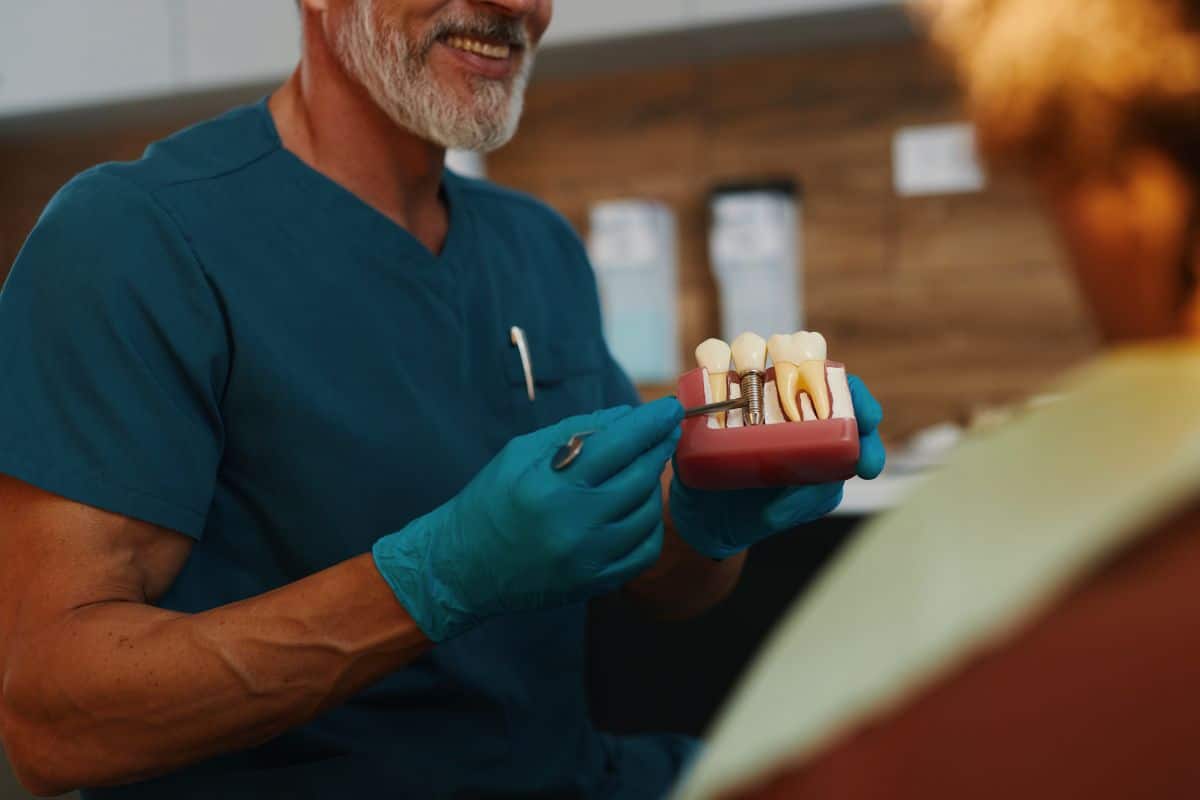
- A treatment plan will be created based on your needs, and your dentist will explain the procedure, expected outcomes, and any potential risks.
If you’re a candidate for dental implants in San Diego, your dentist will proceed with the next steps in the process.
Step 2: Surgical Placement of the Implant
Once your consultation is complete, the next step is the surgical placement of the implant. This procedure is typically performed under local anesthesia to keep you comfortable throughout. In some cases, sedation may be used if you feel anxious about the procedure.
What to Expect:
- The surgeon will create a small incision in your gums to access the jawbone.
- A titanium post (the dental implant) will be placed into the jawbone.
- After the implant is securely in place, your gums will be stitched up to begin the healing process.
It’s essential to follow your dentist’s aftercare instructions carefully to ensure a smooth recovery. This stage of the process may take several months to heal fully, as the implant integrates with the jawbone through a process called osseointegration.
Step 3: Healing and Osseointegration
After the implant is placed, your body begins osseointegration, in which the bone fuses with the titanium post. This step can take anywhere from 3 to 6 months, depending on your individual healing rate. During this period, you may wear a temporary crown or restoration to maintain your appearance and help you chew comfortably.
What to Do During the Healing Phase:
- Follow all post-operative care instructions, including diet and activity recommendations.
- Avoid excessive pressure on the implant site to promote proper healing.
- Schedule regular check-ups with your dentist to monitor progress and ensure everything is healing properly.
Once osseointegration is complete, the implant is securely anchored into your jawbone, ready to support a permanent restoration.
Step 4: Placing the Abutment
After the implant has fully fused with the jawbone, a second procedure is needed to place the abutment. The abutment is a small connector piece that attaches to the top of the implant and holds the final restoration (crown, bridge, or denture) in place.
What to Expect During Abutment Placement:
- Your dentist will expose the top of the implant by making a small incision in the gum.
- The abutment will be attached to the implant, and the gums will be sutured around it.
- You may need a few weeks of healing time for your gums to adjust to the abutment.
Step 5: Attaching the Permanent Restoration
Once the abutment has healed and your gums are ready, the final step is to place the permanent restoration. This can be a crown for a single implant, a bridge for multiple missing teeth, or a full denture for those with significant tooth loss.
What to Expect:
- Your dentist will take impressions of your mouth to create a custom-made restoration that fits your implant perfectly.
- The restoration will be attached to the abutment, and any necessary adjustments will be made for a comfortable fit.
With the final restoration in place, you’ll be able to eat, speak, and smile with confidence, knowing your new teeth function just like natural ones.
Types of Dental Implants: Choosing What’s Right for You
There are different types of implants depending on how many teeth you need to replace. The most common types include:
- Single Tooth Implants: These are ideal if you’re missing just one tooth. A single titanium post supports one crown to restore your smile.
- Multiple Implants: If you’re missing several teeth in a row, multiple implants can be placed to support a bridge.
- All-on-4 Implants: This solution is ideal for patients who have lost most or all of their teeth. Four implants are strategically placed in the jaw to support a full set of teeth.
- Full Mouth Implants: If you’re missing all of your teeth, full mouth implants provide a complete restoration, giving you a natural-looking, functional smile.
Depending on your needs and preferences, your dentist will recommend the most suitable implant solution.
Why Choose Coastal Dental Arts for Your Implants?
Choosing the right dental practice for your dental implants in San Diego is crucial to ensuring a successful procedure and a beautiful, functional smile. At Coastal Dental Arts, Dr.
David Chotiner and our expert team provide personalized care throughout your dental implant journey, ensuring you receive the best treatment from start to finish.
Book an appointment today with Dr. David Chotiner to learn more about how tooth implants can restore your smile and improve your quality of life.
Frequently Asked Questions
What are dental implants?
Dental implants are titanium posts surgically placed in the jawbone to replace missing teeth. They provide a secure foundation for crowns, bridges, or dentures.
How long does the dental implant procedure take?
The entire dental implant process can take several months due to the healing time required for the implant to fuse with the jawbone. Each phase is carefully planned to ensure optimal results.
Are dental implants painful?
The procedure is typically performed under local anesthesia, so you shouldn’t feel pain during the surgery. Afterward, some discomfort may occur, but it can usually be managed with over-the-counter pain medications.
How long do dental implants last?
With proper care, implants can last a lifetime. Regular oral hygiene and routine dental visits help ensure their longevity.
Can anyone get dental implants?
Most people are candidates for tooth implants if they have good oral health and sufficient jawbone to support the implant. Your dentist will evaluate your suitability for implants during your consultation.