1230 Columbia St. Suite 870 San Diego, CA 92101

By Coastal Dental Arts | March 11, 2026
Most patients often choose dental implants since they offer long-lasting results. Unlike dentures, which often need adjustments or replacements over time, restorations offer a long-term solution to missing teeth. However, their lifespan depends on various factors, including your oral hygiene, jawbone health, and lifestyle choices. Living in this city, with its beautiful beaches like Mission Beach and vibrant culture, makes life with prosthetic teeth exciting. Whether you’re enjoying the local food scene or attending one of the city’s many festivals, you’ll want to feel confident with your smile. The pleasant climate also contributes to an overall healthy lifestyle, which is important for the durability of your restorations. Just as historic gem Balboa Park brings beauty and vibrancy to the city, dental implants bring lasting strength and confidence to your smile. If you’re considering dental implants in San Diego, you might be wondering how long they’ll last. In this post, we’ll discuss what affects their longevity and what you can do to ensure their long-term success.
What Are Dental Implants?
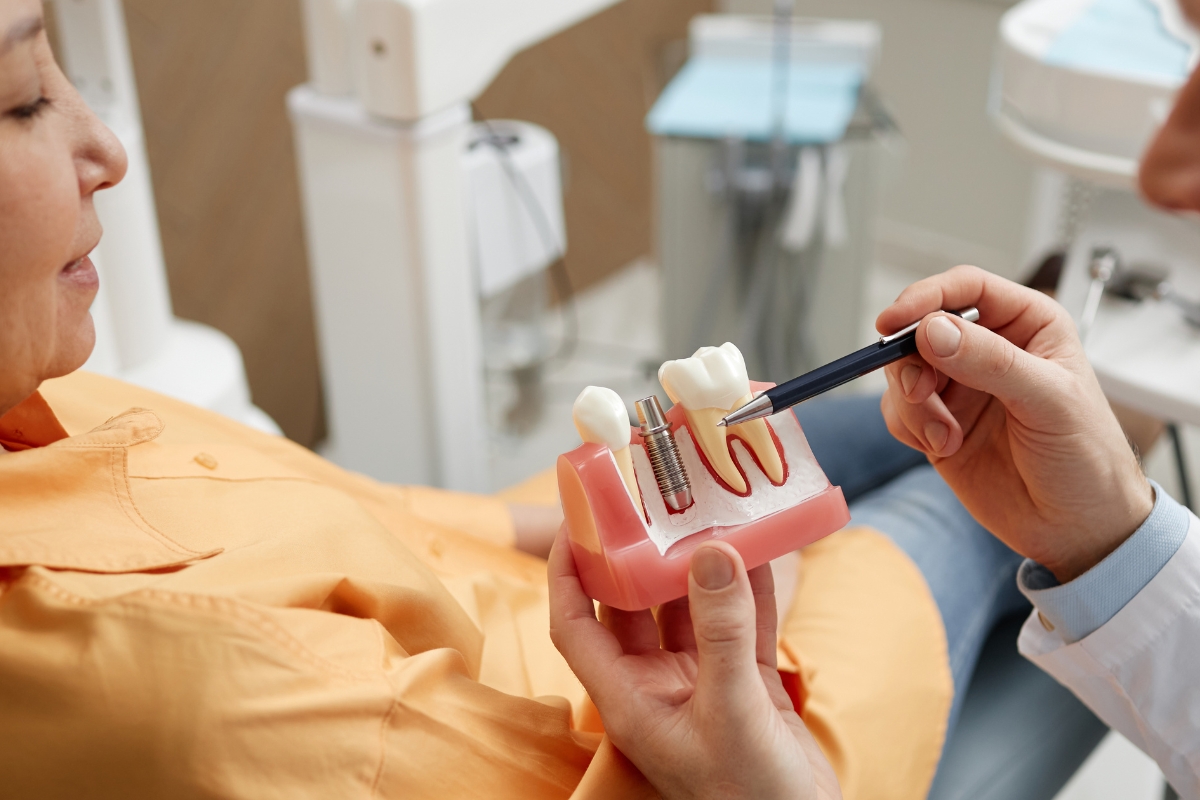
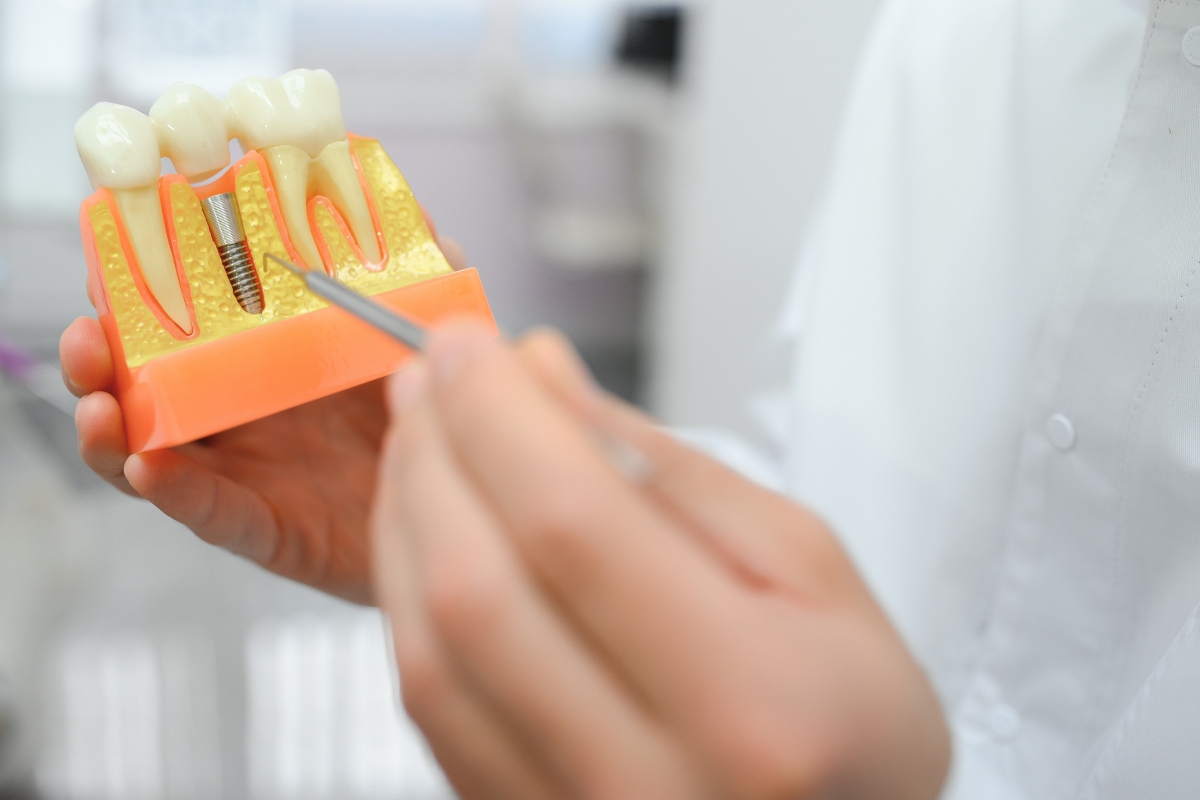
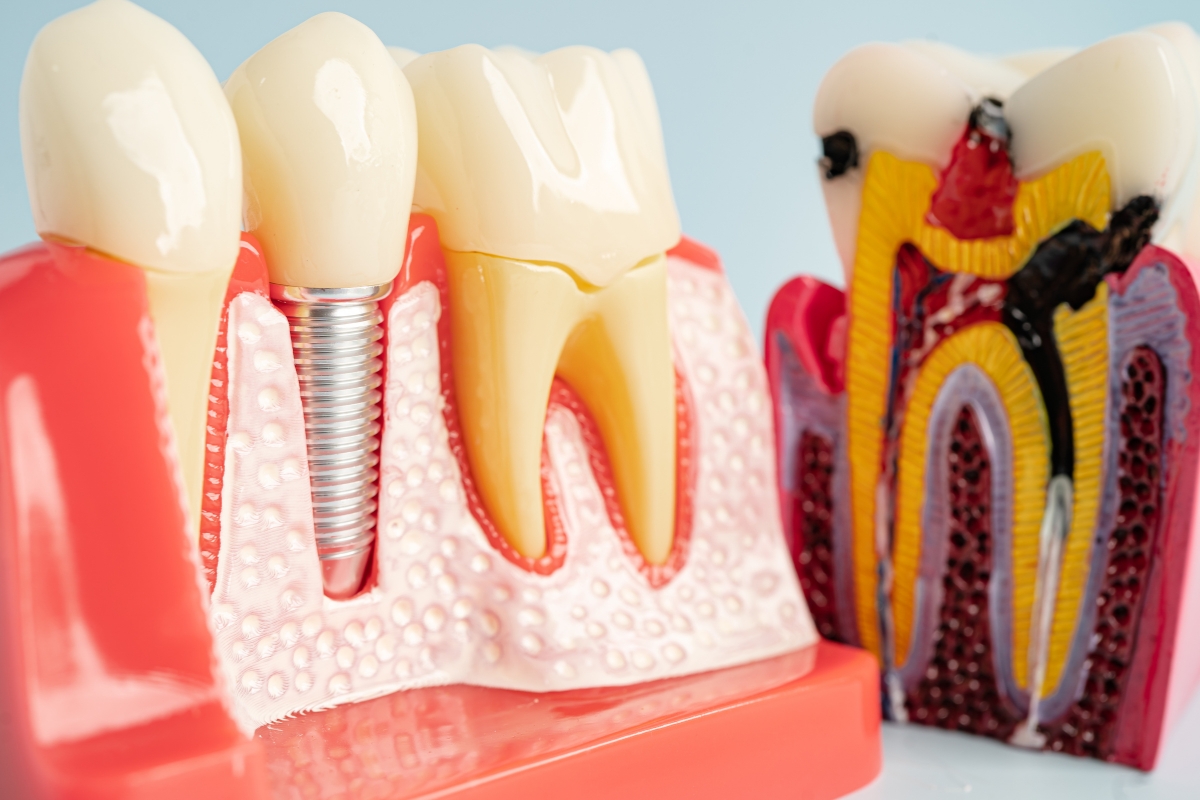
Dental implants are titanium posts surgically inserted into the jawbone. They act as a replacement for the root of a missing tooth. Over time, the bone fuses with the implant, creating a strong foundation for a crown, bridge, or denture.
Average Lifespan of Dental Implants
On average, dental implants can last anywhere from 25 years to a lifetime with proper care. However, this lifespan can vary depending on several factors, including your oral health, lifestyle habits, and the skill of your dentist.
Key Factors That Affect the Lifespan of Your Implants
Prosthetic teeth typically last about 25 years or more, though various factors can affect their durability. Here’s a simple breakdown:
Oral Hygiene
Taking good care of your implants with regular cleaning, including brushing, flossing, and professional check-ups, really helps keep them healthy and lasting longer. Skipping these steps can cause plaque buildup, which might lead to infections or gum inflammation near your restorations. Remember, a little ongoing effort goes a long way in protecting your beautiful smile!
Lifestyle Choices
Having habits like smoking or drinking too much alcohol can affect how well your dental restorations turn out. Smoking can especially lessen blood flow to your gums, making it harder for your gums to heal and increasing the chances of gum problems.
Diet and Nutrition
Eating a balanced diet full of vitamins and minerals not only benefits your overall oral health but can also help make your prosthetic teeth last longer. Try to be cautious with sugary foods and acidic drinks, as they might weaken your restorations over time.
Regular Check-Ups
Scheduling regular visits to your dentist for check-ups and professional cleanings is really important. Your dentist will carefully examine your implants and ensure everything is working perfectly. Catching any potential issues early can really help extend the life of your prosthetic teeth.
What You Can Do to Extend the Lifespan of Your Implants
By taking good care of your prosthetic teeth, you can expect them to last a long time. Here’s how you can ensure their longevity:
- Brush and floss regularly to remove plaque.
- Avoid smoking and excessive alcohol consumption.
- Eat a healthy, balanced diet to support oral and bone health.
- Wear a mouthguard if you grind your teeth, especially during sleep.
- Visit your dentist regularly for check-ups and cleanings.
By following these simple steps, you can maximize the lifespan of your restorations and enjoy a healthy smile for years to come.
Can Dental Implants Be Replaced?
In rare cases, a dental implant may need to be replaced if it fails or if the surrounding bone is compromised. However, with proper care, implants can last for decades.
The Benefits of Dental Implants
Dental implants offer many advantages. They provide a permanent solution for missing teeth and look and feel just like natural teeth. They also help preserve the jawbone and prevent further tooth loss.
Protect Your Dental Implants with Our Professional Care
At Coastal Dental Arts, we’re committed to providing dental restorations that last for years. Our team of professionals works with you to ensure your prosthetic teeth are not only functional but also aesthetic, helping you achieve a smile that suits your lifestyle. If you’re ready to restore your smile with San Diego dental implants, contact us today. Schedule a consultation with our team and get started on your journey toward a brighter, more confident smile.
Frequently Asked Questions (FAQs)
How long does it take for dental implants to fully heal?
Healing time varies between 3 and 6 months, depending on the individual. The prosthetic teeth must integrate with the jawbone, a process known as osseointegration.
Can prosthetic teeth get cavities?
No, dental restorations themselves do not get cavities. However, the surrounding gums and bone can still be affected by infections if proper care isn’t maintained, so it’s essential to keep up with your oral hygiene.
Are there any risks associated with dental restorations?
As with any surgical procedure, there are risks, including infection, nerve damage, or treatment failure. However, these risks are rare with proper care and a qualified dental professional.
What happens if my dental implants fail?
If a prosthetic tooth fails, it can be removed and replaced. Your dentist will guide you through the process and explore options to restore your oral health.
What can affect the success of dental restorations?
Factors such as smoking, poor oral hygiene, and insufficient jawbone can affect the success of your prosthetic teeth. Be sure to follow your dentist’s instructions and maintain a healthy lifestyle.