1230 Columbia St. Suite 870 San Diego, CA 92101

By Coastal Dental Arts | January 22, 2026
Periodontal (gum) disease is a common oral health issue that can range from mild to severe. If left untreated, it can lead to tooth loss, affecting your confidence and quality of life. If you’re living in America’s Finest City, with its year-round beautiful weather and outdoor activities, you want to make sure that your oral health is as strong as your lifestyle. Whether you’re enjoying a weekend at the beach or attending the San Diego County Fair, maintaining healthy gums is crucial to smiling confidently. Let’s explore the signs that indicate you may need periodontal treatment in San Diego and why it’s essential for your overall health.
What Is Periodontal Disease?
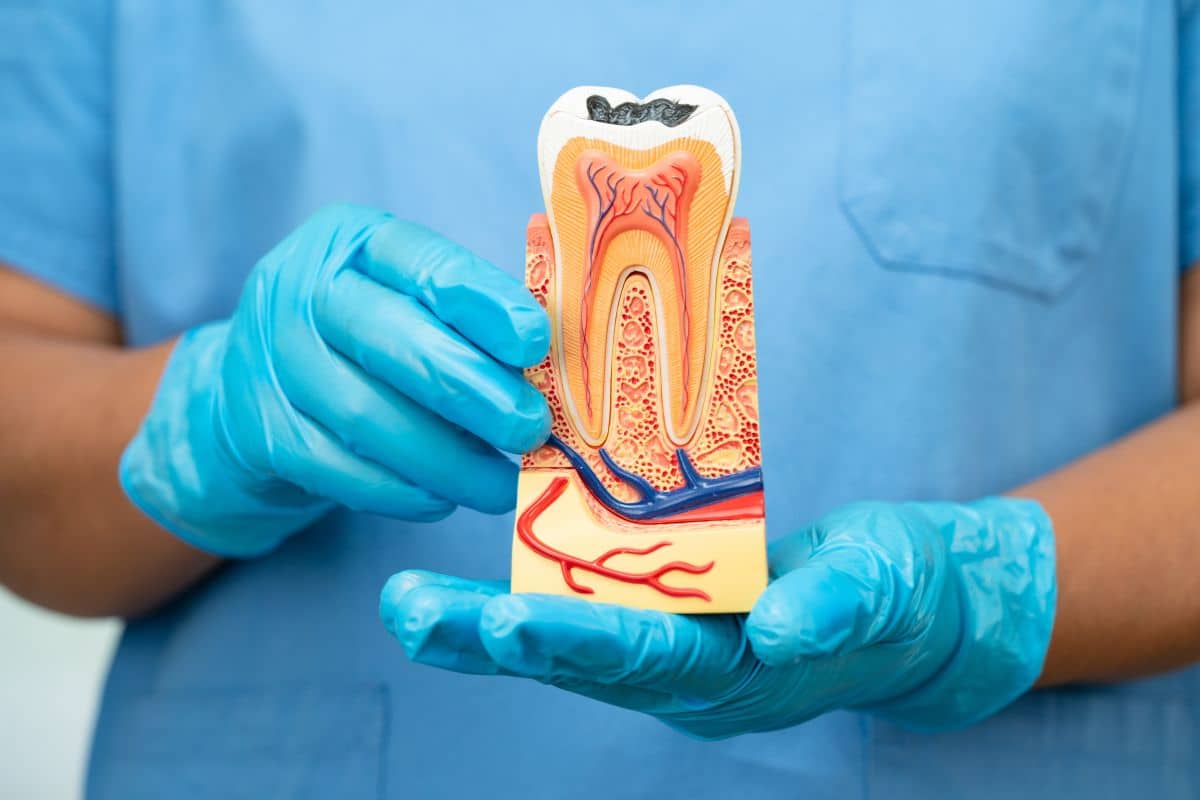
Gum disease, or periodontal disease, affects the gums and bones that support your teeth. It’s usually caused by plaque buildup, which turns into tartar and irritates the gums. Gingivitis in its early stage is reversible. But if left untreated, it can progress to periodontitis, a severe form that can lead to tooth loss. People with busy lifestyles may tend to overlook minor symptoms. However, early detection and treatment can prevent long-term damage to your gums.
How To Prevent Gum Disease?
Before you receive periodontal treatment in San Diego, you can help prevent it. Here’s what you can do to keep your gums healthy:
- Brush twice a day: Use fluoride toothpaste to clean your teeth and gums thoroughly.
- Floss daily: Flossing helps remove plaque and food particles from between your teeth and along the gumline, where your toothbrush can’t reach.
- Use mouthwash: An antibacterial mouthwash can help reduce plaque buildup and prevent gum disease.
- Regular dental checkups: Visit your local dentist every six months for professional cleanings and to catch issues early.
With a little effort, you can protect your gums and teeth from periodontal disease and keep your smile looking great.
Signs You May Need Periodontal Treatment
Here are some signs that you might need a treatment to protect your gums and teeth:
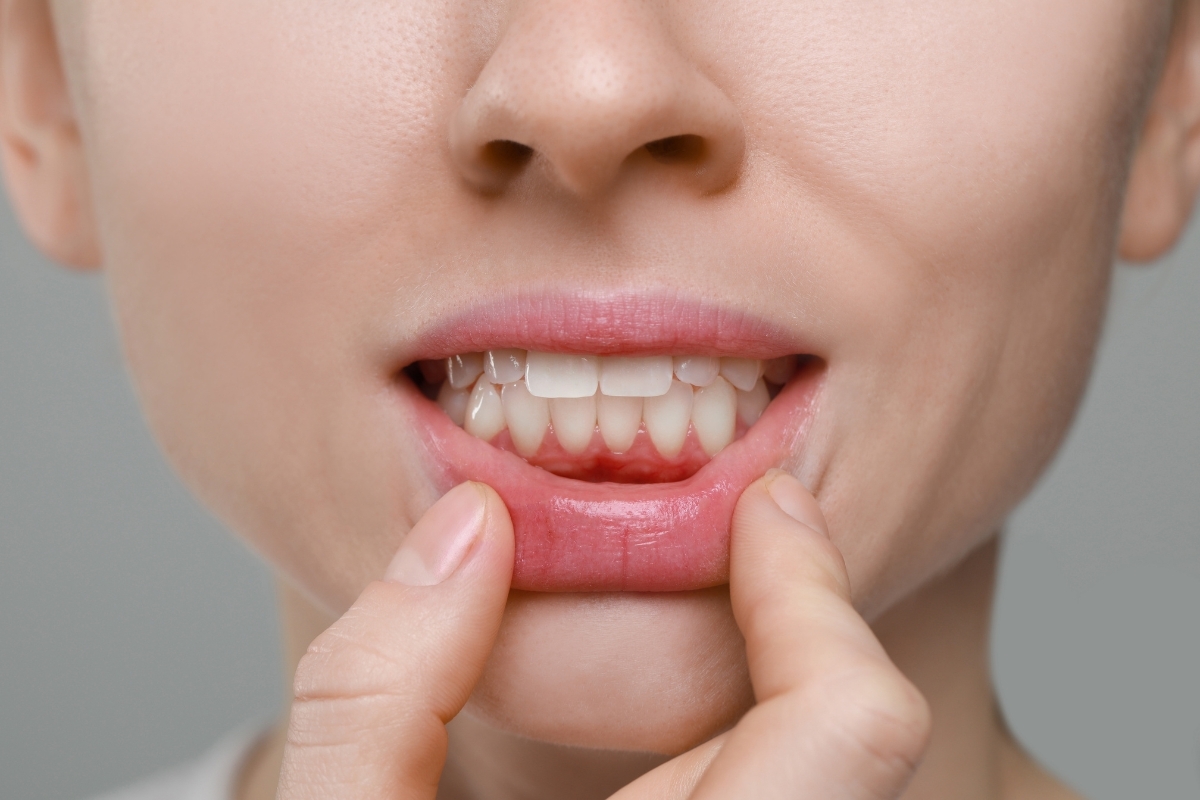
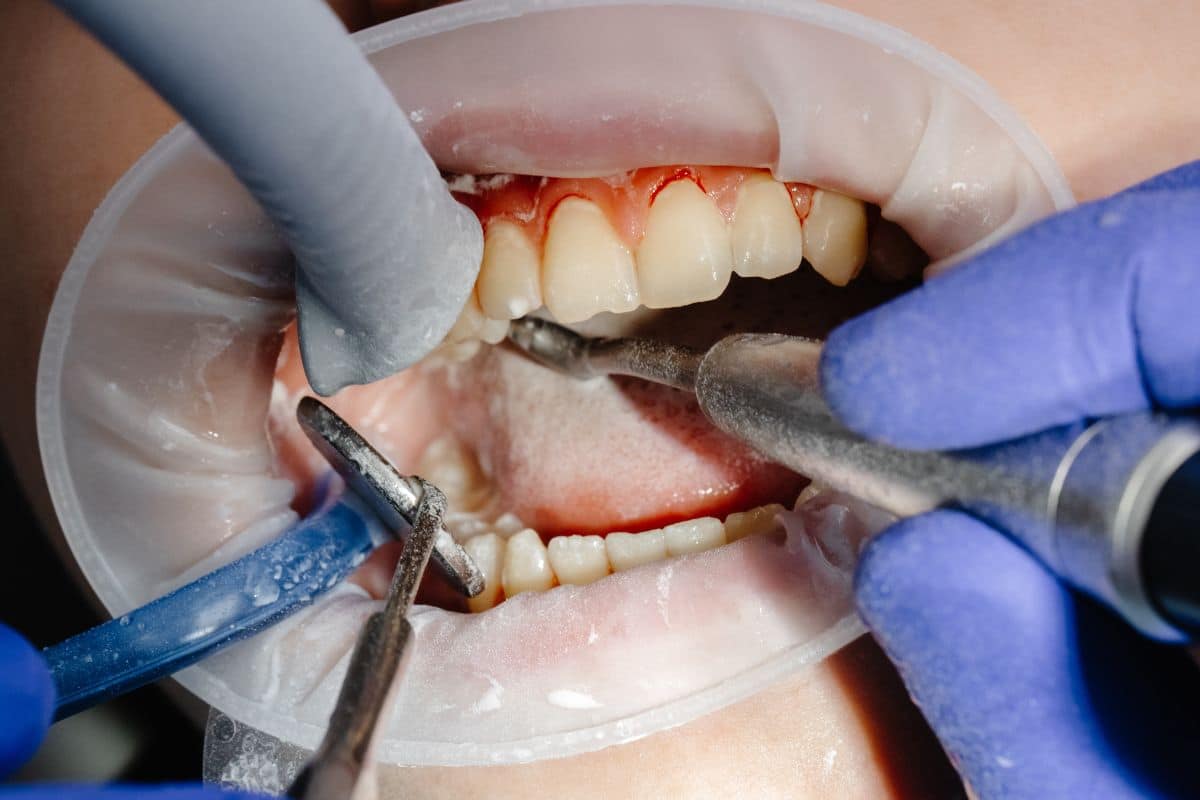
- Bleeding Gums: If you notice your gums bleed when brushing or flossing, it could be an early sign of gum disease. Healthy gums don’t bleed, and this symptom is often one of the first signs of irritation from plaque buildup.
- Bad Breath or Bad Taste: Persistent bad breath or an unpleasant taste in your mouth could indicate a gum infection. As the infection spreads, it can cause further discomfort and impact your confidence.
- Receding Gums: If your gums appear to be pulling away from your teeth, exposing more of the tooth or even the root, it’s a sign of gum disease. Receding gums can make your teeth look longer and may increase sensitivity.
- Loose Teeth: As gum disease progresses, it affects the bone that holds your teeth in place. This can cause your teeth to loosen or shift, affecting both function and appearance.
- Pus Between Your Teeth and Gums: Pus around the gum line is a serious sign of infection. If you notice this symptom, it’s crucial to seek immediate care from a San Diego dentist to avoid complications.
The Importance Of Early Treatment Of Gum Disorder
In America’s Finest City’s sunny climate and active outdoor lifestyle, many take their health for granted, often neglecting to address early symptoms of gum disease.
However, untreated conditions can cause tooth loss and affect your overall well-being. A diagnosis is essential not only for maintaining your smile but also for your overall health. Early intervention is key, and getting treatment can restore your gums to a healthy state, allowing you to continue enjoying your favorite activities.
How Does Periodontal Treatment Work?
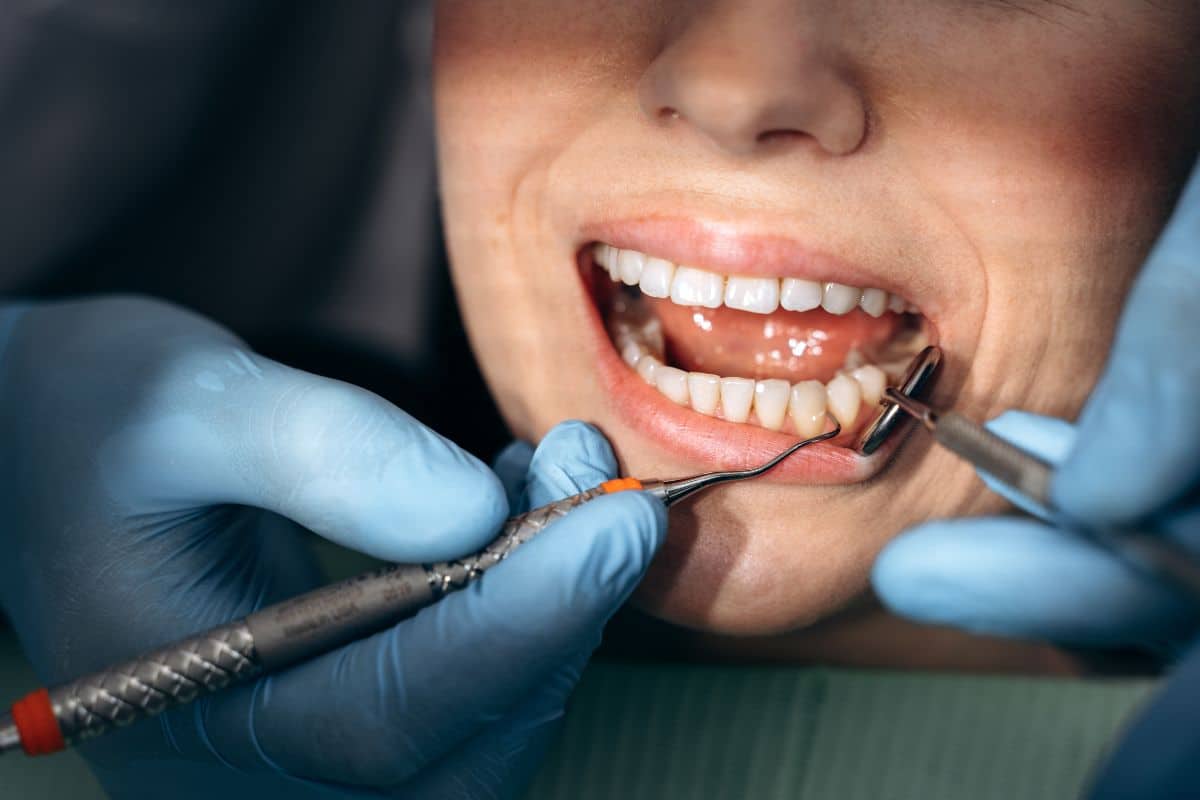
If you notice any of the above symptoms, your local dentist will perform a thorough exam and may recommend treatments like:
- Scaling and Root Planing: A deep cleaning procedure to remove plaque and tartar from beneath the gumline.
- Antibiotics: Your dentist may prescribe antibiotics to help control the infection.
- Surgical Treatment: In severe cases, surgery may be necessary to restore gum health and repair damage.
Book Your Periodontal Treatment Today
If you notice any signs of gum disease, it’s important to act quickly. Periodontal treatment in San Diego can help restore your gums to a healthy state and ensure your smile is as bright as the California sun. Early intervention is key to preventing further damage to your gums and teeth, allowing you to continue enjoying the activities you love without worry. Book a consultation with our trusted dentist at Coastal Dental Arts today to address the discomfort. Don’t wait for your gum health to worsen – act now for long-term oral care and a bright smile!
Frequently Asked Questions (FAQs) About Periodontal Treatment
Can gum disease resolve on its own without professional care?
No, early stages like gingivitis can improve with excellent home hygiene, but deeper infections won’t fully resolve without professional cleaning and intervention. An untreated disease can progress and damage the supporting structures around the teeth.
How often should I see a dental professional if I have signs of gum inflammation?
If you notice persistent swelling, bleeding, or tenderness, a dentist typically recommends check‑ups every three to six months to monitor healing and prevent progression. Regular visits help adjust care plans based on how your tissues respond to treatment.
What lifestyle factors can increase the risk of gum tissue infection?
Poor oral hygiene habits combined with smoking, high sugar diets, or stress can encourage plaque buildup and bacterial growth at the gum line. These factors weaken gum resilience and accelerate the development of inflammation.
Can changes in your bite or tooth position indicate deeper gum problems?
Yes, shifting or drifting of teeth can signal bone loss and tissue deterioration beneath the surface, which is a sign of advanced periodontal infection. Early evaluation helps prevent further structural changes and tooth instability.
Are periodontal bacterial infections contagious between family members?
The condition itself isn’t contagious like a cold, but the bacteria associated with infection can transfer through saliva during close contact. Maintaining excellent oral habits reduces the spread of bacteria within households.