1230 Columbia St. Suite 870 San Diego, CA 92101

By Coastal Dental Arts | September 10, 2026
Have you noticed that your teeth look longer than they used to or that your teeth feel more sensitive when you drink something cold? These changes may be signs of gum recession.
Gum recession happens when the gum tissue around a tooth pulls back and exposes more of the tooth surface or root. It can develop gradually, so many people do not notice it until the condition becomes more advanced.
Although gum recession is common, it should not be ignored. In some cases, it can be related to periodontal disease, which can affect the gums and the bone supporting your teeth. Identifying the cause early can help protect your gums, teeth, and long-term oral health.
If you are experiencing gum recession or other changes in your gums, an evaluation with a San Diego dentist can help determine what is happening and whether you may benefit from periodontal treatment in San Diego.
What Does Gum Recession Look Like
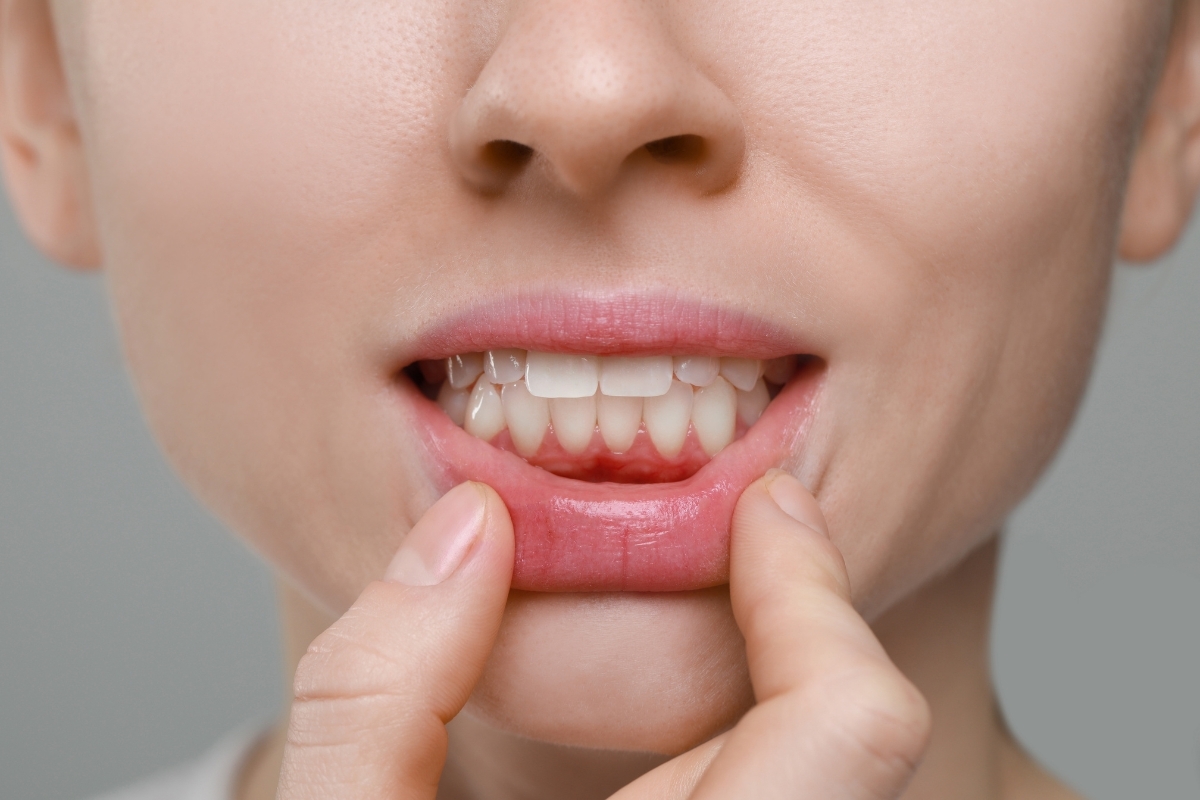
Healthy gums should fit closely around your teeth and provide protection for the areas below the visible tooth surface. When gum tissue recedes, more of the tooth may become visible.
You may notice that one or more teeth look longer than the others. The exposed area may also appear darker or more yellow because part of the tooth root can become visible.
Other common signs include increased tooth sensitivity, discomfort when brushing, bleeding gums, redness, swelling, persistent bad breath, or changes in the way your gums look around certain teeth.
Not every case of gum recession is caused by gum disease. That is why a professional dental examination is important for determining the underlying cause.
What Causes Gums to Recede
Gum recession can have several causes. Understanding what may be contributing to the problem is the first step toward protecting your gum health.
Periodontal Disease
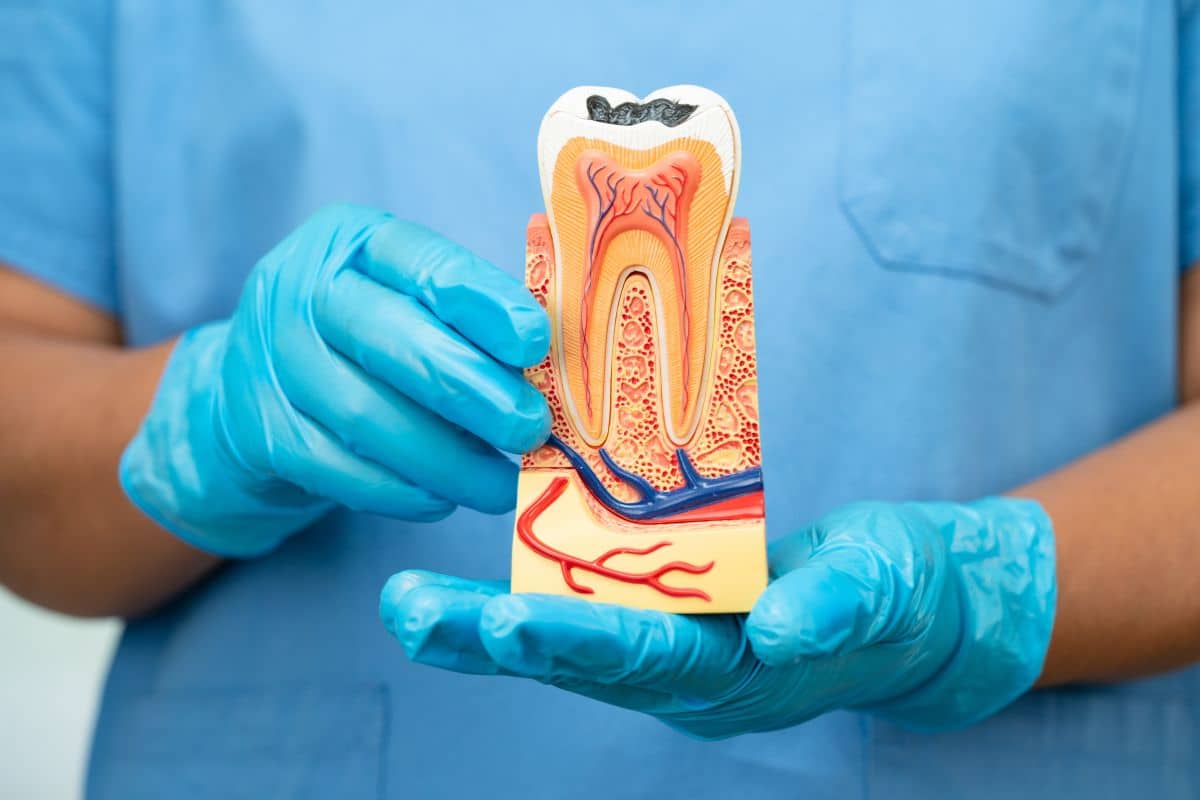
One of the most important causes to consider is periodontal disease. Plaque contains bacteria that can irritate the gums. When plaque is not effectively removed, it can contribute to inflammation and eventually damage the tissues and bone that support the teeth.
As periodontal disease progresses, the gums can pull away from the teeth and form spaces where bacteria can accumulate. Over time, this can contribute to gum recession, bone loss, loose teeth, and other complications.
Aggressive Brushing
Brushing your teeth is essential for maintaining healthy gums, but using excessive pressure can irritate or damage gum tissue. A hard-bristled toothbrush combined with aggressive brushing may contribute to recession over time.
Instead, use a soft-bristled toothbrush and gentle movements along the gumline. Good oral hygiene does not require force.
Poor Oral Hygiene
Inconsistent brushing and flossing can allow plaque to remain along the gumline. Over time, plaque can harden into tartar, which cannot be completely removed with normal brushing at home.
Professional dental cleanings help remove buildup and give your dental team an opportunity to identify early signs of gum inflammation or periodontal disease.
Tobacco Use
Smoking and other forms of tobacco use can increase the risk of gum disease and interfere with healthy gum tissue. If you use tobacco, talk with your dental team about ways to protect your oral health and reduce your risk of periodontal problems.
Genetics
Some people may be more susceptible to gum disease or gum recession because of genetic factors. Even with good oral hygiene, certain individuals may require closer monitoring of their gum health.
Tooth Position
The position of a tooth can also affect the amount of gum tissue covering it. Teeth that sit outside the normal alignment of the dental arch may have thinner tissue around them, which can make certain areas more vulnerable to recession.
Signs You Should Not Ignore
Gum recession may occur without significant pain, which makes regular dental examinations particularly important. You should contact your dentist if you notice changes such as bleeding while brushing or flossing, persistent bad breath, red or swollen gums, increased tooth sensitivity, teeth that appear longer, or teeth that feel loose or have shifted.
Pus around the gums is another warning sign that should be evaluated promptly.
These symptoms do not necessarily mean that you have advanced periodontal disease. However, they indicate that your gums deserve professional attention.
Can Receding Gums Grow Back
Once gum tissue has physically receded, it generally does not grow back on its own. However, treatment can help control the underlying cause and prevent the condition from progressing.
The appropriate treatment depends on why the recession developed and how much the gums and supporting structures have been affected.
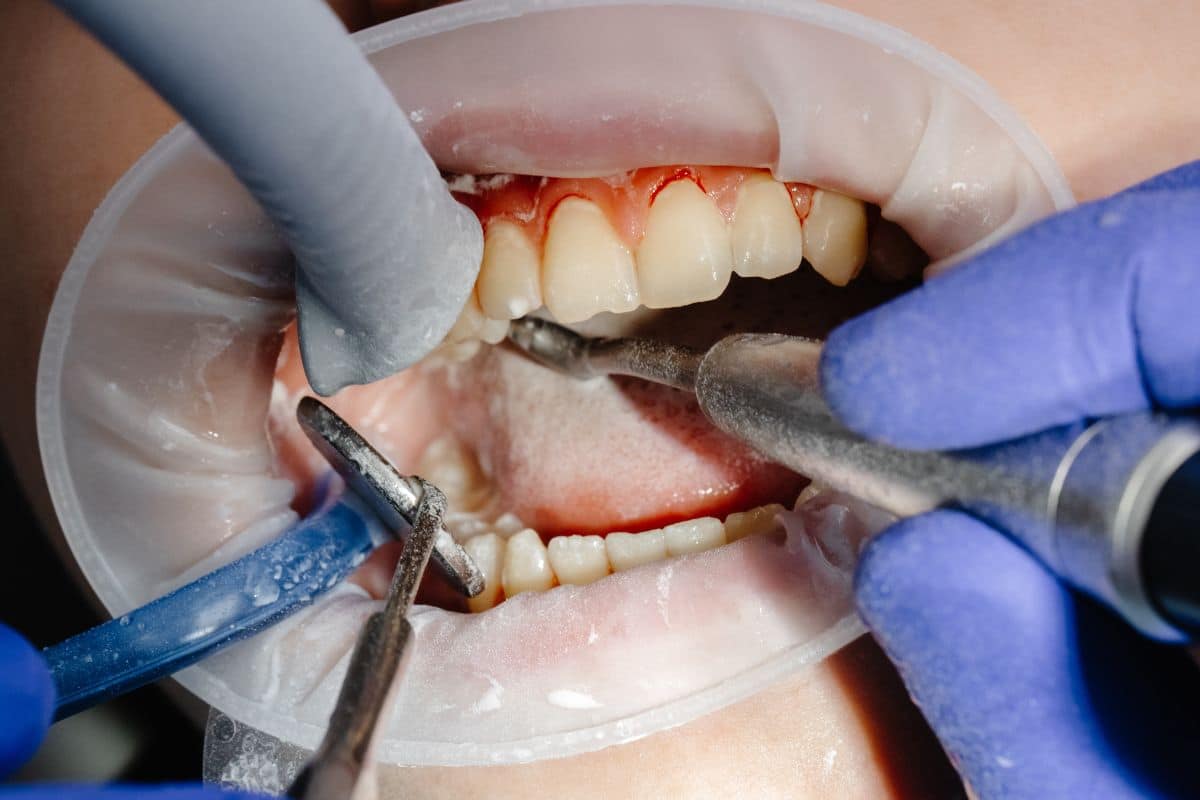
If periodontal disease is contributing to the problem, your dentist may recommend periodontal therapy to control infection and inflammation. In appropriate cases, treatment may include scaling and root planing to remove plaque and tartar below the gumline.
Coastal Dental Arts provides periodontal care in San Diego that may include professional cleanings, deep scaling, and other therapies based on each patient’s needs.
How Is Gum Recession Treated
Treatment for gum recession begins with identifying its cause.
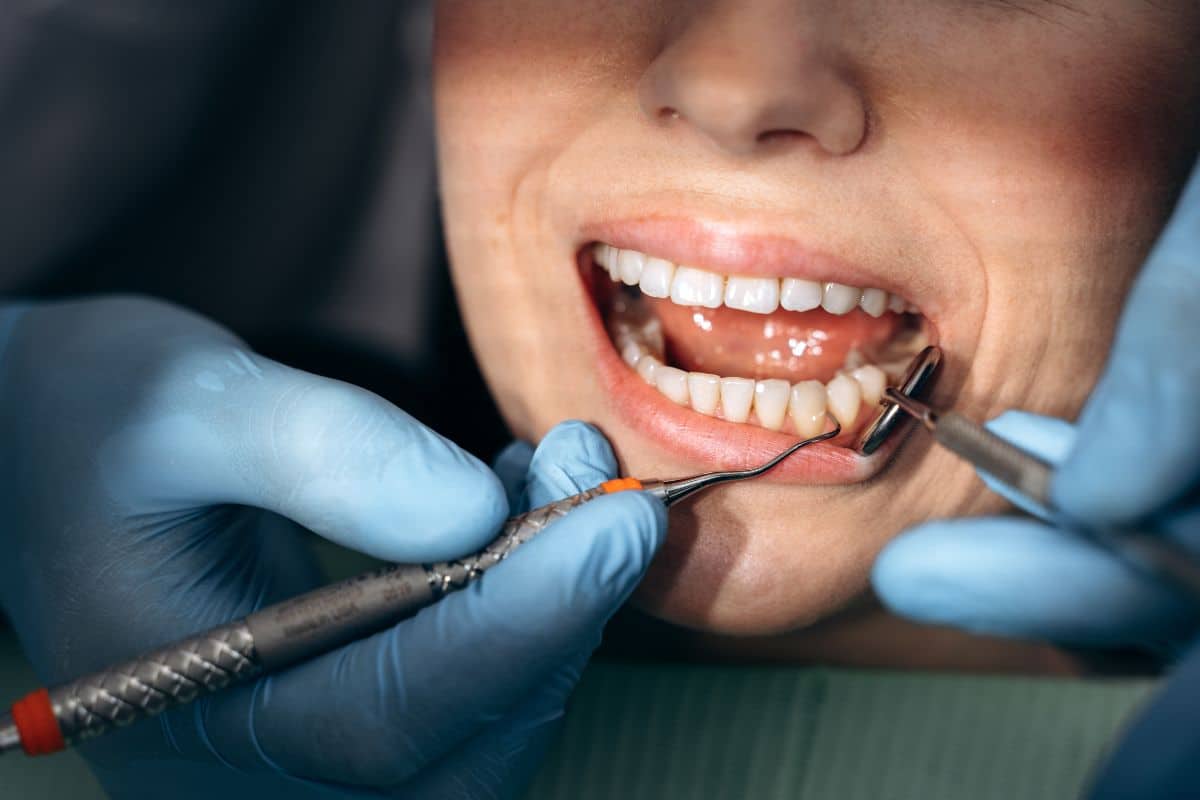
Your dentist may examine the gums, measure periodontal pockets, evaluate your teeth, and use dental X-rays when appropriate. This information helps determine whether the recession is associated with periodontal disease, brushing habits, tooth position, or another concern.
When gum disease is present, periodontal treatment may focus on controlling infection and inflammation. Scaling and root planing is one common treatment used to clean areas below the gumline and support healthier gum tissue.
In more advanced cases, additional periodontal procedures may be considered. Your dentist can explain which options are appropriate after evaluating your individual condition.
The goal is not simply to improve the appearance of the gumline. Effective periodontal care is designed to protect the tissues and structures that support your teeth.
How to Prevent Gum Recession
You cannot prevent every case of gum recession, but you can take practical steps to reduce your risk.
Brush twice each day with a soft-bristled toothbrush and fluoride toothpaste. Use gentle pressure and pay attention to the gumline.
Floss or clean between your teeth every day to remove plaque from areas a toothbrush cannot reach.
Schedule regular dental examinations and professional cleanings. These visits allow your dental team to monitor your gums and identify changes before they become more serious.
Avoid tobacco products because they can increase the risk of periodontal disease and negatively affect gum health.
If you notice bleeding, sensitivity, swelling, or changes in the appearance of your gums, do not wait for the problem to become painful before seeking care.
When Should You Seek Periodontal Treatment in San Diego
If your gums are receding, the most important step is finding out why.
Early evaluation can help determine whether the recession is related to periodontal disease or another factor. When gum disease is identified early, appropriate treatment can help control the condition and protect the tissues supporting your teeth.
Coastal Dental Arts provides comprehensive dental care in San Diego, including periodontal treatment for patients experiencing gum disease and related concerns. The practice is located at 1230 Columbia Street, Suite 870 in San Diego and welcomes new patients from the surrounding area.
Protect Your Gums and Your Smile
Receding gums are more than a cosmetic concern. They can expose sensitive tooth surfaces and may sometimes indicate an underlying periodontal problem.
The good news is that early attention can make a meaningful difference. Good brushing and flossing habits, regular dental visits, professional cleanings, and timely treatment can all play an important role in maintaining healthy gums.
If you have noticed receding gums, bleeding, sensitivity, persistent bad breath, or other changes in your gum health, schedule an evaluation with Coastal Dental Arts. A professional examination can help identify the cause and determine whether periodontal treatment in San Diego is right for you.
Contact Coastal Dental Arts today to schedule an appointment and take the next step toward healthier gums and a stronger smile.