1230 Columbia St. Suite 870 San Diego, CA 92101


By Coastal Dental Arts | April 15, 2025
Ever wondered about those dazzling white smiles you see? Teeth whitening is super popular. But is it all sparkle and no trouble? Let’s dive into the truth about teeth whitening. We’ll explore the real risks and side effects. So, buckle up for some enlightening info about teeth whitening!
Decoding Teeth Whitening: What It Really Is
At its core, teeth whitening is a cosmetic dental procedure. Its main goal? To lighten the color of your teeth. Over time, teeth can become stained or discolored. This can happen due to various factors. Think about your favorite coffee, tea, or red wine. These can all leave their mark. Smoking is another major culprit. Even the natural aging process can contribute to discoloration. Teeth whitening aims to reverse these effects. It helps restore a brighter, more youthful appearance to your smile. It’s all about tackling those stubborn stains and revealing a lighter shade underneath.
The Science Behind the Sparkle: How Teeth Whitening Works
Now, let’s get into the nitty-gritty of how teeth whitening actually works its magic.
- Most teeth whitening products rely on bleaching agents. The most common ones are hydrogen peroxide and carbamide peroxide. When these compounds come into contact with your teeth, they trigger a chemical reaction. This reaction breaks down the stains into smaller, less noticeable molecules.
- Think of your tooth enamel as slightly porous. Stain molecules can settle within these tiny pores. The whitening agents penetrate the enamel layer. They then target the discolored molecules. Through oxidation, these large, dark molecules are broken down. This process essentially lifts the stains from your teeth.
- The concentration of the bleaching agent varies between over-the-counter products and professional treatments. Dentists use higher concentrations for more dramatic and faster results. They also take precautions to protect your gums and soft tissues during the process. Over-the-counter options have lower concentrations. This means they usually require more applications and may yield less significant results. Regardless of the method, the underlying principle is the same: using peroxide-based compounds to break down stains and reveal a brighter smile.
So, there you have it! Teeth whitening is the process of lightening tooth color by breaking down stains. The magic lies in the chemical reaction of bleaching agents like hydrogen peroxide or carbamide peroxide. They penetrate the enamel and oxidize stain molecules, leaving you with a noticeably brighter smile. Whether you opt for a professional treatment or an at-home kit, understanding the science behind it can help you make informed decisions.
The Allure of a Brighter Smile
Everyone loves a radiant smile. It boosts confidence and makes a great first impression. Teeth whitening promises just that. Many over-the-counter products and professional treatments exist. But what are the potential downsides? It’s crucial to know before you try.
Sensitivity: A Common Concern
One frequent side effect is tooth sensitivity. Whitening products contain bleaching agents. These can temporarily irritate your nerves. You might feel discomfort when eating hot or cold foods. This usually subsides within a few days. However, for some, it can be more intense. If sensitivity persists, consult your dentist. They can recommend desensitizing toothpaste or other remedies.
Gum Irritation: Not Always Pretty
Your gums can also react to whitening agents. You might experience redness or swelling. This often happens if the whitening gel touches your gums. Over-the-counter strips can sometimes be tricky to apply precisely. Professional treatments often use protective barriers. This minimizes gum irritation. Always follow product instructions carefully. If irritation occurs, stop using the product and see your dentist.
Uneven Whitening: The Patchy Truth
Sometimes, teeth don’t whiten uniformly. You might end up with a patchy smile. This can happen due to existing fillings or crowns. These materials don’t respond to whitening agents. Certain types of stains are also more resistant. Consulting your dentist beforehand is wise. They can assess your teeth and predict potential outcomes. For professional teeth whitening in San Diego, experts ensure even results.
Enamel Damage: A Serious Risk
Overuse of whitening products can damage your enamel. Enamel is the protective outer layer of your teeth. Once damaged, it’s gone for good. This can lead to increased sensitivity and a higher risk of cavities. Always follow recommended usage guidelines. Don’t overdo it in the hope of faster results. Professional teeth whitening in San Diego is carefully controlled. Dentists use appropriate concentrations and techniques.
The Role of Professional Consultation
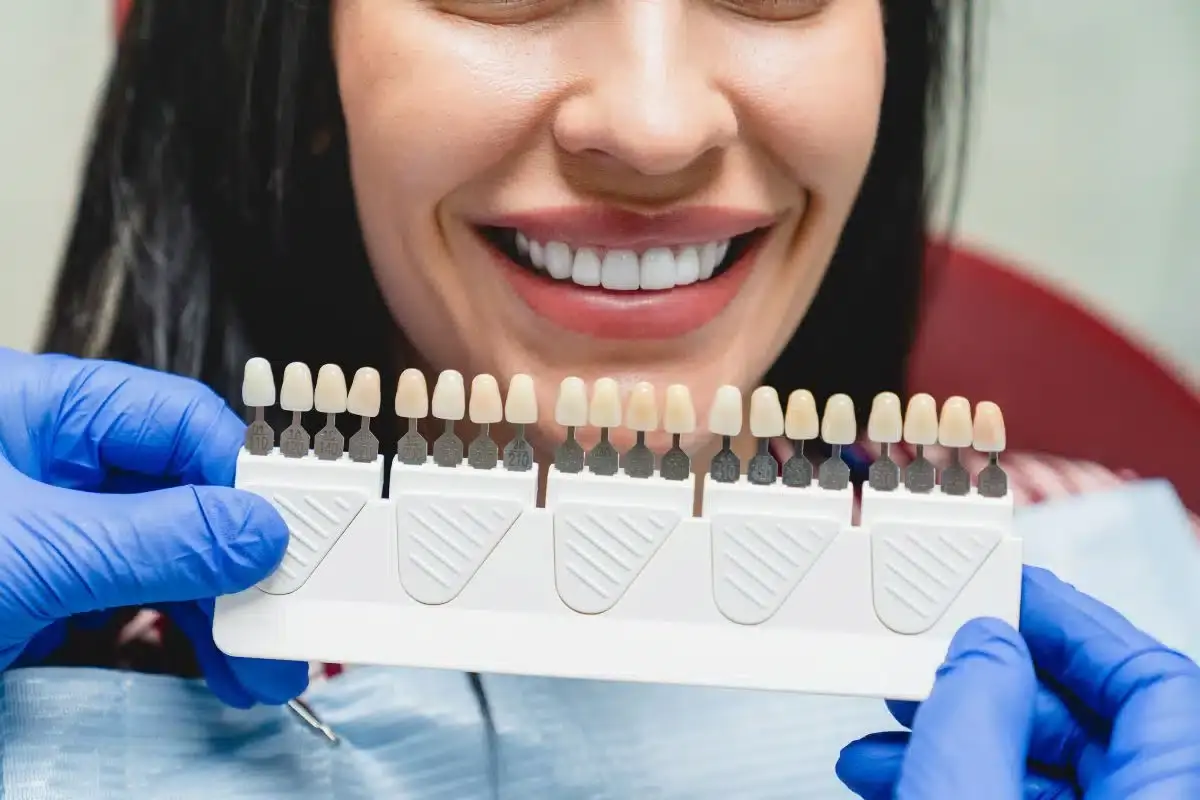
Before considering teeth whitening in San Diego, talk to your dentist. They can evaluate your oral health. They can also discuss the best options for you. Professional treatments are generally safer and more effective. Dentists use stronger whitening agents. They also take precautions to protect your gums and minimize sensitivity. They can also advise on maintaining your bright smile.
Long-Term Effects: What to Expect
The effects of teeth whitening aren’t permanent. Stains can reappear over time. This depends on your diet and oral hygiene habits. Regular brushing and flossing help. Avoiding stain-causing foods and drinks is also beneficial. Touch-up treatments might be needed. Your dentist can guide you on a safe maintenance schedule. For lasting results with teeth whitening in San Diego, follow professional advice.
Ready for a brighter, healthier smile? Schedule a consultation today to discuss your teeth whitening in San Diego options. Let our experts guide you!