1230 Columbia St. Suite 870 San Diego, CA 92101


By Coastal Dental Arts | January 28, 2025
If you’re dealing with missing teeth, you’ve likely considered ways to restore your smile. Options like dentures, bridges, partial dentures, and dental implants are all available. Dental implants are uniquely crafted to mimic the look, feel, and function of natural teeth. For many, they offer a boost in confidence without the extra concerns or costs associated with dentures, bridges, or partial plates. Dental implants are an innovative way to replace missing teeth and restore your smile. However, the decision to undergo this procedure is significant and requires careful thought. According to the American Academy of Implant Dentistry, “3 million people in the United States have implants, a number that is growing by 500,000 annually.” If you are considering dental implants, you are not alone.
Asking the right questions can help you feel confident and informed. Here’s a guide to 20 questions you should ask about dental implants before taking the plunge.
What Are Dental Implants?
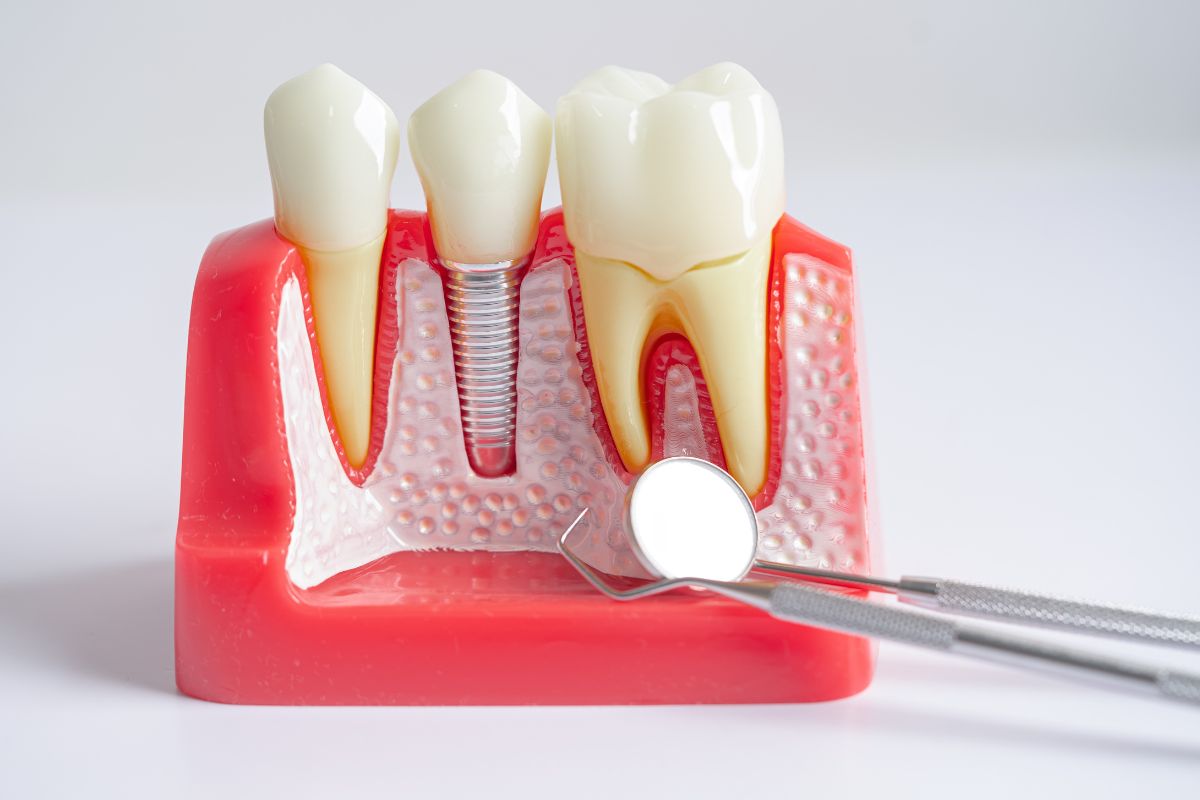
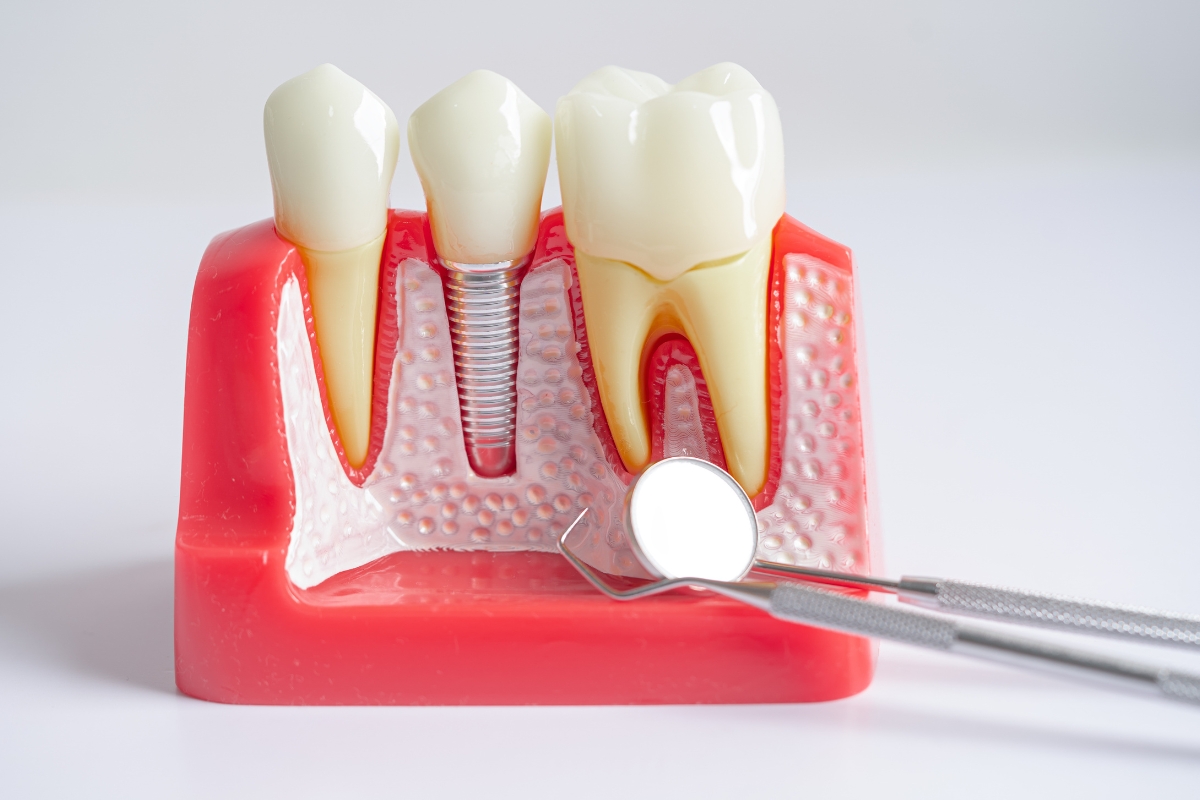
You’ve probably heard about dental implants, but what are they exactly? In simple terms, they replace the tooth root. Dental implants are artificial tooth roots made of titanium that are placed in your jawbone to support replacement teeth. They look, feel, and function like natural teeth, providing a permanent solution for missing teeth.
After the implant process is finished, a dental implant consists of three parts:
- the implant fixture,
- the abutment, and
- the artificial tooth or teeth.
The fixture is surgically placed in your jaw, ensuring stability without noise, slipping, or causing bone damage like dentures or harming nearby teeth as bridges might.
Am I a Good Candidate?
Not everyone qualifies for implants. Dental implants are highly versatile, making them an option for most people missing one, several, or all teeth. However, they may not be suitable for everyone. Often, eligibility depends on bone health. Significant bone loss from disease or prolonged tooth absence can result in insufficient jawbone to securely support the implant fixture. While bone grafts can sometimes restore bone volume, this isn’t always possible. Other factors your dental implant specialist will assess include:
- You have one or more missing teeth.
- Your jawbone is fully grown.
- You have good oral health.
- You are unable (or unwilling) to wear dentures.
- You have a medical condition that limits bone healing.
- You do not smoke or are willing to quit.
What Are the Benefits of Dental Implants?
Inquire about how implants can improve your oral health, appearance, and quality of life. Dental implants are a popular choice for their durability and long-lasting benefits. Additionally, they:
- Seamlessly match your natural teeth for a realistic smile.
- Fully restore chewing ability, letting you enjoy your favorite foods.
- Stay securely in place, avoiding movement while speaking, laughing, or eating.
- Resist deterioration thanks to their titanium construction.
- Potentially minimize the need for future dental treatments.
Are There Risks Involved?
Although all surgeries carry some risks, dental implants are generally safe with a low chance of serious complications. They boast an impressive success rate of about 98%. Your dentist can discuss any specific risks or concerns you may have.
How Long Do Dental Implants Last?
Dental implants can last 15-25 years or more with proper care, such as good oral hygiene and regular dental check-ups. Their longevity depends on factors like the patient’s health, bone quality, and habits. Well-maintained implants often provide a long-term, durable solution for missing teeth.
What Types of Implants Are Available?
Dental implants, titanium rods embedded in the gums to secure artificial teeth, are highly successful due to titanium’s ability to fuse with jawbone tissue. For patients lacking sufficient upper jawbone for traditional implants, providers like Coastal Dental Arts Now offer zygomatic implants, anchored in the cheekbone. These procedures require a highly skilled and experienced oral surgeon for optimal results.
What Does the Procedure Involve?
The dental implant procedure typically begins with a thorough examination and imaging to assess the jawbone and plan the treatment. The process involves placing a titanium implant into the jawbone, allowing it to fuse over several months. Once healed, an abutment and custom crown are attached, completing the restoration.
How Painful Is the Procedure?
The dental implant procedure is usually not very painful, as it’s performed under local anesthesia or sedation to ensure comfort. Mild discomfort or soreness may occur during recovery, but it can be managed with prescribed pain relievers and proper aftercare.
How Long Will Recovery Take?
Depending on your preference, either local or general anesthesia is used during the procedure. You may experience some bruising, swelling, and bleeding right after the surgery, but these symptoms should improve within a couple of days. Over-the-counter pain relievers can typically manage discomfort, but prescription medication may be given for pain, swelling, and infection prevention.
After the surgery, it’s advisable to rest for one to two days. Most patients return to normal activities after a few days, but it’s important to avoid exercise for at least a week. Initially, you’ll need to follow a liquid diet (avoiding straws) and gradually transition to soft foods while avoiding chewing near the surgical site.
The implant will take about three months to fully fuse with the bone. During this time, avoid tough, crunchy, or sticky foods to prevent disrupting the healing process. Once the implant is securely fused, your surgeon will attach your permanent replacement teeth.
How Much Do Dental Implants Cost?
The cost of dental implants can vary based on several factors, including:
- The number and placement of implants.
- Whether tooth extractions or bone grafts are required.
- The type of sedation used.
- The materials chosen for the implants and replacement teeth.
After evaluating your case and creating a treatment plan, the oral surgeon will provide a more accurate cost estimate. Many providers also offer financing options or payment plans to help make dental implants more accessible.
Does Insurance Cover Dental Implants?
Coverage will vary depending on your specific plan. Although insurance typically doesn’t cover the cost of dental implants themselves, it may help with expenses for scans, tooth extractions, and some dental prosthetics. Be sure to check with your insurance provider to understand which procedures and treatments are included. You should know about Financing options available for your procedure.
Are There Dietary Restrictions After Surgery?
Yes, after dental implant surgery, it’s recommended to avoid hard, chewy, or sticky foods to prevent stress on the implants and allow proper healing. Opt for soft foods like yogurt, soups, and smoothies in the initial days. Following your dentist’s guidelines will help ensure a smooth recovery.
Will My Implants Look Natural?
Yes, dental implants are designed to look natural. With advancements in materials and techniques, modern implants closely resemble real teeth in both appearance and function. Your dentist will match the color, shape, and size to blend seamlessly with your natural smile, ensuring a realistic result.
Making an Informed Decision
Choosing dental implants in San Diego is a big decision, but asking the right questions can make it less daunting. A knowledgeable dentist will guide you through every step of the process, helping you feel confident in your choice.
Schedule Your Consultation Today!
Ready to transform your smile? Contact us today to schedule your consultation for dental implants in San Diego. Let’s work together to achieve the smile you deserve!
If you are thinking about getting dental implants and want to know if you are a good candidate, schedule a consultation with Coastal Dental Arts or with an oral surgeon near you.