1230 Columbia St. Suite 870 San Diego, CA 92101

By Coastal Dental Arts | February 18, 2025
Invisalign® has become a popular choice for straightening teeth. It offers a discreet and comfortable alternative to traditional braces. But some patients report headaches during their Invisalign® treatment. Is there a real connection? Let’s explore the possible links between Invisalign® and headaches. We’ll delve into the various factors at play. Understanding these can help you manage any discomfort.
Understanding Invisalign® Treatment
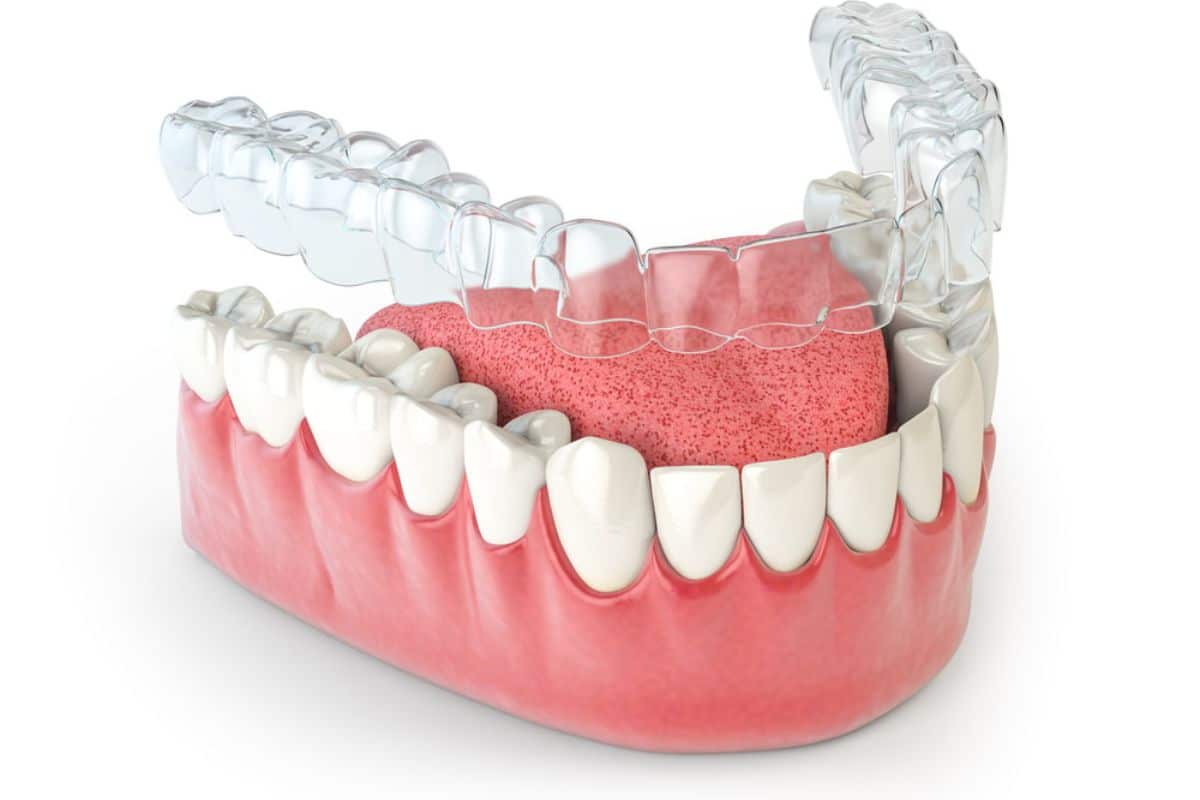
Invisalign® uses a series of clear, removable aligners. These aligners gradually shift your teeth into the desired positions. You’ll switch to a new set of aligners every one to two weeks. This process continues until you achieve your ideal smile. Invisalign® in San Diego is a common treatment option. Many people find it a convenient way to straighten their teeth. Several factors related to Invisalign® treatment can trigger headaches, including:
- These include clenching caused by the aligners, which can lead to tension headaches.
- The movement of your teeth can also alter your bite, potentially causing jaw misalignment, headaches, or other TMJ-related symptoms.
- Additionally, the strain on your jaw from shifting teeth can result in temporary headaches.
Potential Causes of Headaches with Invisalign®
There are several reasons that may explain why you experience headaches with Invisalign®. These can range from simple adjustment to more complex issues. Let us check the following reasons that cause headaches from orthodontic treatment –
- Adjustment Period: Starting any orthodontic treatment, including Invisalign®, can cause temporary discomfort. Your mouth adjusts to the pressure of the aligners. This adjustment period can sometimes trigger tension headaches. They usually subside within a few days.
- Sinus Pressure: Sometimes, Invisalign® aligners can put pressure on the sinuses. This is especially true if you have pre-existing sinus issues. This pressure can manifest as a headache.
- Temporomandibular Joint (TMJ) Issues: The TMJ connects your jawbone to your skull. Changes in your bite, even minor ones from Invisalign®, can sometimes aggravate TMJ problems. This aggravation can lead to headaches.
- Teeth Grinding or Clenching (Bruxism): Some people subconsciously grind or clench their teeth, especially during times of stress. Invisalign® aligners can sometimes exacerbate this habit. This can lead to muscle tension and headaches.
- Dehydration: It’s crucial to stay hydrated during Invisalign® treatment. You might find yourself drinking less water due to the aligners. Dehydration can be a common trigger for headaches.
- New Bite Alignment: As your teeth move, your bite changes. This change can sometimes cause temporary headaches as your jaw muscles adjust to the new alignment.
Managing Headaches During Invisalign® Treatment
Don’t worry – You are not alone! Headache is a potential side effect and is normally temporary, and very manageable.
Fortunately, there are several ways to manage headaches associated with Invisalign®. Here are some helpful tips:
- Over-the-counter Pain Relievers: Taking over-the-counter pain relievers like ibuprofen or acetaminophen can help alleviate headache pain. Always follow the recommended dosage.
- Warm Compress: Applying a warm compress to your forehead or jaw can help relax tense muscles and ease headache pain.
- Stay Hydrated: Drink plenty of water throughout the day to prevent dehydration-related headaches.
- Relaxation Techniques: Practice relaxation techniques like deep breathing or meditation to reduce stress and muscle tension.
- Mouthguards: If you grind or clench your teeth, talk to your dentist about getting a mouthguard. This can protect your teeth and alleviate muscle tension.
- Consult Your Dentist: If your headaches are severe or persistent, don’t hesitate to consult your dentist. They can assess the situation and recommend appropriate treatment.
Tips to Reduce Invisalign-Related Headaches
If you’re experiencing headaches from Invisalign® in San Diego, try these strategies:
- Stay Hydrated: Drink plenty of water to prevent dehydration.
- Use Pain Relievers: Over-the-counter pain medication can ease discomfort during the adjustment phase.
- Massage Your Jaw: Gentle massage and warm compresses relax jaw muscles.
- Follow a Soft Diet: Avoid hard foods that add strain to your teeth and jaw.
- Practice Good Posture: Poor posture affects jaw alignment and can worsen headaches.
- Wear Aligners as Directed: Removing aligners too often prolongs the adjustment phase, increasing discomfort.
Invisalign® in San Diego: Finding the Right Professional
Choosing a qualified and experienced San Diego Invisalign® dentist , treatment is essential. They can properly assess your needs and create a personalized treatment plan. A good orthodontist will also be able to address any concerns you have about headaches or other side effects. Invisalign® is a popular choice for those seeking a straighter smile.
When to Seek Professional Help
While some headaches during Invisalign® are normal, certain signs warrant professional attention. Contact your dentist if you experience:
- Severe or persistent headaches.
- Headaches accompanied by other symptoms like fever, nausea, or vision changes.
- Jaw pain or clicking sounds in your jaw joint.
Conclusion
Invisalign® can be a great way to achieve a beautiful smile. While some people experience headaches, understanding the potential causes and management strategies can help you navigate the process comfortably. Choosing a qualified and experienced dental professional for your Invisalign® treatment is essential, not just for getting great results, but also for ensuring your comfort and safety along the way. Improperly managed treatment can lead to issues like jaw pain, headaches, or prolonged discomfort that could easily be avoided with expert care. To take the first step toward a pain-free, beautiful smile, call us at 619-786-3635 or visit us schedule an appointment.