
1230 Columbia St. Suite 870 San Diego, CA 92101

By Coastal Dental Arts | November 9, 2026
Not every wisdom tooth must go, but pain, infection, crowding, and decay are clear warning signs. Learn when to see an Oral Surgeon in San Diego and what to expect from treatment and recovery.
Many people hear the words wisdom teeth and immediately picture a scheduled extraction. The truth is more nuanced. Some wisdom teeth grow in straight, stay healthy, and never cause a single problem. Others quietly create trouble that only shows up months or even years later. If you are wondering whether your third molars need attention, an experienced Oral Surgeon in San Diego can examine your mouth, review your imaging, and give you an honest answer based on your own anatomy instead of a one-size-fits-all rule.
What Are Wisdom Teeth and Why Do They Cause Problems?
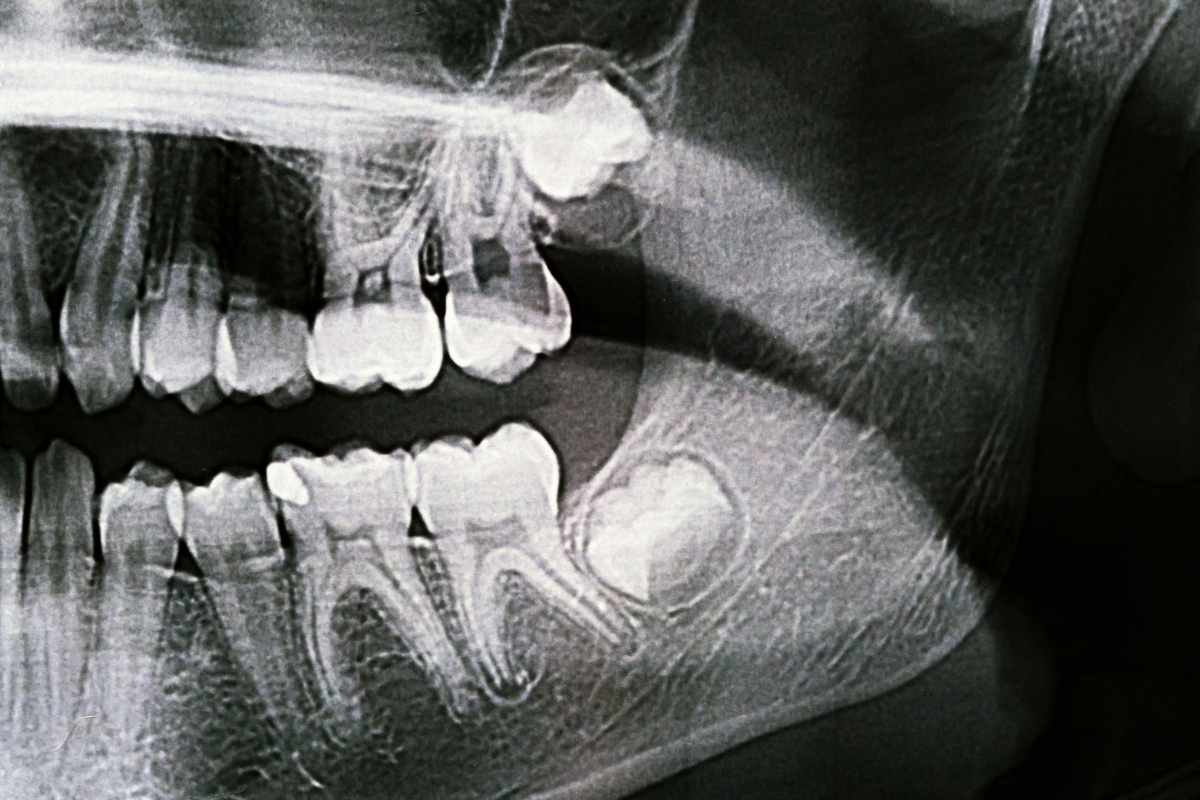
Wisdom teeth are the third and final set of molars, and most people get them in their late teens or early twenties. Many jaws simply do not have enough room for four extra molars. When space runs short, these teeth can come in crooked, lean toward the neighboring molars, grow sideways, or stay trapped beneath the gum or bone. A tooth that stays trapped is called impacted, and a tooth that only partly breaks through the gum is called partially erupted.
This is where professional care matters. Impacted or misaligned teeth can crowd nearby teeth, damage the jawbone, or irritate surrounding nerves. Partially erupted teeth leave a small opening in the gum where bacteria can enter, which may lead to infection, swelling, and jaw stiffness. Coastal Dental Arts provides Oral Surgery in San Diego for these exact concerns, and the team uses 3D imaging to plan each case with precision and care.
Do Wisdom Teeth Always Need to Come Out?
No, they do not. If your wisdom teeth have fully erupted, sit in a healthy position, and can be cleaned as easily as your other molars, your dentist may simply recommend monitoring them over time. Removal is not automatically the right choice for every patient.
The challenge is that wisdom teeth sit at the very back of the mouth, making them hard to brush and floss. Even teeth that seem fine can develop decay or gum disease without obvious warning. That is why regular checkups and digital imaging matter. You should never have to guess, and a professional evaluation is the only reliable way to know where you stand.
Signs It May Be Time to Remove Your Wisdom Teeth
Pain or pressure at the back of your jaw
A dull ache near your back molars that comes and goes is one of the most common early signals. Pain that keeps returning often means a tooth is pushing against something it should not be.
Swollen, red, or tender gums
When a wisdom tooth only partly breaks through, the gum tissue around it can trap food and bacteria. Swelling, tenderness, a bad taste, or persistent bad breath often point to infection.
Damage to the neighboring tooth
Wisdom teeth that lean toward the second molars can trap plaque and debris, which makes those healthy teeth more likely to decay. If your dentist finds a cavity in a second molar, the wisdom tooth behind it may be the cause.
Jaw stiffness or trouble opening your mouth
Inflammation around a problem tooth can make your jaw feel tight or sore. Some patients also feel generally ill when they have an infection.
Crowding or shifting teeth
Poorly aligned wisdom teeth can put pressure on the teeth in front of them. This may affect your bite and undo some of the progress from past orthodontic work.
Cysts or damage seen on imaging
Sometimes there are no symptoms at all. Imaging can reveal fluid-filled pockets called cysts, or bone and nerve concerns, around a tooth that is still hidden under the gum.
What to Expect at Your Consultation
Your visit begins with a careful exam, digital imaging, and a conversation about your symptoms and dental history. Your surgeon reviews your medications and allergies, then explains whether you need removal now, later, or not at all. If a less invasive option solves the problem, you should be offered that.
Comfort is a priority. Sedation is available if you want extra relaxation, so most patients feel minimal discomfort during the procedure. If sedation is planned, you may be asked to avoid food beforehand and arrange a ride home.
Recovery and Aftercare
Mild soreness, swelling, and pressure are normal for the first few days. Rinse gently with warm salt water, eat soft foods, and brush carefully around the area. Avoid smoking, alcohol, and hard or crunchy foods early in recovery. Most people return to normal activities within a few days. Risks such as infection, bleeding, or temporary numbness are uncommon when the procedure is planned well and aftercare instructions are followed.
Why Waiting Can Cost You More
Delaying care for a troublesome tooth often leads to larger problems, including decay in neighboring teeth, gum disease, and repeated infections. Evaluating your wisdom teeth early gives you more options and usually a simpler recovery. If you work or live downtown, in Little Italy, East Village, the Gaslamp Quarter, or Hillcrest, it’s easy to fit a visit into your week. Our office is at 1230 Columbia St., Suite 870, San Diego, CA 92101, and we are open Monday through Friday with early morning appointments on Wednesday and Friday.
Ready for answers? Call 619-858-8080 or request your oral surgery consultation online today.
Take the First Step Toward Relief
Wisdom teeth don’t always need to come out, but ignoring the warning signs rarely helps. Pain, swelling, repeated infections, and damage to nearby teeth all deserve a professional look. If you are searching for an Oral Surgeon in San Diego who explains your options clearly, or you want trusted Oral Surgery in San Diego with comfort in mind, schedule a consultation today. This article is educational and does not replace an exam with your dentist.
Frequently Asked Questions
Do all wisdom teeth have to be removed?
No. Healthy, fully erupted, properly aligned wisdom teeth that are easy to clean may only need regular monitoring. Your surgeon will recommend removal when a tooth is impacted, infected, or harming nearby teeth.
Is wisdom teeth removal painful?
Most procedures offer sedation, so you should feel minimal pain. Afterward, mild soreness and swelling are normal and can be managed with guidance from your care team.
How long does recovery take?
Many people feel back to normal within a few days, though more complex procedures can take several weeks to heal completely. Following your aftercare plan makes healing smoother.
Will insurance cover wisdom teeth removal?
Many dental plans offer partial coverage, especially when removal is medically necessary. Our team reviews your benefits with you and discusses flexible payment options if needed.
How do I know if I need surgery or a simpler treatment?
An exam and digital imaging show whether you can manage the problem with less invasive care. We recommend surgery only when it offers the best long-term outcome.