1230 Columbia St. Suite 870 San Diego, CA 92101

By Coastal Dental Arts | April 8, 2025
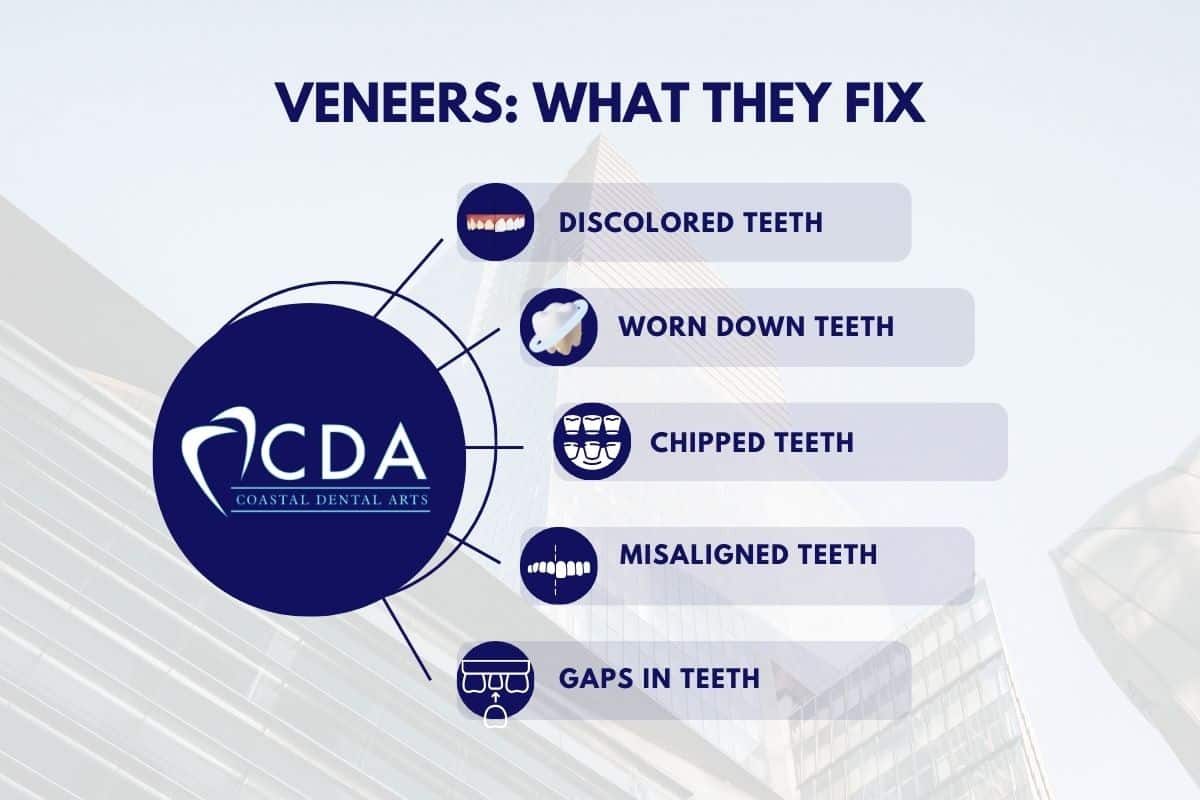
Veneers have emerged as the preferred option for people who want to rapidly enhance their smiles. These specially made shells can significantly improve your appearance, regardless of whether your teeth are worn, chipped, misaligned, or discolored. However, many do not choose these dental laminates because they are concerned about how they may affect their existing teeth. The safety aspect of these improvements for the natural tooth structure is discussed in this guide.
What Constitutes Dental Veneers?
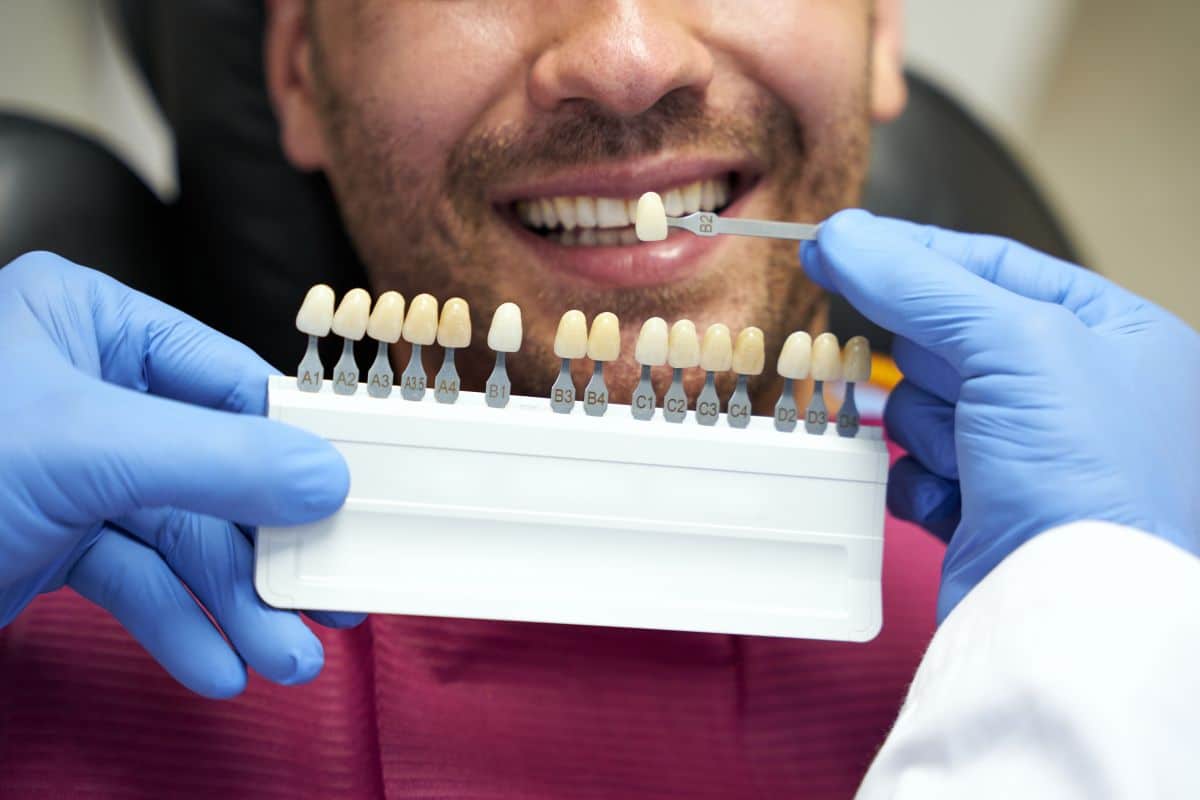
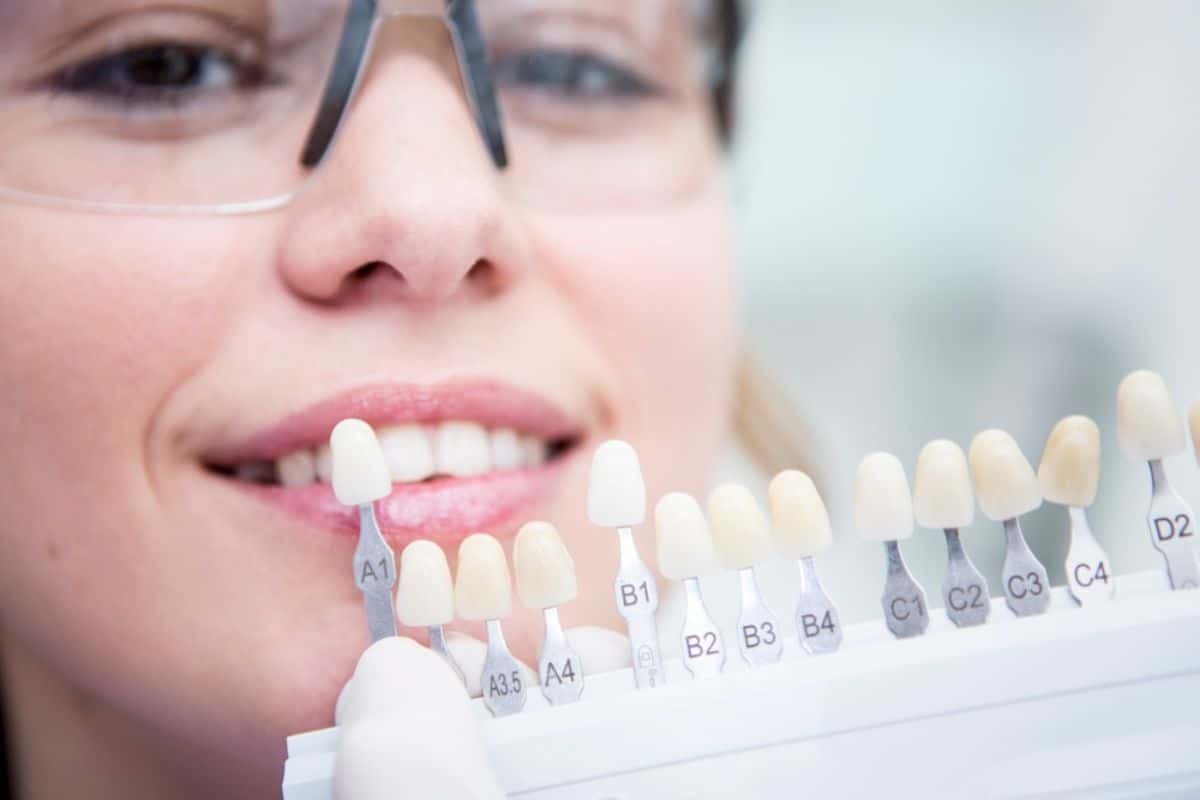
Porcelain is the most preferred material used for these dental restorations. These are popular in terms of strength, durability, and stain resistance qualities. Every shell is made to blend in perfectly with your natural teeth, preserving their long-term functionality while producing a natural appearance. With the right maintenance, veneers may keep your smile looking beautiful for years.
How Are These Shells Attached?
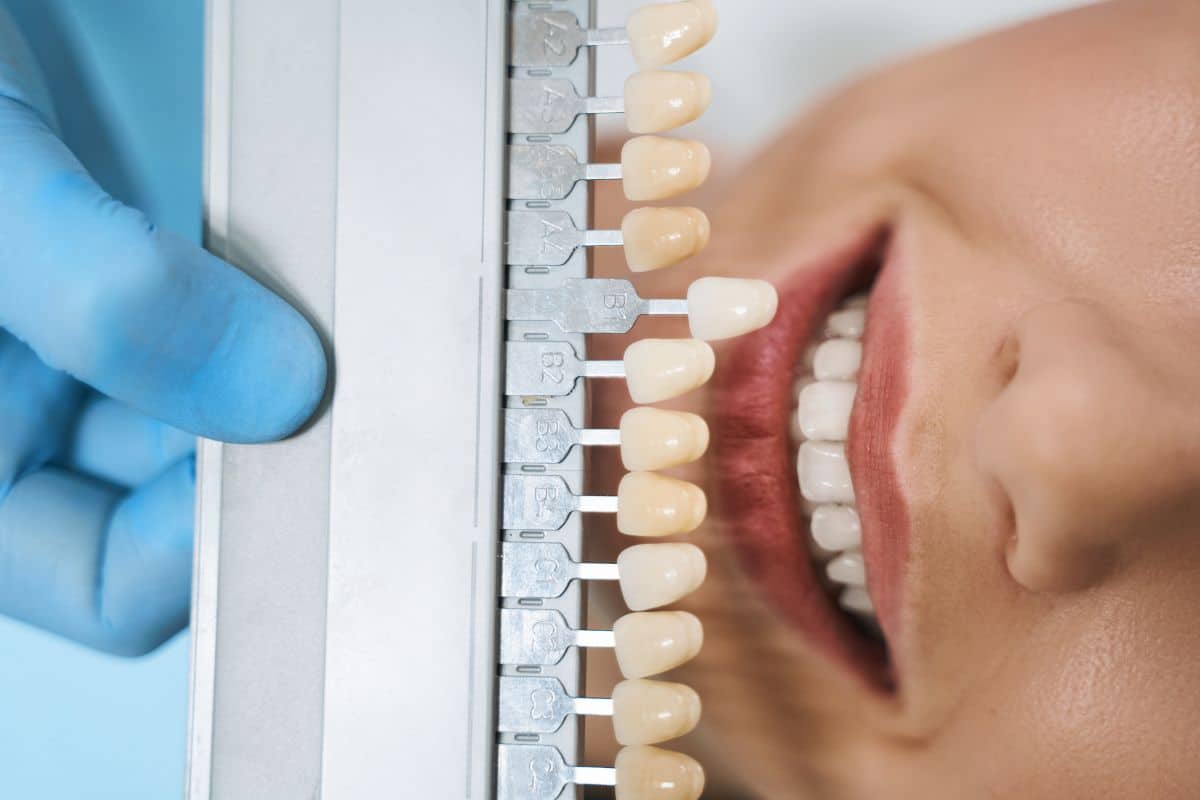
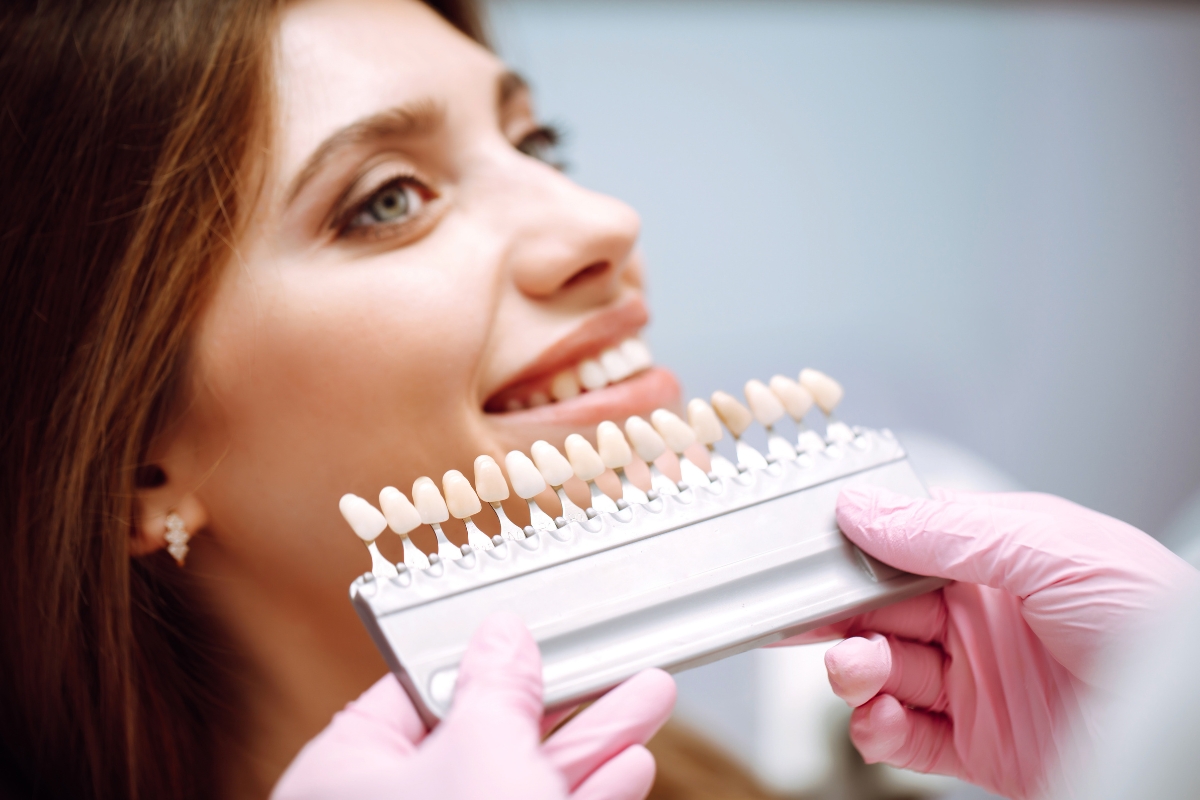
Earlier, these kinds of restorations involved extensive reshaping of existing teeth. However, advancements in dental technology now allow for a more conservative approach. The procedure begins with thoroughly evaluating your teeth and gums to ensure you are a suitable candidate for dental veneers in San Diego. Once approved, a thin enamel layer is gently removed to create space for the new shell. A dental adhesive is then used to bond the laminate to the tooth, which is then solidified using a curing light. The outcome is a polished, symmetrical smile.
How Veneers Impact Your Tooth Enamel
Veneers, when applied by a skilled cosmetic dentist, do not harm your natural tooth enamel. However, a minimal layer of enamel is gently removed to ensure a proper fit and natural look. This intervention by a cosmetic dentist is crucial for the veneers to bond effectively and seamlessly with your existing teeth, enhancing your smile without causing damage.
Will Veneers Weaken Your Teeth Over Time?
A common misconception is that these enhancements weaken or harm real teeth. In reality, neither the bonding process nor the porcelain itself poses a risk to your oral health when properly maintained. These ultra-thin shells offer a protective layer that can help shield teeth from minor wear. However, this treatment is permanent since the enamel must be removed to ensure a secure fit.
Veneers do not directly harm your pearly whites, but neglecting proper oral care can weaken the structure. Poor hygiene can cause decay around the edges where the porcelain meets the tooth surface. Besides, excessive grinding or chewing on hard objects may compromise the longevity of these dental laminates. To prevent these concerns, regular dental visits, brushing, flossing, and avoiding excessive force on your teeth ensure long-term success.
How Long Do Veneers Last?
Veneers are a durable cosmetic dental solution, but they are not permanent. Their lifespan depends on several factors, including the material, care, and individual habits.
Lifespan:
- Porcelain Veneers: Typically last between 10 to 15 years, and with excellent care, potentially longer (up to 20 years).
- Composite Veneers: Generally last between 5 to 7 years, as they are more prone to staining and chipping.
Pros of Veneers:
- Significantly enhance the appearance of your smile by addressing discoloration, chips, gaps, and minor misalignments.
- Porcelain is less porous than natural enamel and highly resistant to stains from food and drinks.
- When properly crafted, they closely resemble natural teeth in color, shape, and translucency.
- Compared to crowns, they require less removal of the natural tooth structure.
- Can withstand daily wear and tear with proper care.
Cons of Veneers:
- Traditional veneers often require the removal of a small amount of enamel, making the procedure irreversible.
- Teeth may become temporarily sensitive to hot and cold after the enamel is altered.
- While durable, they can chip or crack under excessive force (e.g., biting on hard objects, teeth grinding).
- Natural teeth can change color over time, potentially making the veneers appear slightly different.
- Gums can recede, potentially exposing the margin of the veneer.
- Not suitable for severe decay, gum disease, or significant misalignment.
Maintaining Oral Health and Longevity
After your teeth are enhanced with dental veneers in San Diego, our dentist often advises you on how to maintain them. The lifespan of these restorations can be extended with regular cleanings and using a protective mouthguard if you grind your teeth at night. Moreover, to preserve the integrity of your smile, trust a practitioner for expert touch-ups or replacements of these laminates.
Dental veneers are a potent way to cover up a variety of flaws in teeth by changing their color, shape, or alignment. High-quality materials and sophisticated processes are used in the procedure to provide long-lasting restorations without seriously compromising tooth structure.
For more information on veneers or to make an appointment with our dentist, contact Coastal Dental Arts in San Diego right now. We are only a phone call away!