

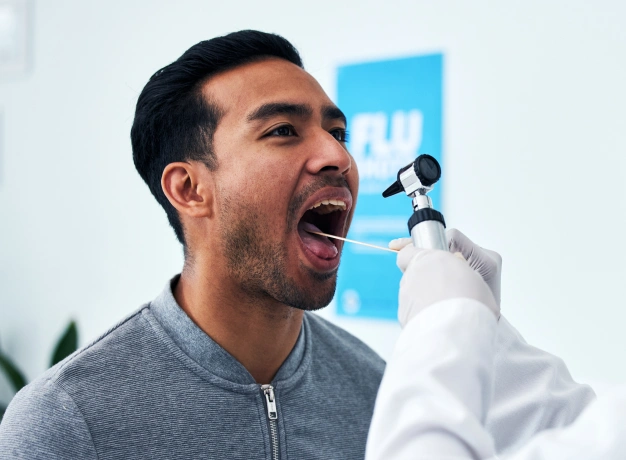
Expert Oral Surgery for a Healthy, Functional Smile
At Coastal Dental Arts, oral surgery goes beyond removing teeth — it’s about restoring your oral health, function, and comfort. Our experienced surgical team provides precise, compassionate care for a wide range of conditions, from impacted wisdom teeth to complex oral procedures. Using advanced technology and modern techniques, we ensure each procedure is safe, efficient, and tailored to your unique needs, helping you regain a healthy, confident smile.
Schedule Your Oral Surgery Consultation
Understanding Wisdom Teeth and Potential Issues
Wisdom teeth are the third and final set of molars that most people get in their late teens or early twenties. Often, these teeth are misaligned, impacted, or partially erupted and may require removal.
Wisdom teeth present potential problems when they are misaligned — they can position themselves horizontally, be angled toward or away from the second molars, or be angled inward or outward. Poor alignment of wisdom teeth can crowd or seriously damage adjacent teeth, the jawbone, or nerves.
Wisdom teeth that lean toward the second molars make those teeth more vulnerable to decay by entrapping plaque and debris. Additionally, wisdom teeth can be completely entrapped within the soft tissue or jawbone or only partially break through the gum. Teeth that remain partially or completely entrapped are termed “impacted.” Partially erupted teeth allow an opening for bacteria to enter around the tooth, which can cause infection and inflammation, resulting in pain, swelling, jaw stiffness, and general illness.
Partially erupted teeth are also more prone to tooth decay and gum disease because their hard-to-reach location and awkward positioning makes brushing and flossing difficult.
When is Oral Surgery Needed
Oral surgery may be necessary for a variety of reasons, including:
- Removal of impacted or problematic wisdom teeth
- Correcting misaligned teeth that affect bite or function
- Treating infections or abscesses that cannot be resolved with medication alone
- Preparing the mouth for dental implants or other restorative procedures
- Repairing jawbone or oral tissue damage from injury or disease
Our experienced oral surgery specialists evaluate each patient carefully, using 3D imaging and advanced surgical techniques to ensure safe, precise, and effective care.
Take the First Step Towards a Healthy Smile
If you are experiencing pain, swelling, or complications from impacted or misaligned teeth, Coastal Dental Arts is here to help. Call 619-858-8080 today to schedule a consultation with Dr. David Chotiner and associates and learn more about oral surgery. Our dentists and team are committed to helping you restore function, comfort, and a healthy, confident smile.
Book Your Oral Surgery Consultation
Frequently Asked Questions
Q. What is oral surgery, and why might I need it?
Oral surgery refers to procedures performed on the mouth, teeth, jaw, and surrounding soft tissues to treat complex dental issues that cannot be resolved through basic restorative care. You may need oral surgery for impacted wisdom teeth, severely decayed or damaged teeth, chronic infections, extractions, jaw pain, bone grafting, or preparation for dental implants. Oral surgery restores health, function, and comfort to your mouth.
Q. What types of oral surgery procedures do you offer?
At Coastal Dental Arts, we provide a broad range of oral surgery services, including:
- Surgical tooth extractions
- Wisdom teeth removal
- Bone grafting
- Exposure of impacted teeth
- Surgical support for dental implant placement
We tailor each surgical plan to your specific needs and comfort level.
Q. Will oral surgery be painful?
We prioritize patient comfort. Most oral surgery procedures are performed with sedation, and the option of sedation is available if you desire extra relaxation. This means you should feel minimal pain during the procedure. After surgery, it’s normal to have some mild soreness, swelling, or pressure. However, we provide pain‑management guidance and after‑care instructions to keep you comfortable throughout healing.
Q. How should I prepare for my oral surgery appointment?
Before surgery, we review your full medical and dental history, medications, and any allergies. You may be asked to fast prior to surgery if sedation is planned. We’ll give you specific instructions about food, medications, and arrival time so you feel ready and informed. If you need a ride home after sedation, plan ahead so you’re safe and comfortable.
Q. What should I expect during the recovery period?
Recovery varies depending on the surgery you had. Generally, you can expect some swelling, mild discomfort, and temporary changes in chewing or movement. We provide detailed after‑care instructions. It includes how to keep the area clean, what to eat, and how to manage discomfort so your healing is smooth and predictable. Most people return to normal activities within a few days, though complete healing may take weeks for deeper procedures.
Q. Are there common risks with oral surgery?
As with any surgical procedure, there are some potential risks, such as infection, bleeding, temporary numbness, swelling, or delayed healing. These are uncommon when procedures are planned carefully and followed by good after‑care. We use precise techniques and comprehensive evaluations to minimize risks and monitor healing closely.
Q. How do I care for my mouth after oral surgery?
After surgery, care usually includes gentle rinsing with warm salt water or a prescribed rinse. It also includes eating soft foods, avoiding vigorous spitting, and brushing gently around the surgical area. You should avoid smoking, alcohol, and very hard or crunchy foods for the first few days. We provide a personalized care plan based on the exact surgery you received.
Q. Will dental insurance cover oral surgery procedures?
Many dental insurance plans provide partial coverage for oral surgery. It happens especially when procedures are performed for medical necessity, like extractions, impacted teeth removal, or surgery related to infection. Coverage varies by plan, so we review your benefits with you and explain what portion may be covered and what you would be responsible for. If insurance doesn’t cover the full cost, we offer flexible payment options to help make treatment accessible.
Q. What types of insurance or payment options do you accept for oral surgery?
We work with many common dental insurance plans, including PPOs and employer‑provided coverage that includes surgical benefits. For patients without insurance or if treatment isn’t fully covered, we also offer flexible payment plans and financing options. Our team helps you understand all available choices so you can make an informed decision without financial stress.
Q. How do I know if I need oral surgery versus a simpler dental treatment?
This determination begins with a thorough evaluation, including an exam, digital imaging, and a review of your symptoms and dental history. If your condition can be resolved with a filling, extraction, or non‑surgical care, we’ll recommend that. Oral surgery is recommended when the problem can’t be effectively addressed with less invasive treatment. It is suggested that surgical intervention will provide the best long-term outcome for your oral health and comfort.