1230 Columbia St. Suite 870 San Diego, CA 92101


By Coastal Dental Arts | September 3, 2026
If you have been searching for dental bonding in San Diego and wondering whether the procedure is painful, you are not alone. Many patients put off small cosmetic fixes like a chipped tooth or a gap between their front teeth simply because they are nervous about discomfort. The good news is that dental bonding is one of the most comfortable and low-stress procedures in cosmetic dentistry. At Coastal Dental Arts in San Diego, our team walks every patient through the process so there are no surprises in the chair.
In this article, we will explain how dental bonding works, what sensations you can actually expect, how long the procedure takes, and how to care for your smile afterward.
What Is Dental Bonding
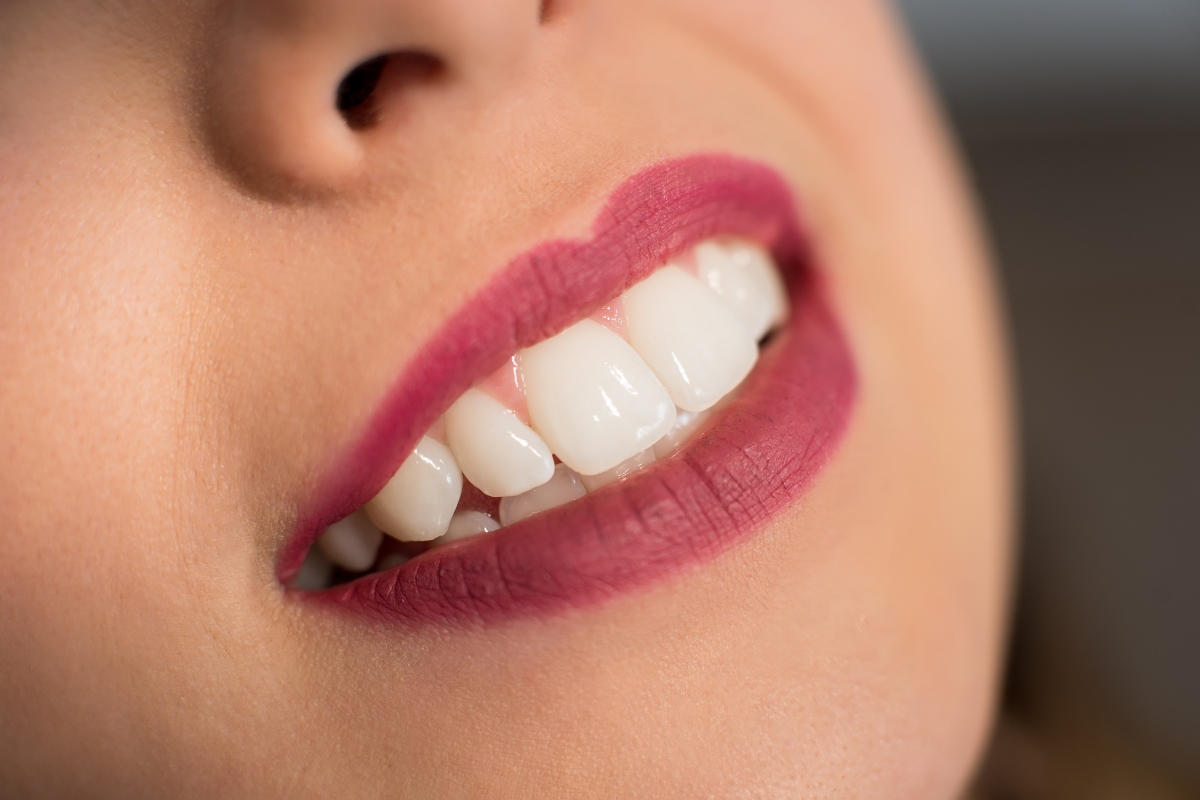
Dental bonding is a cosmetic and restorative treatment that uses a tooth colored composite resin to repair minor imperfections in your smile. The resin is applied directly to the tooth, sculpted into the desired shape, and hardened with a special curing light. Once polished, it blends naturally with the surrounding enamel.
At our dental office, dental bonding in San Diego is commonly used to:
- Repair chipped or cracked teeth
- Correct discolored or stained enamel
- Close small gaps between teeth
- Smooth uneven or worn edges
- Restore minor areas of decay
Because bonding only adds material to the tooth rather than removing large amounts of healthy enamel, it is considered one of the most conservative cosmetic treatments available.
Does Dental Bonding Hurt
For most patients, dental bonding causes little to no pain. Unlike procedures that involve deep drilling or significant tooth reduction, bonding is applied to the surface of the tooth, so there is minimal disturbance to the nerve. Many patients describe the treatment as feeling similar to getting a routine filling, only faster and gentler.
Here is what typically happens during a bonding appointment:
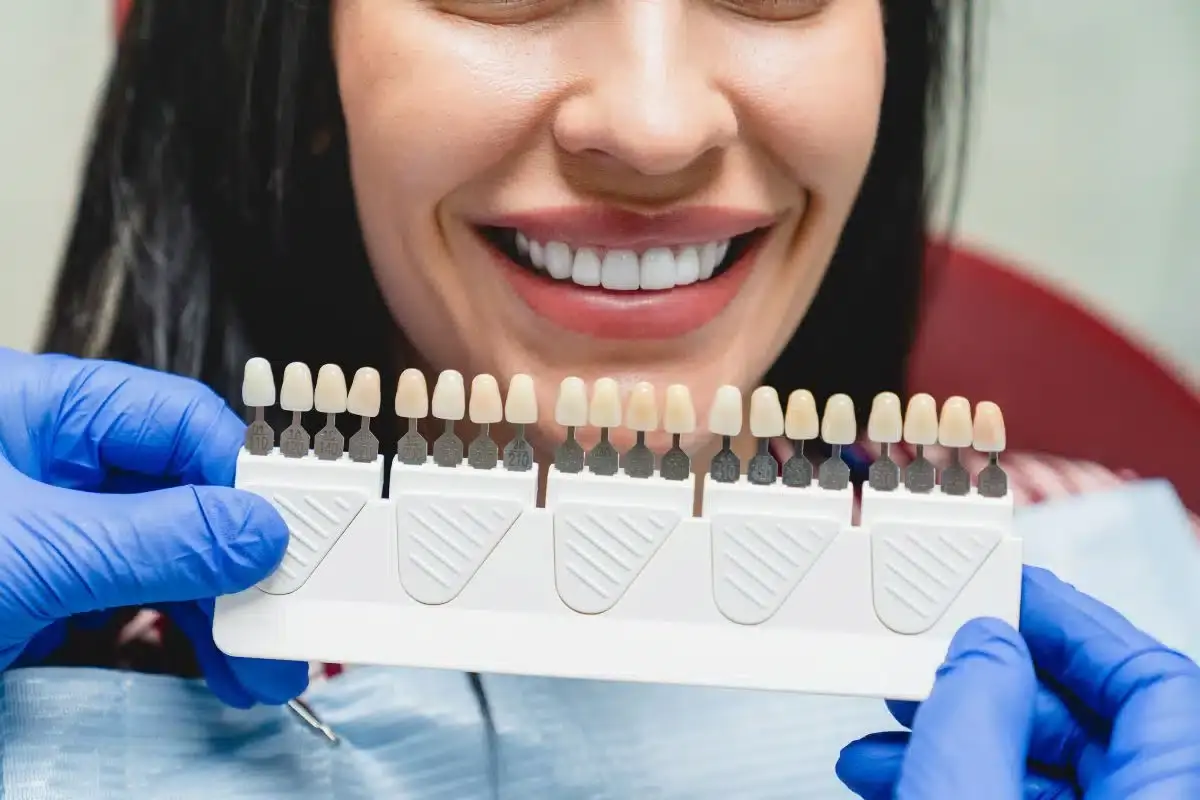
- Your dentist examines the tooth and selects a resin shade that matches your natural teeth.
- The surface of the tooth is lightly roughened, and a bonding agent is applied to help the resin adhere.
- The composite resin is layered onto the tooth and shaped by hand.
- A curing light hardens each layer in seconds.
- The tooth is trimmed and polished for a smooth, natural finish.
If the bonding is being used to correct minor decay or if the tooth is sensitive, local anesthesia can be offered, although it is often unnecessary. Most patients feel some light pressure or vibration from the shaping tools, but this is not the same as sharp pain. If any discomfort does occur, it is usually mild and manageable, similar to the sensation of a routine dental cleaning.
What Sensations Are Normal After the Procedure
It is common to notice mild tooth sensitivity to hot or cold for a day or two after bonding. This typically fades on its own as the tooth adjusts to the new material. If sensitivity lasts longer than a few days or feels intense, it is a good idea to contact your dentist so the bite and surface can be checked.
You should not experience ongoing pain after dental bonding. If you do, this could be a sign that the bonding needs a minor adjustment, which our team can usually resolve quickly during a follow-up visit.
How Long Does the Dental Bonding Procedure Take
One of the biggest advantages of bonding is speed and convenience. Most bonding procedures take less than an hour per tooth, and many patients complete treatment in a single visit with no downtime. This makes it an appealing option for anyone who wants to improve their smile before a big event or simply does not want to take time away from a busy schedule.
How Long Does Dental Bonding Last
While traditional silver fillings tend to last around five to seven years, composite bonding can last seven to eleven years or longer with proper care. Good oral hygiene habits, along with regular checkups, help extend the life of your bonded teeth and keep your smile looking its best.
Tips for Caring for Bonded Teeth
To protect your investment and keep your smile comfortable, we recommend the following:
- Brush twice daily and floss once a day, just as you would with natural teeth
- Avoid biting on ice, hard candy, or pens, since this can chip the resin
- If you grind your teeth at night, ask our team about a protective night guard
- Keep up with regular dental visits so we can monitor the bonding and polish it as needed
If you want to see real before-and-after results and learn more about how this treatment fits into an active San Diego lifestyle, take a look at our related article, Transform Your Smile with Dental Bonding.
Is Dental Bonding Right for You
Dental bonding is an excellent choice for patients with minor cosmetic concerns who want a quick, affordable, and minimally invasive solution. It is not intended for major structural changes or extensive reshaping, in which case porcelain veneers or crowns may be a better fit. During a consultation, our dentists will evaluate your smile and recommend the option that will give you the most natural and long-lasting results.
Why Choose Coastal Dental Arts for Dental Bonding in San Diego
Located in the heart of San Diego at 1230 Columbia Street, we have helped countless patients achieve confident, natural-looking smiles through dental bonding and other cosmetic treatments. Dr. David Chotiner and our experienced team take the time to explain every step of the process, answer your questions, and make sure you feel comfortable from the moment you sit down in the chair.
Our patients consistently mention how relaxed and well cared for they feel during their visits, and our goal is to make every dental bonding appointment a stress-free experience, from consultation to final polish.
Frequently Asked Questions About Dental Bonding
Is dental bonding painful during the procedure?
Most patients feel little to no pain during dental bonding. The treatment works on the surface of the tooth, so anesthesia is rarely needed. You may feel light pressure as the resin is shaped, but this is not the same as sharp or lasting pain.
Will I need numbing or anesthesia for dental bonding?
In most cases, no. Since bonding does not usually involve drilling near the nerve, local anesthesia is often unnecessary. If the tooth is being treated for decay or is especially sensitive, your dentist can offer numbing as an option for added comfort.
Is there any pain after the bonding is complete?
You should not experience real pain once the procedure is finished. Some patients notice mild sensitivity to hot or cold for a day or two, which typically fades on its own. Ongoing pain is not normal and should be reported to your dentist.
How does the pain level compare to a filling?
Dental bonding generally feels gentler than a traditional filling because less of the natural tooth is altered. Many patients say the experience is quick, comfortable, and far easier than they expected.
Can dental bonding hurt existing sensitive teeth?
If your tooth is already sensitive before treatment, your dentist can take extra steps, such as applying a desensitizing agent or local anesthesia, to keep you comfortable throughout the appointment.
What can I do if I feel nervous about pain before the appointment?
Talk to your dentist beforehand about any anxiety or concerns. At Coastal Dental Arts, our team is happy to walk you through each step of the process so you know exactly what to expect and feel at ease in the chair.
How soon can I eat or drink after dental bonding?
You can eat and drink almost immediately after treatment. We recommend avoiding very hard, sticky, or staining foods and beverages for the first 24 hours while the bonding fully settles.
Does dental bonding hurt more than teeth whitening or veneers?
Bonding is typically more comfortable than veneers, since veneers often require some enamel removal. It is also a different type of treatment than whitening, but neither procedure should cause significant discomfort when performed by an experienced dentist.
Schedule Your Dental Bonding Consultation Today
If a chipped tooth, small gap, or stained enamel has been holding back your smile, dental bonding may be the simple fix you have been looking for. There is no need to worry about pain or a long recovery. In most cases, you will walk out with a refreshed smile in about an hour.
Call our dental office today at (619) 786-3635 to schedule your dental bonding consultation in San Diego, or book your appointment online at your convenience. Our team is ready to help you love your smile again.