1230 Columbia St. Suite 870 San Diego, CA 92101

By Coastal Dental Arts | May 25, 2026
The short answer is that implants are designed to be a long-term tooth replacement solution, and the implant post itself can often last for decades. However, the restoration attached to it, such as the crown, may eventually need maintenance or replacement. Longevity depends on oral hygiene, overall health, bite forces, and the quality of treatment.
At Coastal Dental Arts, our team regularly helps patients understand the long-term expectations of implant treatment. Drawing on years of implant experience, Dr. David Chotiner educates patients about what truly determines implant longevity and how small daily habits can influence outcomes years later. If you are considering replacing missing teeth, schedule a consultation to learn whether dental implants in San Diego are the right fit for your smile goals.
What Does “Permanent” Really Mean for Implant Treatment
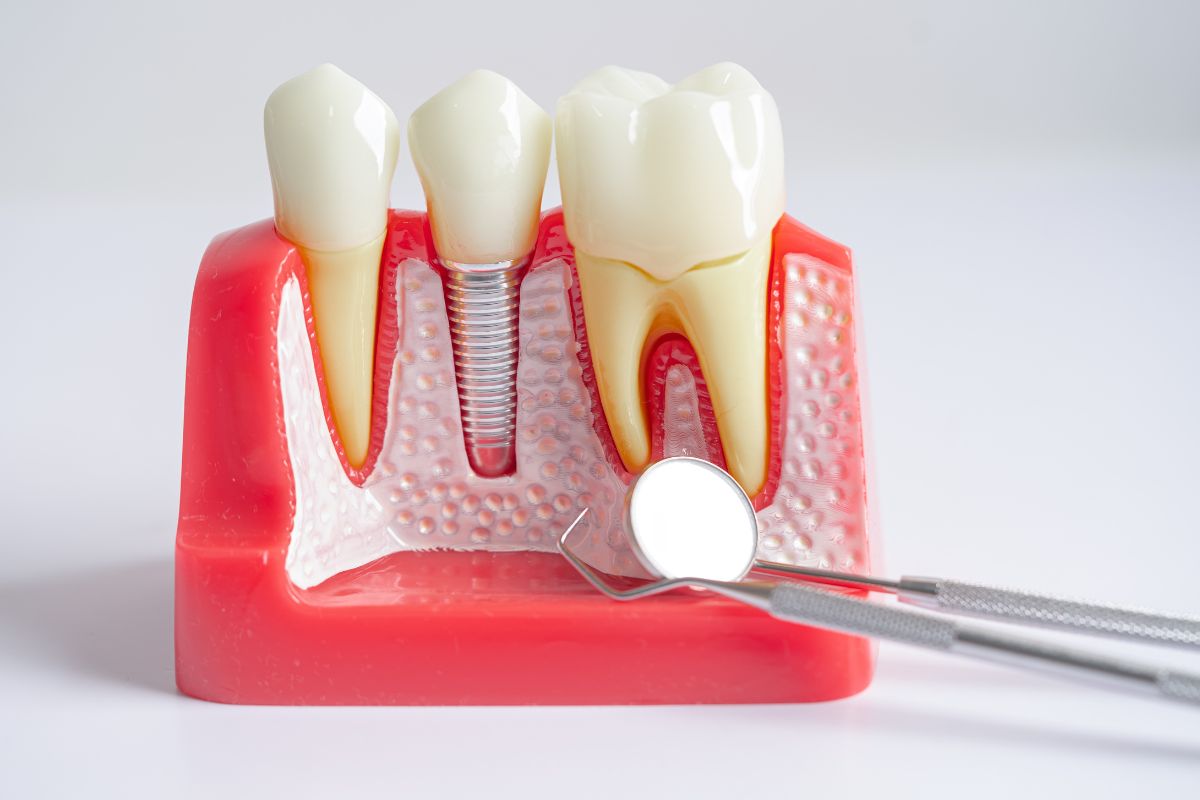
Implants are considered permanent because they integrate directly with the jawbone. Unlike removable dentures, they become part of your oral structure through a biological process called osseointegration.
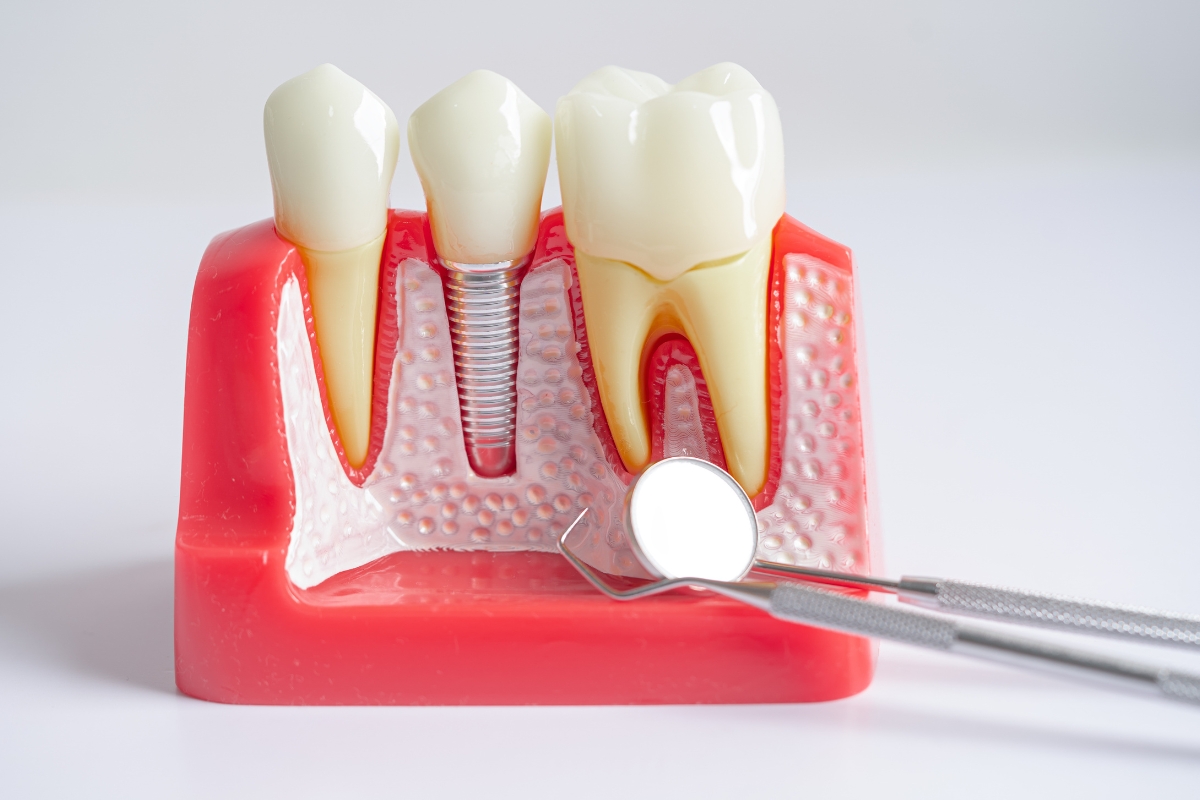
The titanium implant post is surgically placed into the jawbone. Over several months, bone cells fuse to the implant surface, creating a stable foundation that functions similarly to a natural tooth root.
This fusion is what separates implants from other tooth replacement options. Bridges depend on neighboring teeth for support, while dentures rest on the gums. Implants derive their strength directly from the jawbone.
That said, “permanent” does not mean indestructible. Just like natural teeth, implants require ongoing care and monitoring to remain healthy for decades.
How Long Do Implants Typically Last
Most San Diego dental implants can last 20 years or longer, and many remain functional for a lifetime when properly maintained. Clinical studies consistently show high long-term success rates when patients follow recommended oral hygiene and maintenance routines.
However, it is important to understand that a dental implant consists of several components. Each part experiences different levels of stress and may have a different lifespan.
The Implant Post Often Lasts the Longest
The implant post is the titanium fixture placed inside the jawbone. Once it fully integrates with the surrounding bone, it becomes an extremely stable foundation.
As it sits beneath the gums and is protected by bone, the implant post can remain functional for decades. Many patients never need to replace the implant itself. Long-term success largely depends on maintaining healthy gums and supporting bone around the implant.
The Abutment Is Designed for Long-Term Stability
The abutment is the connector piece that attaches the replacement tooth to the implant post. It is engineered to withstand daily chewing forces and generally performs well for many years.
Although problems with the abutment are uncommon, routine dental visits allow your provider to ensure it remains secure and functioning properly.
The Crown May Need Replacement Over Time
The visible crown experiences the greatest amount of wear because it handles daily biting and chewing forces. While modern crowns are highly durable and stain-resistant, they are still subject to normal aging.
Many implant crowns last well over a decade before requiring replacement. Factors such as teeth grinding, bite pressure, oral hygiene habits, and dietary choices can influence how long the restoration maintains its appearance and function.
Factors that Influence Implant Longevity
No two patients have identical outcomes. Some people enjoy decades of trouble-free implant function, while others may require maintenance or restoration updates sooner.
- Oral hygiene habits
- Gum health
- Bone quality and density
- Smoking or tobacco use
- Teeth grinding or clenching
- Overall medical health
- Regular professional dental care
A useful way to think about implant longevity is to compare it to a home. The foundation may remain strong for generations, while certain visible components occasionally require maintenance or replacement. The goal of modern implant dentistry is to create a stable foundation that supports your smile for as long as possible.
Why Do Some Implants Last Longer Than Others?
Implant longevity depends on a combination of biological health, oral hygiene, lifestyle habits, and treatment planning. No single factor determines success.
Several elements influence lifespan:
Quality of Jawbone Support
Healthy bones provide the stability implants need.
Patients with adequate bone volume generally experience excellent long-term outcomes. When bone loss has occurred, procedures such as bone grafting may be recommended before implant placement to create a stronger foundation.
Daily Oral Hygiene
Plaque does not discriminate between natural teeth and implants.
Consistent brushing, flossing, and professional cleanings help prevent peri-implant disease, a condition similar to gum disease that can threaten implant stability.
Bite Forces and Teeth Grinding
Excessive pressure can shorten the lifespan of restorations.
People who clench or grind their teeth may place tremendous force on implant crowns during sleep. Protective night guards often help reduce this stress.
Smoking and Tobacco Use
Smoking significantly affects healing and long-term implant health.
Reduced blood flow can interfere with tissue maintenance around implants and increase the risk of complications.
Medical Conditions
Certain health conditions require closer monitoring.
Uncontrolled diabetes, compromised immune function, and other systemic conditions may affect healing and long-term stability if not properly managed.
Why Choosing the Right Implant Specialist Matters
The quality of your implant treatment can have a lasting impact on how long your restoration performs. While implants are designed to be durable, their success depends heavily on careful planning, precise placement, and ongoing professional care.
Implant Success Starts Long Before Surgery
A successful procedure begins with a thorough evaluation of your oral health. Factors such as bone density, gum condition, bite alignment, and medical history must all be considered before treatment begins.
When these details are properly assessed, the implant can be positioned for optimal stability and long-term function. This planning phase helps reduce complications and creates a stronger foundation for a lasting result.
Precision Placement Can Influence Lifespan
Implants must be placed in the correct position, angle, and depth to perform at their best. Even small variations can affect chewing efficiency, oral hygiene access, and the distribution of biting forces.
Proper placement helps protect surrounding bone and gum tissue while ensuring the restoration looks natural and feels comfortable. This attention to detail can contribute significantly to the long-term success of the implant.
Comprehensive Care Makes a Difference
Implant treatment does not end once it is placed. Regular evaluations, professional cleanings, and ongoing monitoring help ensure the surrounding tissues remain healthy.
An experienced implant provider will continue to assess your implant during routine visits and identify potential concerns before they become more serious problems. This proactive approach helps support long-term stability and function.
Can Implants Fail Years Later?
Yes, although uncommon, implant complications can occur even after many years of successful function. Most long-term issues develop gradually rather than suddenly. Late complications often involve the surrounding tissues rather than the titanium implant itself.
Potential causes include:
- Chronic gum inflammation
- Peri-implantitis
- Excessive bite pressure
- Poor oral hygiene
- Untreated teeth grinding
- Smoking-related tissue damage
The encouraging news is that many problems are preventable and often detectable early during routine examinations.
Much like maintaining a boat dock near the waterfront, addressing small signs of wear early prevents larger structural problems later.
What Are the Warning Signs of Implant Problems?
Healthy implants should feel stable, comfortable, and natural. Any change in comfort, appearance, or function deserves professional evaluation.
Contact your dental provider if you notice:
- Bleeding around the implant
- Persistent gum inflammation
- Bad taste or drainage
- Pain during chewing
- Implant mobility
- Gum recession around the restoration
- Changes in bite alignment
Many patients mistakenly assume implants are maintenance-free. In reality, regular evaluations help identify small concerns before they become significant complications.
Tips to Make Your Implanted Tooth Last as Long as Possible
Excellent oral hygiene and regular professional care remain the most effective ways to maximize implant lifespan.
Consider these practical habits to ensure your dental implants in San Diego remain in pristine condition:
- Brush Thoroughly Every Day: Use a soft-bristled toothbrush and clean around implant restorations carefully.
- Clean Between Teeth Daily: Floss, interdental brushes, or water flossers help remove plaque from difficult-to-reach areas.
- Keep Routine Dental Visits: Professional examinations allow early detection of tissue changes and restoration wear.
- Protect Against Grinding: If you grind your teeth, wearing a night guard may help protect implant restorations.
- Avoid Using Teeth as Tools: Opening packages, chewing ice, or biting hard objects increases unnecessary stress.
- Maintain Overall Health: Good nutrition, blood sugar control, and avoiding tobacco contribute to healthier implant-supporting tissues.
A Personalized Assessment Makes All the Difference
Implants are among the longest-lasting tooth replacement solutions available today. While no restoration can be guaranteed to last forever, the implant post itself often remains functional for decades when supported by healthy bone, excellent oral hygiene, and routine professional care.
If you are exploring implant treatment in San Diego, the best next step is a personalized evaluation. At Coastal Dental Arts in San Diego, our team carefully assesses your oral health, bone structure, and treatment goals to determine the most appropriate approach. Schedule a consultation today to learn how an implant can help restore your smile with lasting confidence. Hurry, book your appointment today!
Frequently Asked Questions (FAQs)
Can a dental implant last the rest of my life?
Yes, many implant posts remain functional for decades. With excellent oral hygiene, regular examinations, and healthy supporting bone, some patients keep their implants for life.
How often should dental implants be checked?
Most patients should have implants evaluated during routine dental visits. Regular monitoring helps identify tissue inflammation, bite issues, or restoration wear before larger problems develop.
Do implant crowns last forever?
No. Implant crowns experience daily chewing forces and normal wear. Many last well over a decade, but eventual replacement may be necessary even when the implant remains healthy.
What causes dental implants to fail?
Common causes include peri-implant disease, smoking, poor oral hygiene, uncontrolled medical conditions, and excessive bite forces. Early intervention often improves treatment outcomes significantly.
Are implants stronger than natural teeth?
Implants are extremely durable, but they do not have the same ligament structure as natural teeth. Proper care and avoiding excessive force remain important for longevity.
Can bone loss occur around implants?
Yes. Bone loss can develop if inflammation or infection affects the surrounding tissues. Consistent professional maintenance and daily cleaning help protect implant-supporting bone.
Is age a limitation for dental implants?
Age alone is rarely a barrier. Overall health, bone quality, and healing capacity are generally more important factors than a person’s chronological age.