1230 Columbia St. Suite 870 San Diego, CA 92101

By Coastal Dental Arts | May 18, 2026
Do you cringe every time you smile in photos? Maybe you have a chipped tooth you’ve been hiding, or your teeth have picked up years of staining from morning coffee runs along the Embarcadero. You are not alone. Many people in San Diego deal with dental concerns that make them feel self-conscious, and veneers could be the solution they have been looking for.
Dental veneers have become one of the most requested smile treatments in recent years. They cover imperfections, create a uniform look, and give you a smile that feels natural. But here’s the part most people get stuck on: should you go with porcelain or composite?
The answer depends on your daily habits, your dental health, and what you want your smile to look and feel like over time. At Coastal Dental Arts, Dr. David Chotiner takes the time to walk every patient through their options so they can make a choice that truly fits their life. Let’s break it all down.
If you are looking for dental veneers in San Diego, consult with our dentist to explore the right veneer material for your smile goals, lifestyle, and long-term oral health.
What Are Dental Veneers?
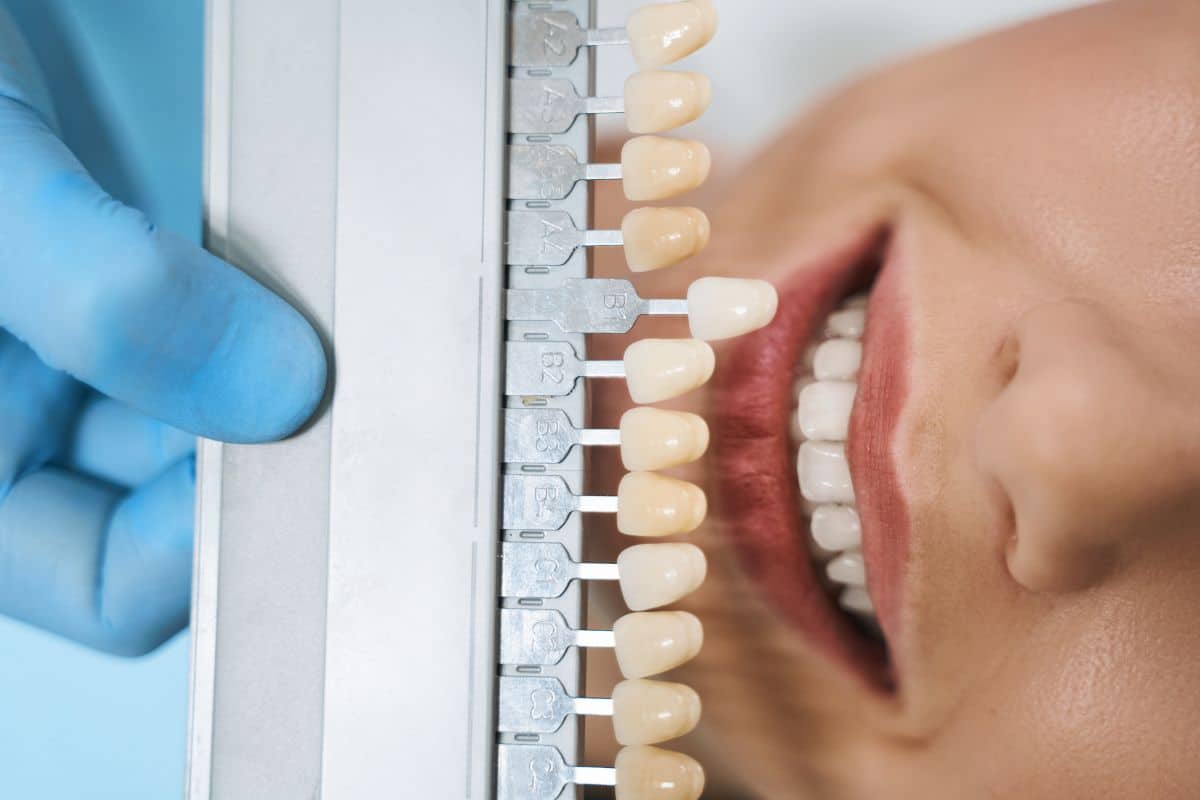
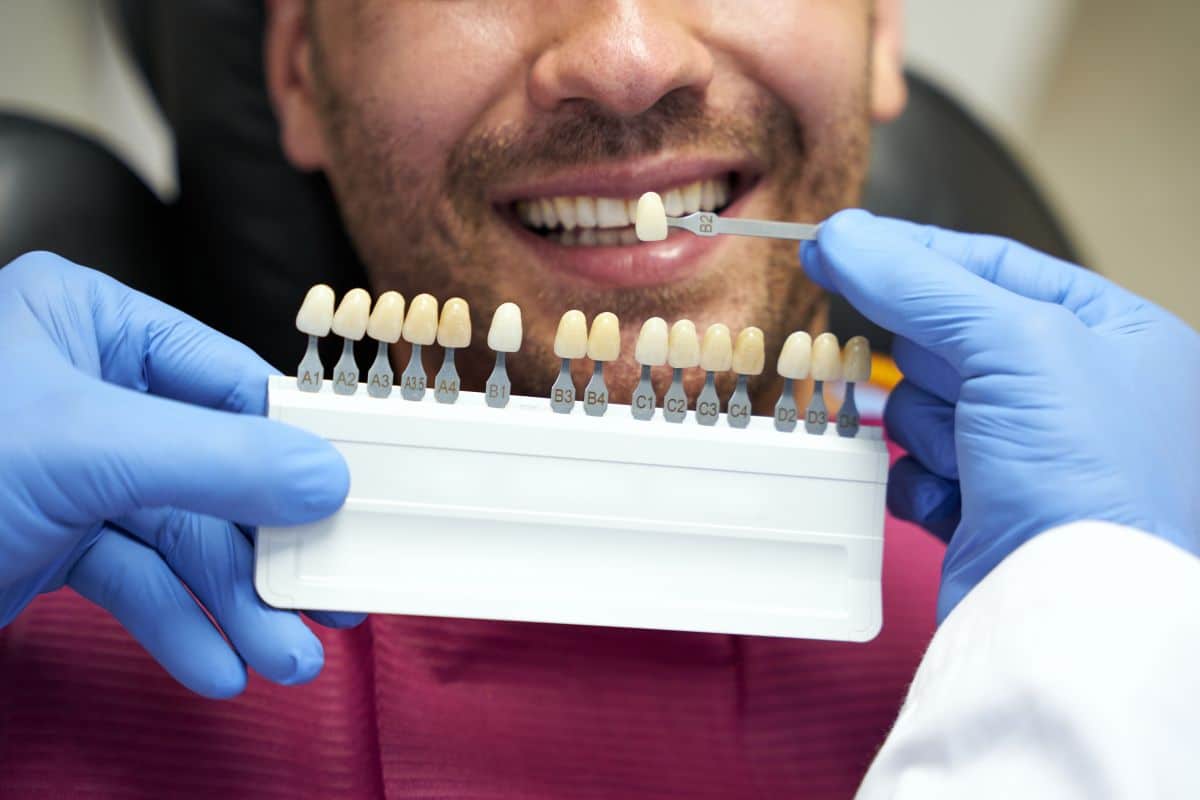
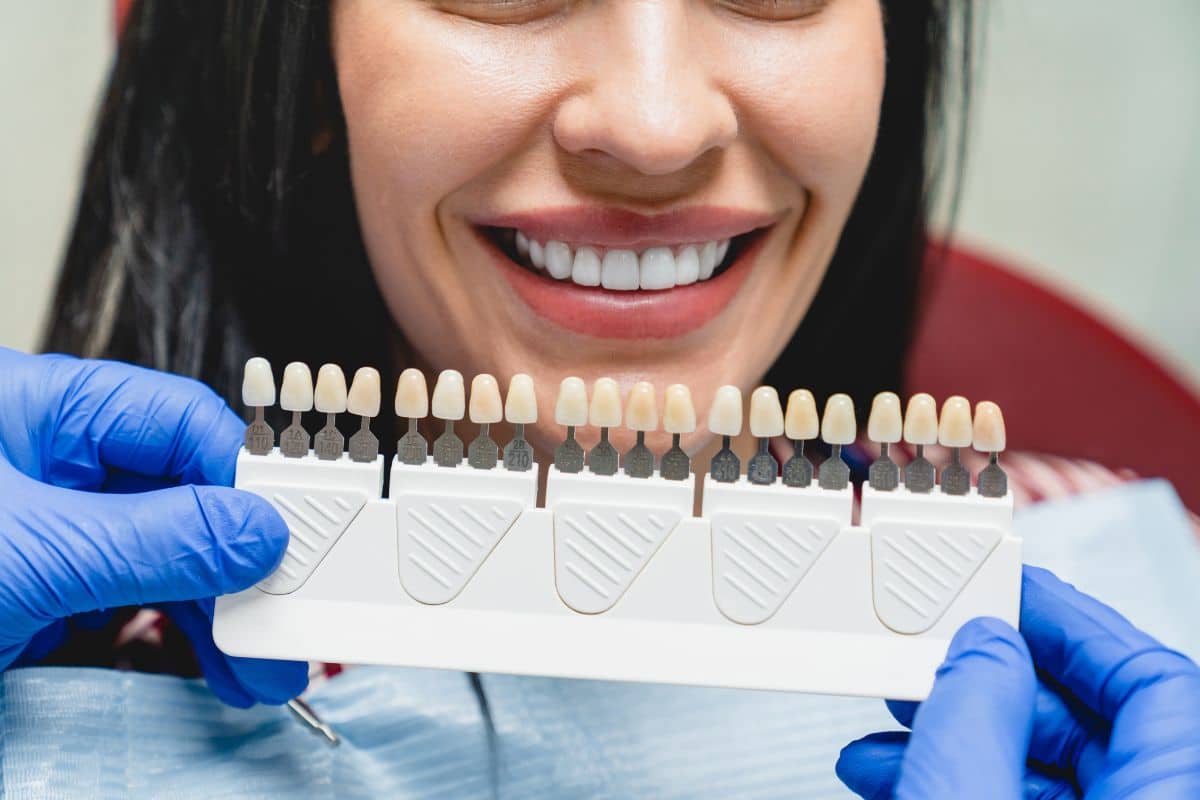
They are thin shells or coverings placed over the front surface of your teeth. They are used to cover chips, cracks, gaps, staining, or uneven tooth shapes. Once bonded to your teeth, they look and function just like natural teeth.
There are two main types used today:
- Porcelain tooth shells– made from a custom ceramic material in a dental lab
- Composite shells– made from a tooth-colored resin material, often applied directly in the office
Both can completely change the appearance of your smile. The key is choosing the right option depending upon your needs.
Porcelain Veneers: Built to Last
They are crafted from high-quality ceramic. They are made in a lab and then bonded to your teeth during a follow-up appointment. Most people need at least two visits to complete the process.
Why Do People Living in San Diego Prefer Porcelain?
San Diego is a city known for its active, outdoor lifestyle. People here paddleboard, hike, and spend weekends at the beach. If your social life keeps you visible- at events, out with friends, or on the job, you likely want results that look truly polished and hold up for the long run.
Here’s What Makes Porcelain A Strong Choice:
- Long lifespan– Porcelain shells can last 10 to 15 years or longer with proper care
- Stain resistance– They resist discoloration from coffee, red wine, and foods that would normally stain teeth
- Natural light reflection– Porcelain reflects light the same way natural tooth enamel does, giving a realistic, luminous look
- Strong surface– The material handles the pressure of daily chewing and does not wear down easily
- Custom fit– Each veneer is designed to match the shape, size, and color of your surrounding teeth.
Because porcelain is shaped in a lab, it yields very precise results. For anyone wanting a long-term, low-maintenance smile, porcelain is often the preferred path.
Things to Keep in Mind
Getting porcelain tooth shells requires removing a small amount of enamel from the tooth surface. This makes the process irreversible. Once you start, your teeth will always need veneers. However, most patients happily accept it because of how dramatically it improves their smile.
Composite Veneers: Flexible and Fast
They use a tooth-colored resin material. The cosmetic dentist applies and sculpts the resin directly onto your teeth, usually in a single appointment. The process is quicker and requires less or sometimes no enamel removal.
Who Might Be a Good Fit
These dental restorations are often a great choice for:
- Patients who want to see results in just one visit
- Those who want a reversible or adjustable option
- People looking to fix a single tooth or a minor cosmetic issue
- Younger patients whose dental needs may still change
Key advantages of composite veneers:
- Faster treatment– Can often be completed in one appointment
- Less enamel removal– Many cases require little to no enamel reduction
- Easy to repair– If the veneer chips, a cosmetic dentist can often fix it the same day
- Adjustable– The shape and size can be changed more easily than porcelain
What to Consider Before Choosing Composite
Composite does not resist staining as well as porcelain. If you drink coffee daily, enjoy red wine, or smoke, you may notice discoloration over time. The material is also less hard than porcelain, which means it may chip or wear down faster depending on your habits.
They typically last 5 to 7 years before they need touch-ups or replacement. With regular care, they can stay looking good for several years, but you will likely need maintenance sooner than with porcelain.
Side-by-Side: Porcelain vs. Composite
| Feature | Porcelain Veneers | Composite Veneers |
| Lifespan | 10–15+ years | 5–7 years |
| Stain resistance | High | Moderate |
| Appointments needed | 2 or more | Usually 1 |
| Enamel removal | Yes, a small amount | Minimal or none |
| Repairability | Not easily repaired | Can be repaired |
| Appearance | Highly natural | Natural |
| Reversibility | Irreversible | More reversible |
What the Veneer Process Looks Like
No matter which type you choose, the process starts with a consultation. Here, what to expect-
For Porcelain Tooth Shells:
- Consultation– Your dentist reviews your teeth, discusses your goals, and takes X-rays or photos
- Tooth preparation– A thin layer of enamel is removed from the front of the teeth
- Impressions– Molds or digital scans are taken and sent to a dental lab
- Temporary tooth shells-You may wear temporary veneers while your permanent ones are being made
- Placement– The permanent restorations are bonded to your teeth and adjusted for fit and bite
For Composite Veneers:
- Consultation– Your dentist discusses your goals and checks your teeth
- Tooth preparation– Minimal to no enamel is removed
- Application– Resin is applied, shaped, and hardened using a curing light
- Finishing– The veneer is polished to a smooth, natural finish
Both processes are straightforward. Recovery time is minimal, and most patients leave the office already loving their results.
Ready to Take the Next Step? Here’s How to Begin
Whether you are leaning toward porcelain or still weighing your options, the most important step is to talk with our cosmetic dentist, who can examine your actual teeth and provide real guidance. Not every smile needs the same solution, and a personalized consultation makes all the difference.
At Coastal Dental Arts, Dr. David Chotiner and the team are here to help you achieve the smile you have always wanted. We offer both porcelain and composite veneers, and we will guide you through every step of the decision-making process. Getting dental veneers in San Diego has never been more accessible, and it all starts with one conversation.
Book an appointment with us today at our San Diego office located at 1230 Columbia St., Suite 870, San Diego, CA 92101. We look forward to helping you smile with real confidence.
Frequently Asked Questions
How long do dental veneers last?
Porcelain veneers generally last 10 to 15 years, while composite ones may need to be replaced or touched up after 5 to 7 years. Proper oral hygiene and regular dental check-ups help significantly extend their lifespan.
Do veneers look like real teeth?
Yes. Both porcelain and composite veneers are designed to closely match the color and shape of natural teeth. A cosmetic dentist customizes them to blend in seamlessly with your surrounding teeth.
Is the veneer process painful?
Most patients experience little to no discomfort during the procedure. Local anesthesia is used if any enamel needs to be removed, keeping you comfortable throughout. Any minor sensitivity afterward usually fades within a few days.
Can veneers fix chipped or discolored teeth?
Yes. They are a common solution for chips, cracks, gaps, and staining. They cover the front surface of the tooth and give it a fresh, even appearance. Speak with a dentist to confirm which type is right for your specific concern.
Are veneers a permanent treatment?
Porcelain tooth shells are considered a permanent option because a small amount of enamel is removed during preparation. Composite ones are more flexible and, in some cases, reversible. Your dentist will help you understand what to expect before any treatment begins.
Will I need to change my diet after getting veneers?
You won’t need to make major changes, but it helps to limit habits that can stain or damage your veneers- like biting into hard foods with your front teeth or drinking heavily pigmented beverages frequently. Your dental team will give you specific aftercare guidance at your appointment.