1230 Columbia St. Suite 870 San Diego, CA 92101


By Coastal Dental Arts | April 3, 2026
If you’ve recently restored a cavity or are planning one, it’s natural to question how long the results will truly hold up. Many patients researching dental fillings in San Diego are not just looking for a quick fix—they want durability, comfort, and long-term reliability.
In fact, when evaluating fillings, the focus should extend beyond placement. Longevity depends on how the material performs under daily stress, adapts to your bite, and responds to long-term habits. With modern advancements, composite materials are made to provide both strength and aesthetics. However, their lifespan depends on multiple clinical and lifestyle factors. To know them. Continue reading.
What Makes Composite Fillings Different From Traditional Options?
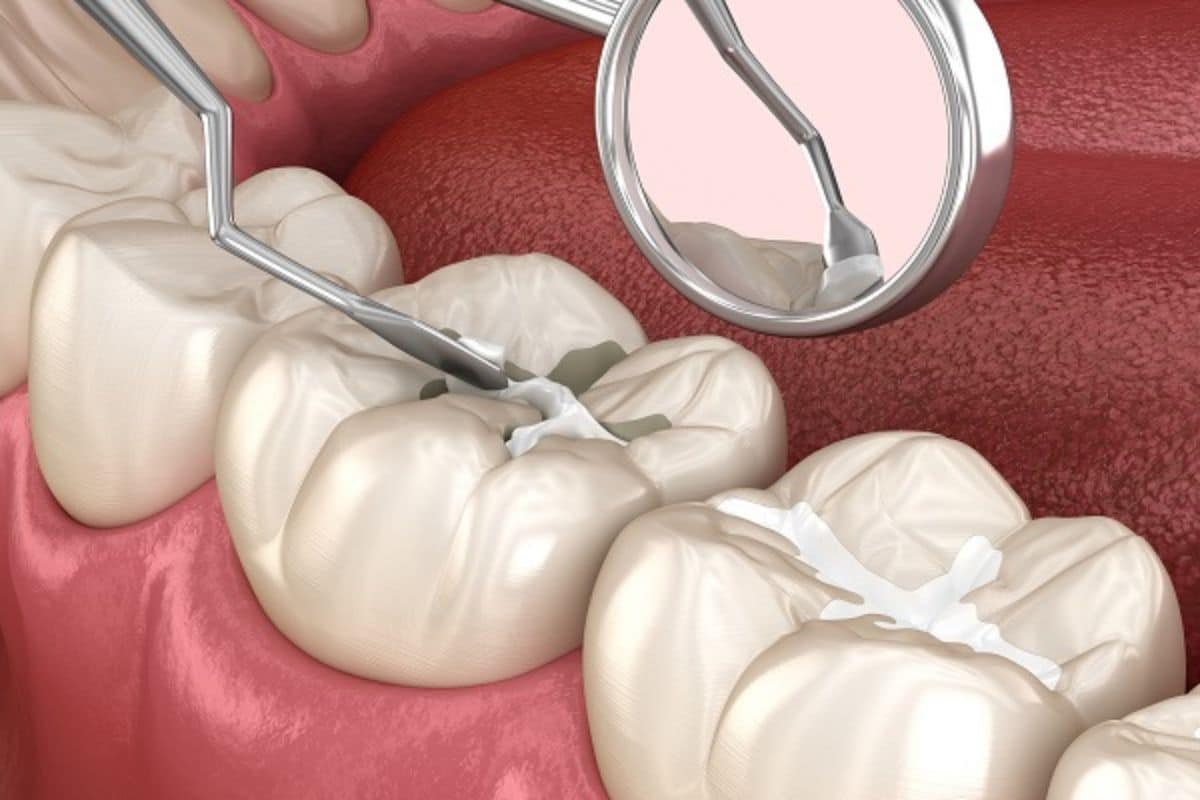
Composite restorations are made from a resin matrix combined with finely ground glass particles. This composition of dental fillings in San Diego allows them to bond chemically to the natural tooth.
Unlike traditional amalgam, which relies on mechanical retention, composite bonding reinforces the remaining tooth structure. This reduces the risk of fractures and helps preserve more natural enamel.
From a clinical standpoint, adhesive dentistry has significantly improved outcomes. Studies show that bonded restorations reduce microleakage, helping prevent recurrent decay beneath the tooth repair.
How Long Do Composite Fillings Usually Last?
On average, composite restorations last between 5 to 10 years.
However, well-placed composite fillings can last even longer. Research published in the Journal of Adhesive Dentistry indicates a 10-year survival rate of 85% to 90%, depending on oral hygiene and placement technique.
Smaller restorations in low-pressure areas often exceed this range, while larger restorations in molars may require earlier replacement due to higher chewing forces.
What Are The Factors That Influence Synthetic Resins Durability?
Several elements determine how long a composite restoration maintains its appearance and function:
- Dietary habits: Frequent consumption of acidic or sugary foods can accelerate wear and tear.
- Oral hygiene: Regular brushing, flossing, and rinsing reduce plaque buildup around restorations.
- Grinding or clenching: Known as bruxism, this can stress materials and shorten lifespan.
- Placement depth and tooth structure: Deeper cavities or weaker enamel can lead to faster deterioration.
Using high-quality materials and following proper maintenance strategies significantly improves composite fillings’ longevity. As a result, it allows patients to enjoy a confident smile without frequent repairs.
How To Extend The Life Of Tooth-Colored Fillings?
A few proactive steps can significantly prolong the effectiveness of your restorations:
- Brush twice daily with a non-abrasive toothpaste.
- Floss carefully to prevent plaque accumulation around the restored tooth.
- Limit intake of highly pigmented or acidic foods and beverages.
- Use a nightguard if you grind your teeth.
- Schedule routine dental checkups for professional evaluation.
These measures are essential for enhancing long-term restorative results while enjoying everyday activities without worry.
What Are The Early Signs Of Filling Failure?
Even with careful maintenance, signs that a composite restoration may need attention include:
- Visible chips, cracks, or discoloration.
- Sensitivity to hot, cold, or sweet foods.
- A rough or uneven bite that causes discomfort.
Locals in Daygo may notice minor sensitivity during seasonal changes, like cooler winter days or after enjoying sweet treats while strolling through Balboa Park. Recognizing these early signs helps prevent complications, maintain comfort, and protect your long-term oral health.
Are Resin-Based Composites A Reliable Long-Term Option?
Yes, modern composite materials are highly reliable when installed correctly and properly maintained. They offer a balance of aesthetics, strength, and preservation of natural tooth structure. Advances in adhesive technology and material science continue to improve their performance. For many patients, they provide a predictable and durable solution for restoring decayed or damaged teeth.
How Does San Diego’s Lifestyle Influence Filling Longevity?
For families in America’s Finest City, lifestyle and environment play a subtle but important role in how long restorations last.
Coastal living often involves frequent exposure to acidic foods, fresh fruit, iced beverages, and outdoor dining on boardwalks or beachside patios. Sun-filled days and warm weather encourage cold drinks, smoothies, and citrus juices. These can gradually affect the surface of composite materials.
Active lifestyles common in the city, like surfing at La Jolla Shores, biking along Mission Bay, or weekend hikes in Torrey Pines, can also lead to frequent snacking and higher exposure to staining foods. Without consistent oral hygiene, these habits may reduce long-term durability.
Being aware of these local habits and taking small preventive steps, like rinsing after meals, helps maintain the health of your dental work. Practicing proper brushing and flossing also supports their strength and appearance for years to come.
Relief And Comfort For Your Restored Smile Is Here!
Experiencing sensitivity or discomfort after a tooth repair can feel worrying. But most of these sensations are temporary and part of the healing process. You don’t have to live with lingering pain or guess if something is wrong.
At our practice, Coastal Dental Arts, we ensure your dental fillings in San Diego are properly fitted and aligned with your bite. This helps reduce pressure, irritation, and prolonged sensitivity. With the right guidance and adjustments, you can regain comfort and confidently enjoy everyday activities in the city. If you have a composite filling and continue to experience persistent or unusual tooth pain, don’t hesitate to schedule an appointment. Our dedicated team is prepared to offer care, alleviate your discomfort, and restore your smile to its full comfort.
Frequently Asked Questions (FAQs)
How long do resin-based composites usually last?
Composite restorations generally last between 5 and 10 years, depending on size, location, and oral habits. Proper care, including hygiene and regular checkups, can extend their lifespan.
Why do composite fillings cause tooth sensitivity?
Sensitivity occurs because the tooth repair can temporarily irritate the inner nerve, especially after deep decay removal. This usually resolves within a few days as the tooth adjusts.
Can composite fillings be repaired or replaced?
Yes, damaged or worn tooth-colored fillings can often be repaired or replaced without removing additional tooth structure. Early evaluation prevents further decay or structural issues.
Do composite fillings change color over time?
Composite materials can gradually stain from foods, drinks, and lifestyle habits. Regular maintenance, polishing, and limiting high-pigment foods help preserve their natural appearance.
Are composite fillings stronger or more durable than other materials?
White fillings are ideal for small- to medium-sized restorations and blend naturally with teeth. However, in high-pressure areas, materials like ceramic or amalgam may offer greater durability.