1230 Columbia St. Suite 870 San Diego, CA 92101

By Coastal Dental Arts | October 27, 2025
Dental implants have become a significant advancement in restorative dentistry, offering a reliable and lasting solution for tooth loss. While many are familiar with their ability to restore functionality, dental implants also play a crucial role in maintaining jawbone health and improving facial aesthetics.
This blog will explore how dental posts prevent jawbone loss, their impact on facial shape, the types of implants available, and their benefits.
Understanding the Link Between Tooth Loss and Jawbone Health
When a tooth is lost, the underlying jawbone begins to weaken over time due to a lack of stimulation. Healthy teeth naturally stimulate the jawbone when chewing and speaking, maintaining strength and density. Without this stimulation, the jawbone resorbs, leading to bone loss. As this process continues, the facial structure may change, causing the face to appear sunken or aged.
These tooth restorations are designed to mimic the root of a natural tooth. When placed in the jaw, they provide the necessary stimulation that the bone needs to stay healthy and strong. By replacing missing teeth, implants help preserve the bone, preventing further loss and maintaining the integrity of the facial structure. This is why titanium posts are not just a cosmetic enhancement but a long-term solution for maintaining oral health. Consulting with an implant dentist in San Diego will help you understand whether dental implants are the right choice for your oral health needs, considering the condition of your jawbone.
How Do Dental Implants Work?
The process of getting dental implants typically involves a few key stages:
1. Initial Consultation
During your consultation, your dentist will evaluate the health of your teeth and gums and the condition of your jawbone. If your bone has weakened due to tooth loss, the San Diego dentist may recommend bone grafting to strengthen the area before implant placement.
2. Placement of the Implant
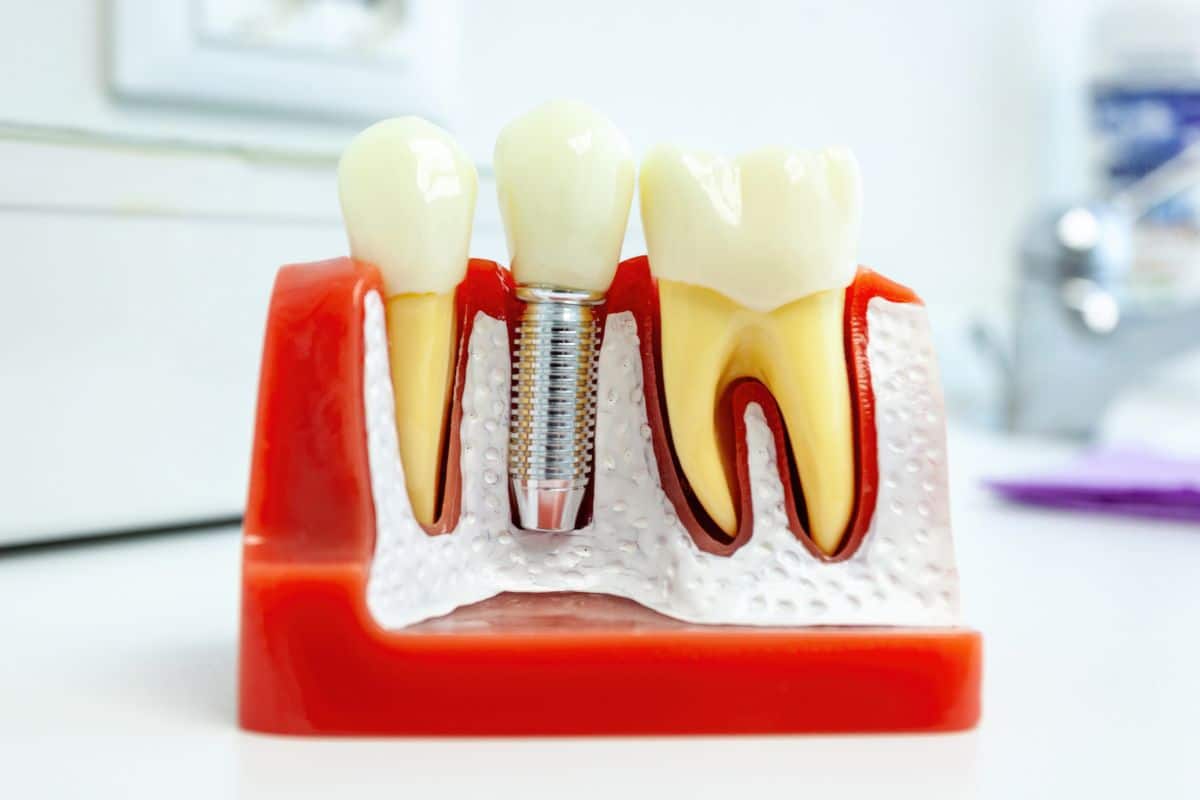
The implant itself is a small titanium post that is surgically placed into the jawbone, where the root of the missing tooth once was. Over time, the bone fuses with the implant in a process known as osseointegration, which helps anchor the implant securely in place.
3. Restoration
After the implant has fully integrated with the bone, a crown, bridge, or denture is placed on top, restoring both the function and aesthetics of the missing tooth or teeth.
Types of Dental Implants
There are several types of implants, each designed to address different levels of tooth loss:
1. Single Implants
Single implants are ideal for replacing one missing tooth. This option involves placing a single implant in the jawbone, with a crown attached to restore the tooth. A single implant is a reliable solution for individuals with one or two missing teeth, helping to prevent bone loss in the area of the missing tooth.
2. Multiple Implants
Multiple implants may be necessary for individuals who are missing several teeth. Depending on the specific needs of the patient, these implants can support a bridge or individual crowns. Multiple implants help restore functionality and appearance while preserving the jawbone.
3. Full-Mouth Implants
Full-mouth implants are a solution for patients who have lost all or most of their teeth. In this procedure, a series of implants is placed to support a full set of fixed or removable teeth. Full-mouth implants are ideal for individuals with significant tooth loss who wish to restore their smile and facial structure.
4. All-on-4 Implants
The All-on-4 technique involves placing four implants in the jaw to support a full set of replacement teeth. This option is often recommended for patients with severe tooth loss or weakened bone. The All-on-4 method can restore function and appearance, providing a stable and comfortable solution for those seeking a full-mouth restoration.
Benefits of Dental Implants
The benefits of dental implants go beyond simply restoring a smile. Here are some of the most significant advantages:
1. Prevention of Jawbone Loss
As mentioned earlier, dental posts provide essential stimulation to the jawbone, helping to maintain its density and strength. This is crucial for preventing further bone resorption and preserving the natural contours of the face.
2. Restoration of Facial Aesthetics
Tooth loss can cause a sagging facial appearance due to the loss of bone structure. Implants help restore the natural shape of the face by supporting the bone, preventing the sunken look that often accompanies missing teeth.
3. Improved Oral Function
They restore the ability to chew, speak, and smile with confidence. Unlike dentures, which may slip or cause discomfort, implants are fixed in place and function just like natural teeth.
4. Long-Term Durability
Dental implants are designed to last for many years, with proper care. Unlike bridges or dentures, which may need to be replaced over time, implants offer a permanent solution for tooth loss.
5. Improved Confidence
With restoring your smile and facial structure, titanium posts can significantly boost your self-esteem and confidence, allowing you to smile, eat, and speak without concern.
Post-Procedure Care for Maintaining Optimal Jawbone Health
After receiving dental implants, it’s essential to follow post-operative care instructions to ensure the right outcome. Proper care after implant placement helps with the healing process and supports long-term jawbone health and the stability of your implants.
1. Follow Your Dentist’s Instructions
After the implant procedure, your implant dentist will provide specific care instructions, including avoiding hard foods, not smoking, and limiting strenuous physical activities for a certain period. These steps help ensure that the implant integrates properly with the jawbone.
2. Good Oral Hygiene
Maintaining excellent oral hygiene is essential for the longevity of your implants and for preventing infection. Brush your teeth twice daily and floss daily to keep the implant area clean. Your dentist may also recommend a special mouth rinse to help prevent infection around the implant.
3. Regular Check-ups
It’s essential to schedule regular follow-up visits with your dentist to monitor the condition of your implants and overall oral health. These visits ensure the implant is securely in place and allow your dentist in San Diego to detect any potential issues before they become significant problems.
4. Healthy Diet and Lifestyle
A healthy diet rich in calcium and vitamin D will help support jawbone health. Avoid smoking, as it can impair the healing process and increase the risk of implant failure. Stay hydrated and maintain a balanced lifestyle to promote oral and bone health.
Who Are the Suitable Candidates for Dental Implants?
They are suitable for most individuals in good overall health who have sufficient bone in the jaw to support the implant. Ideal candidates for implants include:
- People with missing teeth due to injury, decay, or disease.
- Individuals with healthy gums that are free from periodontal disease.
- Non-smokers or those who can commit to quitting smoking during the healing process.
- People with adequate bone density in the jaw, or those willing to undergo bone grafting if necessary.
If you’re considering dental implants, it’s essential to consult with a dentist to determine if they’re the right solution for you.
Restore Your Smile and Facial Shape with Implants
Dental implants are not only a solution for missing teeth but a crucial element in maintaining jawbone health and restoring facial shape. Whether you’re looking for a single implant, multiple implants, or a full-mouth restoration, implants can provide a durable, effective, and aesthetically pleasing solution.
If you’re interested in learning more about how artificial tooth roots can benefit you, schedule a consultation with Coastal Dental Arts today. Our team is dedicated to helping you restore your smile and preserve your jawbone health with implants that fit your needs.
FAQs About Dental Implants
How long do dental implants last?
Dental implants can last 20 years or more with proper care and maintenance. Regular check-ups and good oral hygiene are essential for ensuring their longevity.
Are dental implants painful?
The implant procedure is typically performed under local anesthesia so that you won’t feel pain. Afterward, some discomfort and swelling are normal but manageable with pain relief prescribed by your dentist.
Can dental implants be placed immediately after tooth extraction?
In many cases, dental implants can be placed immediately after a tooth extraction, depending on the condition of the jawbone. This is known as immediate implant placement.
How much time does the implant process take?
The entire dental implant process typically takes a few months, as it involves the healing of the bone around the implant (osseointegration). However, the procedure itself is completed in stages.
Can anyone get dental implants?
While most people are good candidates for dental implants, individuals with significant bone loss or underlying health conditions may require additional treatments, such as bone grafting or medical clearance, to proceed with implants.