1230 Columbia St. Suite 870 San Diego, CA 92101

By Coastal Dental Arts | March 11, 2025
Very rare, but dental implants can fail.
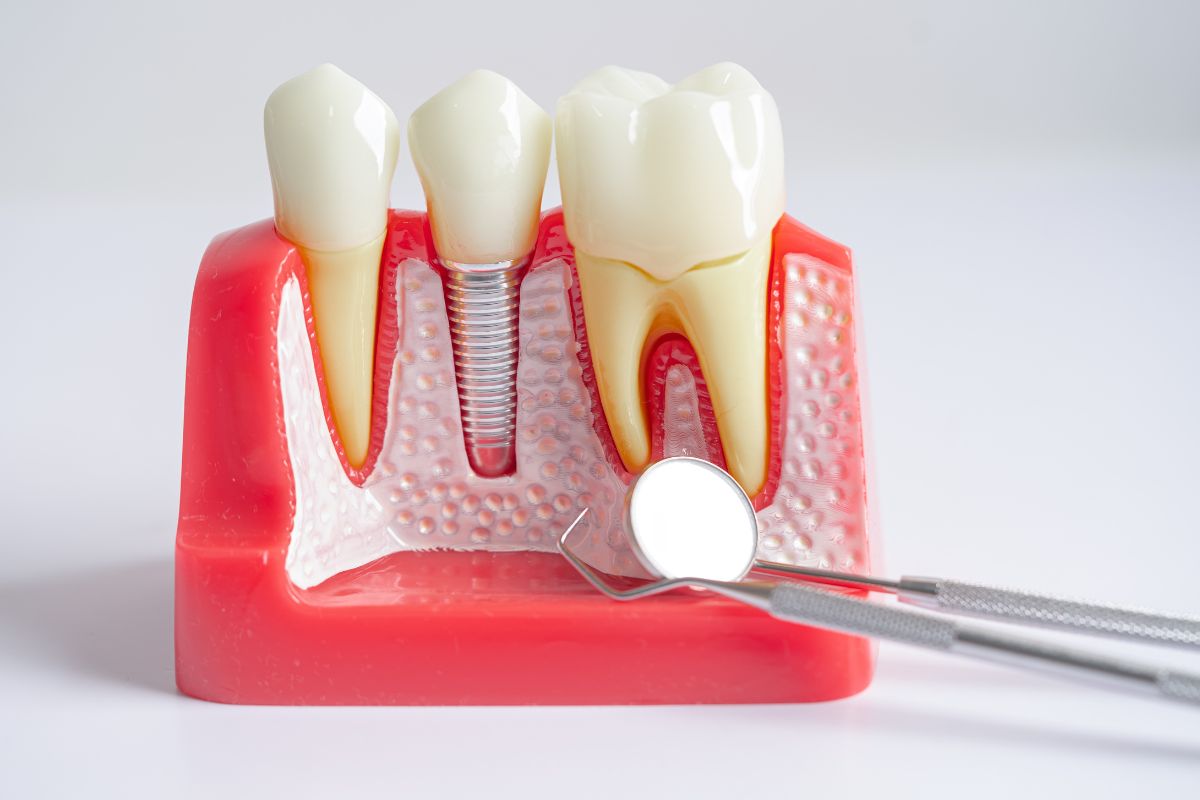
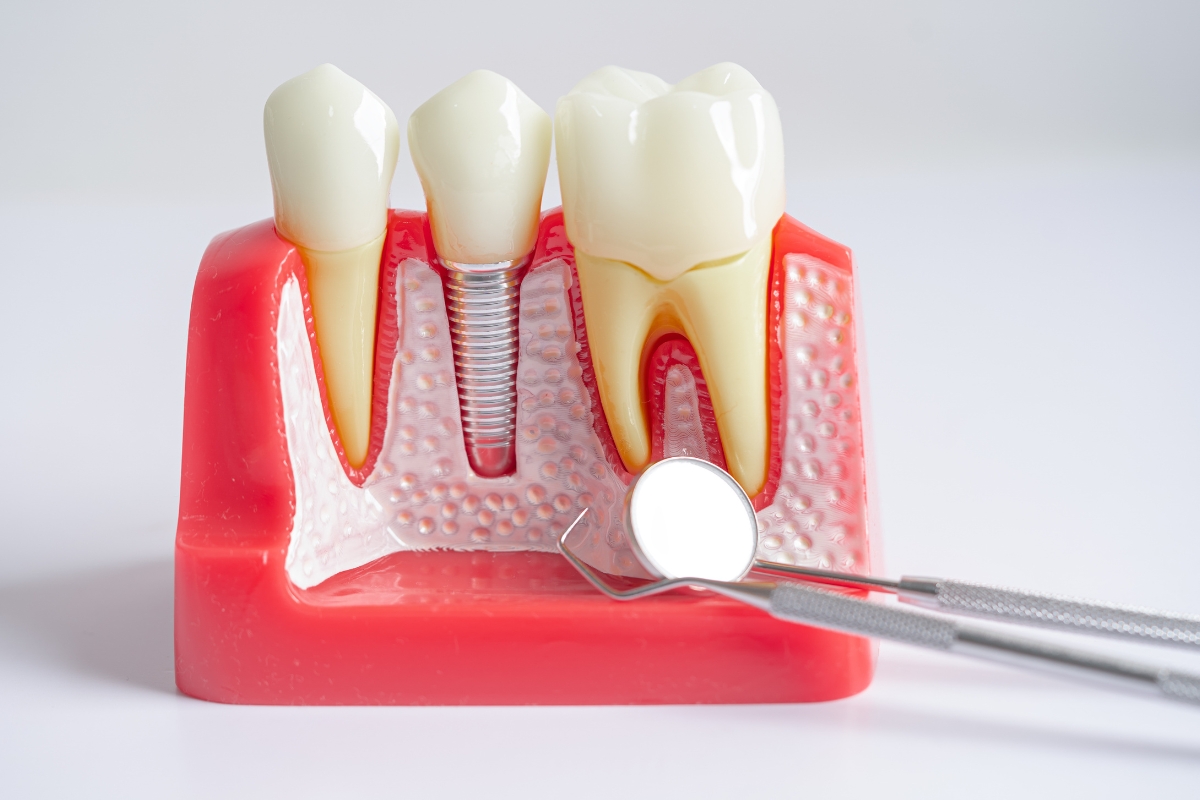
While they are designed to last a lifetime, there are instances where they may not function as intended. Damage or injury raises concerns about their longevity, significantly affecting your dental health. It can be disheartening since you want a durable, long-term solution. Although such cases are uncommon, if it happens, the first step is to remain calm. Below is everything you should understand about dental implants in San Diego that did not work and the restoration options available.
Common Causes Of Dental Implant Failure
While dental restorations generally have a high success rate, typically between 90-96%, they can still fail. Many things influence how well a dental implant works, but some habits and health issues can lead to implants becoming loose. Gum disease and teeth grinding can harm a healing implant, while conditions like osteoporosis, which weaken bones, make it harder for the implant to stay put. Cancer treatments, particularly radiation, can also interfere with bone healing, potentially delaying or preventing implant success. Certain medications also pose a risk. Additionally, smoking can increase the likelihood of implant failure, depending on the implant’s location. Here are some usual causes:
Osseointegration Problems
The process through which the implant bonds with the jawbone is known as osseointegration. If this process is incomplete, the implant could loosen or fail. Factors such as smoking, low bone density, and uncontrolled diabetes can hinder proper healing.
Peri-Implantitis
Bacterial infections near the implant site can cause inflammation and bone loss, leading to potential implant failure. Poor oral hygiene and existing gum disease heighten the risk of peri-implantitis.
Insufficient Bone Density
A strong jawbone is essential for supporting the restoration. If a patient lacks adequate bone, the treatment may not integrate properly. Sometimes, bone grafting can resolve this issue before the implant is placed.
Improper Placement
When San Diego implants are incorrectly positioned, they struggle to withstand chewing forces, leading to pain and instability. Choosing a reputable dental provider significantly reduces this risk.
Trauma Or Excessive Force
Too much pressure on the implant can cause loosening and rising issues like tooth grinding (bruxism), excessive biting, or jaw injuries.
What Should You Do If Something Goes Wrong?
If you notice your dental implants are loosening, there are several steps you can take to reduce complications:
Recognize The Symptoms
Implant failure will present sure signs. The sooner you detect these symptoms, the better. They are:
- Persistent pain and discomfort
- Inflammation and redness
- Instability or movement of the implant
- Challenges with biting and chewing
Schedule An Appointment Right Away
Prompt action with dental implants in San Diego can avert additional issues and enhance the likelihood of saving the implant.
Treatment Alternatives
Modern dentistry offers various advanced methods to address tooth issues, specifically those involving prosthetic teeth. Bone grafting and replacement are the most common procedures employed in such situations.
We Can Assist You With Advanced Treatments
At Coastal Dental Arts, our skilled dentists are experienced in performing implant surgery. If you have concerns about the procedure’s success, you can rely on us. Over time, missing teeth can lead to various oral problems, and ignoring the restoration process will only make things worse.
Do not worry about the possibility of failure because the odds are very low.
We provide emergency dental services at any time. If you notice any symptoms, do not hesitate to call us. Schedule an appointment with us to rejuvenate your smile with confidence.
Frequently Asked Questions (FAQs)
- Q: Is it possible to stop dental implants from failing?
- A: Yes, implant failure can be avoided by adhering to your dentist’s advice regarding maintaining your restorations. You should care for your implants just like your natural teeth.
- A: Yes, implant failure can be avoided by adhering to your dentist’s advice regarding maintaining your restorations. You should care for your implants just like your natural teeth.
- Q: What is the primary cause of restoration failure?
- A: Each situation varies, and multiple factors could lead to an implant’s failure. However, one prevalent reason for this is a bacterial infection.
- A: Each situation varies, and multiple factors could lead to an implant’s failure. However, one prevalent reason for this is a bacterial infection.
- Q: Are there alternatives if a dental implant fails?
- A: This depends on the severity of the dental condition. However, if the failure is detected early, specific treatments can promote healing, or you might be able to replace the restoration.
- A: This depends on the severity of the dental condition. However, if the failure is detected early, specific treatments can promote healing, or you might be able to replace the restoration.
- Q: When are implants at the highest risk for failure?
- A: Complications generally occur soon after the surgery is performed. The likelihood of issues arising is typically greatest within the first 3 to 4 months.