1230 Columbia St. Suite 870 San Diego, CA 92101

By Coastal Dental Arts | February 11, 2025
Dental implants are a great solution for missing teeth, but some people report an unpleasant taste after the procedure. Some patients notice an unpleasant taste in their mouths after receiving dental implants. This can be both uncomfortable and worrisome, prompting them to question the cause of this issue. In this blog, we’ll discuss whether dental implants can lead to a bad taste, possible reasons for it, and how to manage the problem. If you are experiencing this issue, don’t worry. There are multiple reasons why this could be happening, and most have simple solutions. Let’s explore the causes and how to prevent them.
Understanding Taste Perception
Taste plays a vital role in how we enjoy food and drinks. It helps us appreciate different flavors and detect potential hazards like spoiled or harmful substances. Taste buds, located on the tongue’s surface, are responsible for identifying flavors and sending signals to the brain. These buds contain specialized cells that recognize sweet, sour, salty, bitter, and umami tastes.
When we eat, taste molecules interact with receptors on the taste buds, triggering signals that travel to the brain, where they are processed into distinct taste sensations. Any disruption in taste bud function can lead to changes in how we perceive flavors.
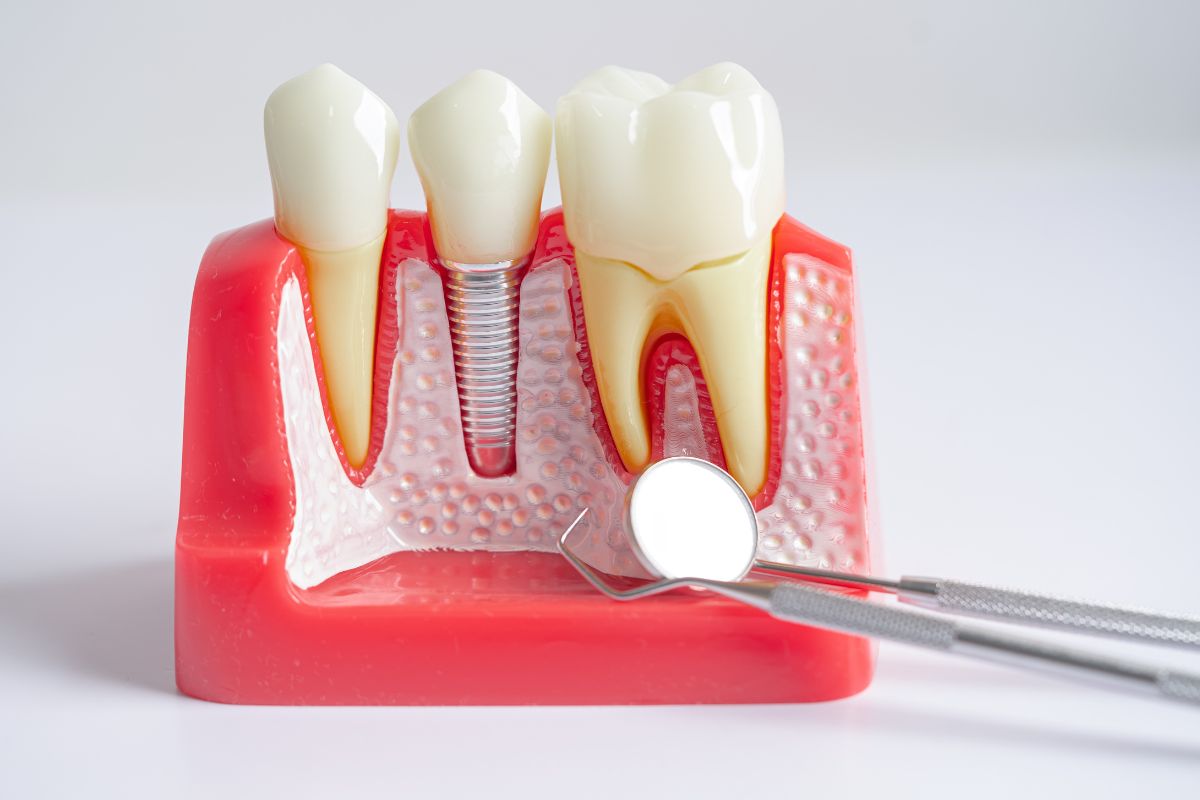
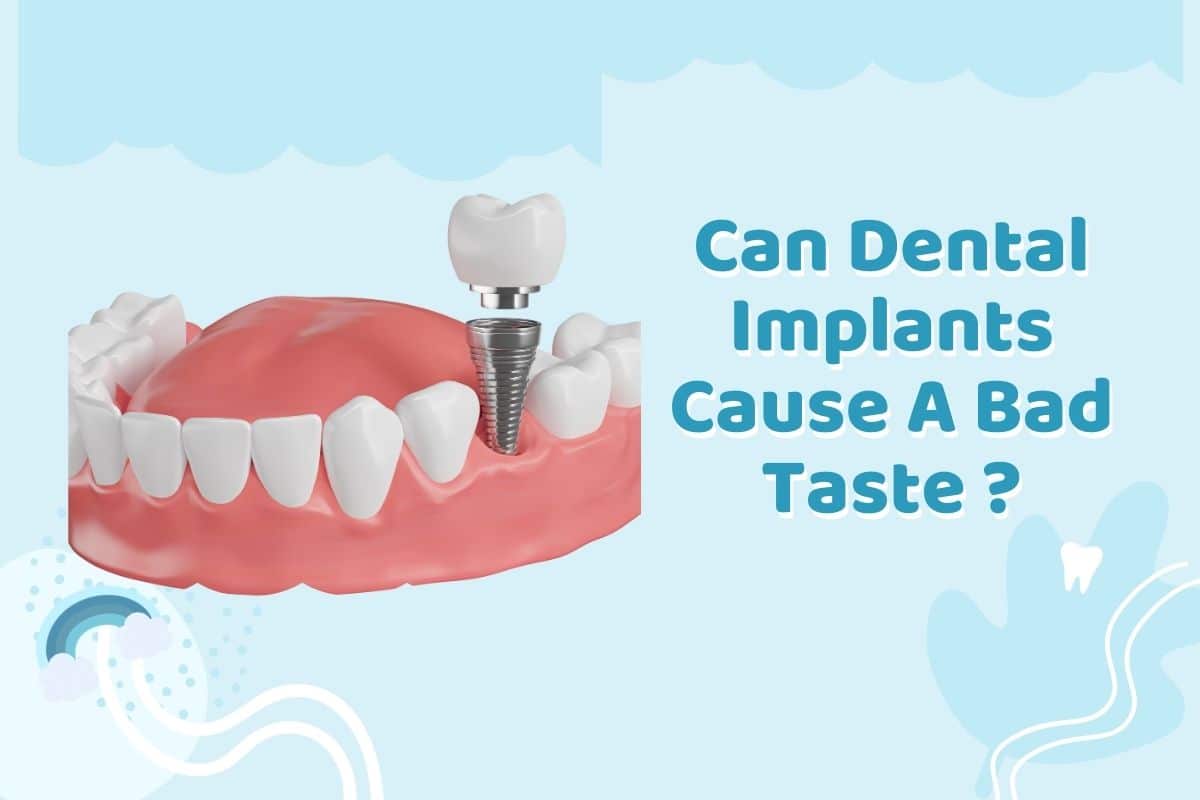
Summary : Dental implants generally do not lead to taste loss. The procedure involves inserting an artificial tooth root into the jawbone to support a replacement tooth or bridge. Since implants do not interfere with taste buds or the nerves responsible for taste perception, they typically have no impact on taste. However, in rare cases, if the implant placement affects nearby nerves or tissues, it may cause temporary or permanent taste changes. If you notice any unusual symptoms after getting dental implants, it’s best to consult a dental professional.
Possible Causes of a Bad Taste After Dental Implants
In Coastal Dental Arts, our dental team have encountered patients who have reported such incidents where they have complained about change in taste after having dental implants. Let us understand the possible cause the following sections –
- Infection at the Implant Site
An infection can develop if bacteria accumulate around the implant. This often leads to a metallic or foul taste. Symptoms may include swelling, redness, or discomfort. Regular oral hygiene and professional cleanings help prevent infections. - Poor Oral Hygiene
If plaque and bacteria build up around your implant, they can create an unpleasant taste. Brushing twice daily, flossing, and using an antibacterial mouthwash reduce this risk. - Food Particles Stuck Around the Implant
Food debris trapped near the implant can break down and cause a bad taste. Proper cleaning with interdental brushes or water flossers can eliminate this problem. - Implant Material Sensitivity
Some individuals may have slight sensitivity to titanium or zirconia implants. This can alter taste perception, though it’s rare. If the issue persists, consult your dentist about alternative materials. - Dry Mouth (Xerostomia)
Saliva plays a key role in washing away bacteria. If your mouth is dry due to medications or dehydration, you might experience a persistent bad taste. Staying hydrated and using saliva-stimulating products can help.
How to Prevent and Fix the Issue
If you have been facing this strange issue after getting dental implants, then you are not alone. Our dentist can help you with some essential tips as follows –
- Maintain Proper Oral Hygiene
Regular brushing, flossing, and rinsing with antibacterial mouthwash keep bacteria at bay. A water flosser can reach areas around implants effectively. - Schedule Regular Dental Check-Ups
Routine visits to your dentist help detect any early signs of infection or implant issues. Early intervention prevents bigger problems. - Stay Hydrated
Drinking enough water throughout the day ensures proper saliva flow. Avoid excessive caffeine and alcohol, as they contribute to dry mouth. - Avoid Certain Foods
Sticky, sugary, and acidic foods can lead to bacterial buildup and a bad taste. Opt for a balanced diet rich in fresh fruits and vegetables. - Consider Using a Tongue Scraper
Bacteria can accumulate on the tongue, contributing to a persistent bad taste. A tongue scraper removes debris effectively.
When to See a Dentist
If the bad taste persists despite good hygiene, it’s time to visit a professional. A dentist can check for infections, improper implant placement, or other underlying causes. Addressing the issue early prevents further complications. Choosing an experienced dentist like Dr David Chotiner , ensures a smooth dental implant experience. If you need a consultation, our expert team provides personalized care and solutions.
Pro Tip : To manage recovery, patients can use over-the-counter pain relievers and apply packs for swelling. It is recommended to use gauze or a moistened tea bag for bleeding. Patients should also maintain a soft diet and practice oral hygiene with a saltwater rinse. As post-op tips on dental implants, you are requested to avoid smoking or any strenuous activity for the first 48 hours.
Although dental implants are a dependable solution for missing teeth, they may sometimes cause an unpleasant taste due to infection, poor oral hygiene, or other factors. Maintaining proper oral care and scheduling regular dental check-ups can help you enjoy the benefits of implants without discomfort. If you notice any issues, we suggest to consult your dentist to keep your smile fresh and healthy.
Dental implants significantly enhance quality of life by restoring your ability to eat, speak, and smile with confidence. Being aware of potential concerns and their solutions ensures you get the most out of your investment in oral health. Residents of San Diego and nearby areas can visit our dental office and take a consultation.
Schedule an appointment today to keep your smile healthy and fresh!