
Dental implants are an excellent solution for replacing missing teeth. But one common question arises: How long do dental implants last? Let’s explore this question and discuss the factors that influence their longevity.
What Are Dental Implants?
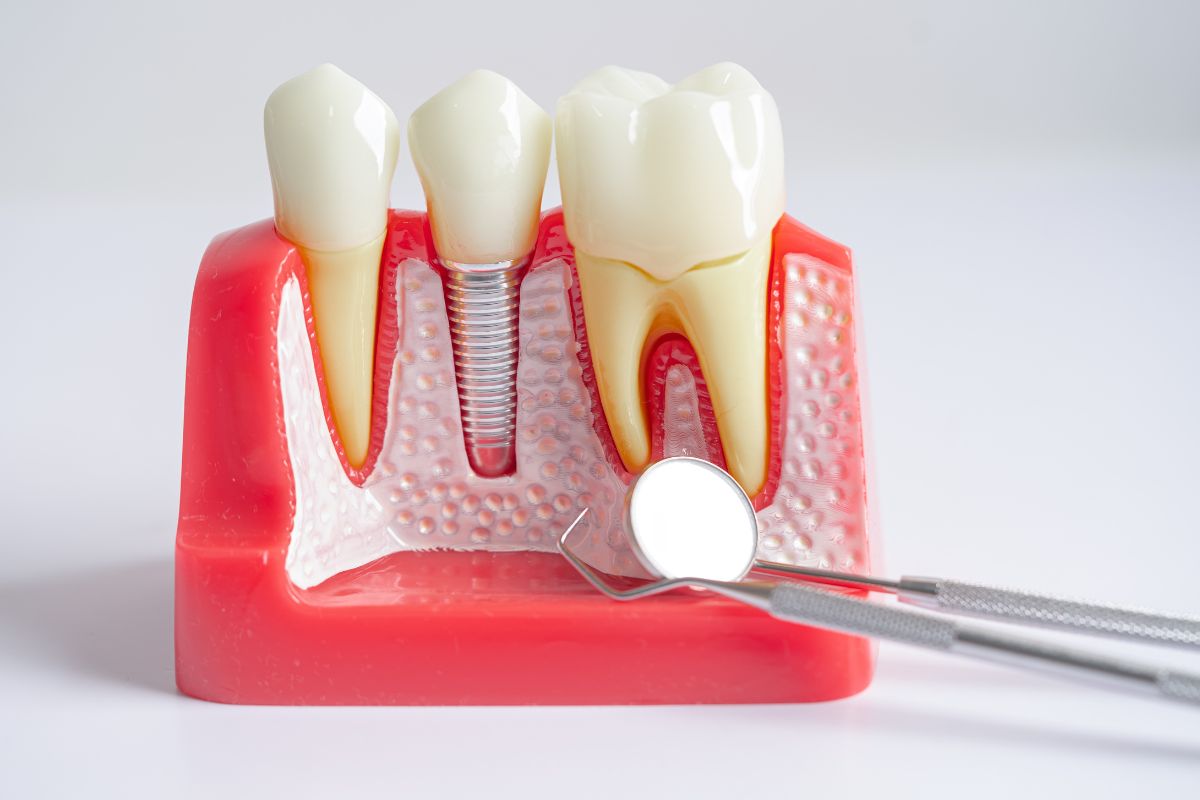
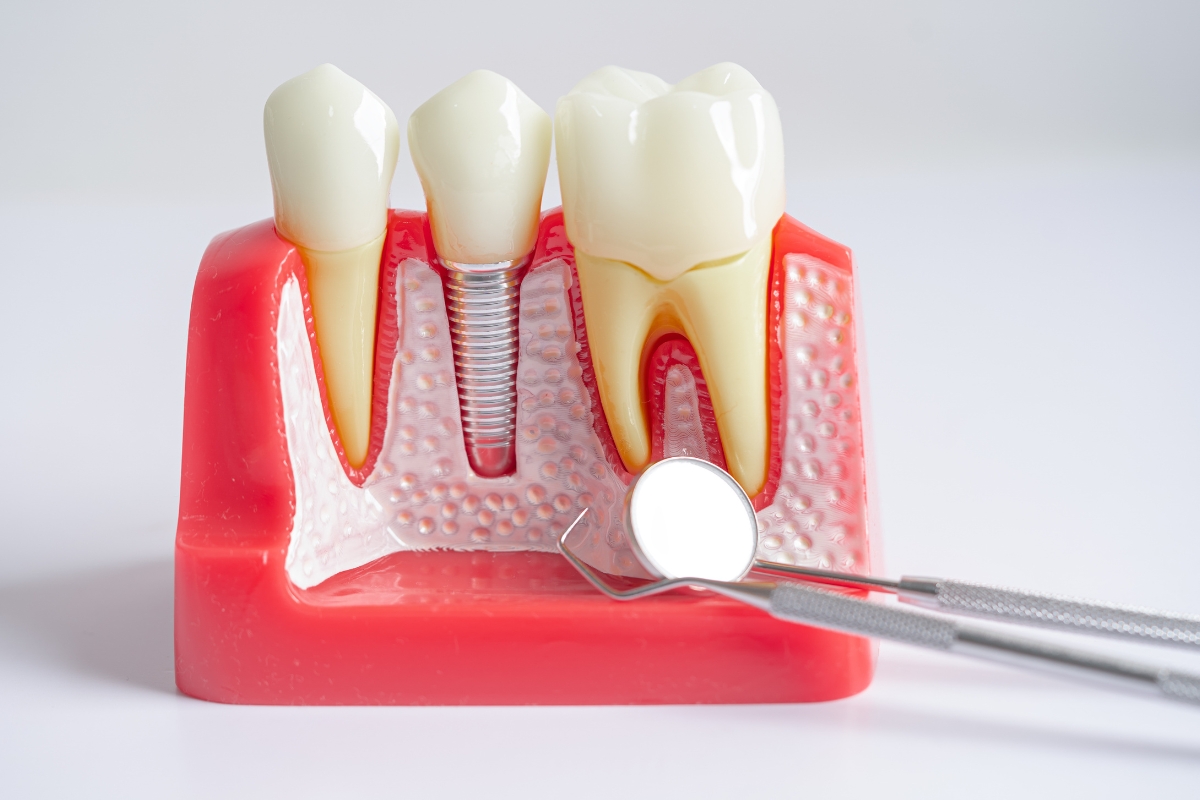
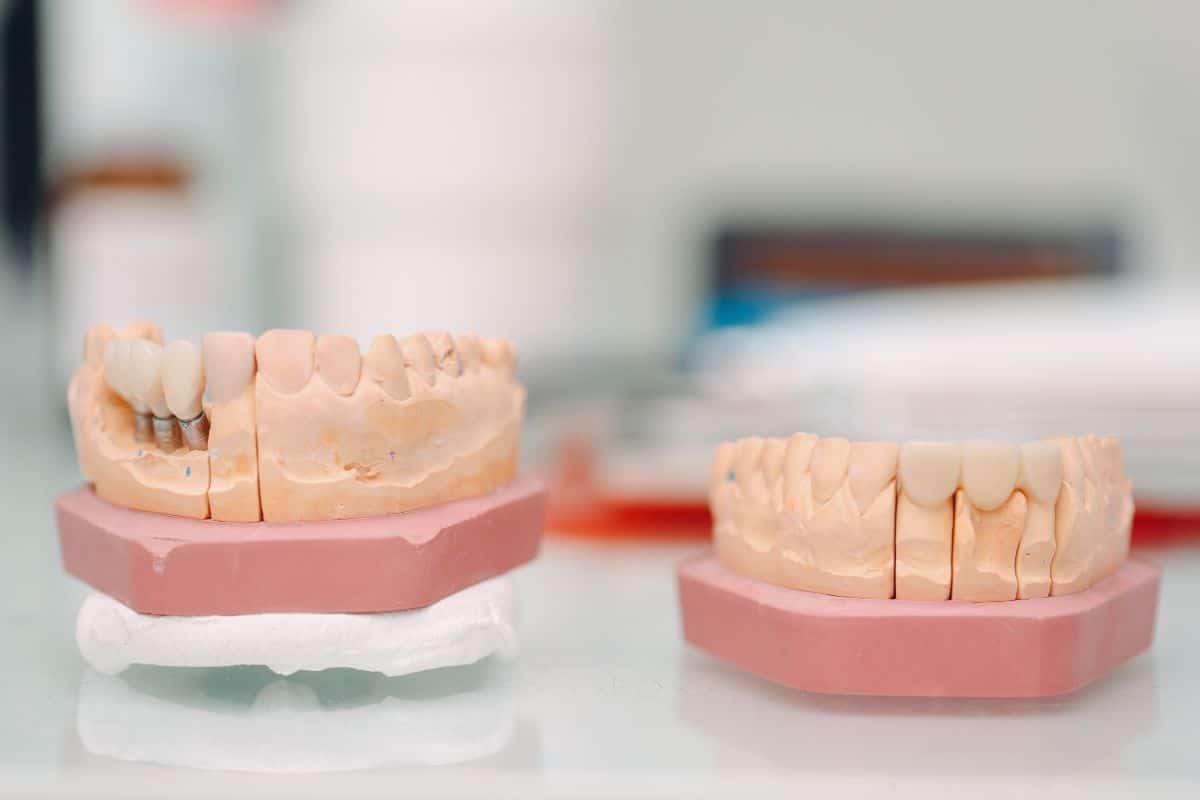
Dental implants are titanium posts surgically inserted into the jawbone. They act as a replacement for the root of a missing tooth. Over time, the bone fuses with the implant, creating a strong foundation for a crown, bridge, or denture.
Average Lifespan of Dental Implants
On average, dental implants can last anywhere from 25 years to a lifetime with proper care. However, this lifespan can vary depending on several factors, including your oral health, lifestyle habits, and the skill of your dentist.
Factors That Affect the Longevity of Dental Implants
Several factors contribute to how long dental implants last. These include:
- Oral Hygiene: Keeping your mouth clean is crucial. Plaque buildup around the implant can lead to infection or gum disease, shortening its lifespan.
- Jawbone Health: A strong, healthy jawbone is essential for implant success. If the bone deteriorates, it may compromise the implant.
- Lifestyle Habits: Smoking or excessive alcohol consumption can affect your implant’s longevity. These habits slow down the healing process and increase the risk of complications.
- Implant Placement: The skill of your dentist plays a key role. A well-placed implant has a better chance of lasting longer.
How to Care for Your Dental Implants
Proper care can significantly extend the life of your dental implants. Here are some tips to keep them in great shape:
- Brush and floss daily to prevent plaque buildup around your implants.
- Visit your dentist regularly for check-ups and cleanings to ensure your implants are in good condition.
- Avoid chewing hard foods or grinding your teeth, which can put excessive pressure on the implants.
- Quit smoking to promote healing and reduce the risk of infection.
Common Problems That May Affect Implants
Though dental implants are durable, there are potential issues to be aware of:
- Implant Failure: This can occur if the implant doesn’t fuse with the jawbone properly.
- Peri-implantitis: This is a form of gum disease that can affect the implant site, causing bone loss and infection.
- Implant Fracture: While rare, implants can break if they’re subjected to excessive force.
Can Dental Implants Be Replaced?
In rare cases, a dental implant may need to be replaced if it fails or if the surrounding bone is compromised. However, with proper care, implants can last for decades.
The Benefits of Dental Implants
Dental implants offer many advantages. They provide a permanent solution for missing teeth and look and feel just like natural teeth. They also help preserve the jawbone and prevent further tooth loss.
Ready to Restore Your Smile?
If you’re considering dental implants in San Diego, it’s essential to consult with a skilled professional. Schedule an appointment today to discuss how dental implants can enhance your smile and restore your confidence!
Contact us today to book a consultation and find out how dental implants can transform your smile!